Why Custom Cycling Apparel Orders Get Delayed and How Professional Manufacturers Prevent It
For many cycling brands, clubs, and team buyers, creating custom cycling apparel is often not the most difficult part of the process. The real challenge is ensuring that the entire order moves forward smoothly and consistently from design confirmation to sampling, bulk production, and final delivery.
Especially during peak cycling seasons and race preparation periods, many buyers realize that production delays are not simply caused by manufacturing speed. In most cases, delays happen because different stages of the order process fail to stay aligned. Even experienced buyers may encounter unexpected timeline extensions due to artwork revisions, fabric preparation issues, or fit adjustments during sampling.
Compared with regular sportswear, cycling apparel requires a much higher level of control in terms of functionality, fit, and construction details. Whether it is long-distance cycling apparel, custom team kits, or high-performance race jerseys, the production process involves more technical coordination than many buyers initially expect. This is why more cycling brands are beginning to evaluate manufacturers based not only on price or MOQ, but also on production management stability.
Many production problems actually begin long before bulk manufacturing starts. For custom cycling jersey projects and OEM cycling apparel orders, the design confirmation stage often includes multiple rounds of revisions. Logo placement, color adjustments, sizing updates, and graphic refinements may appear minor individually, but together they can significantly affect production scheduling.
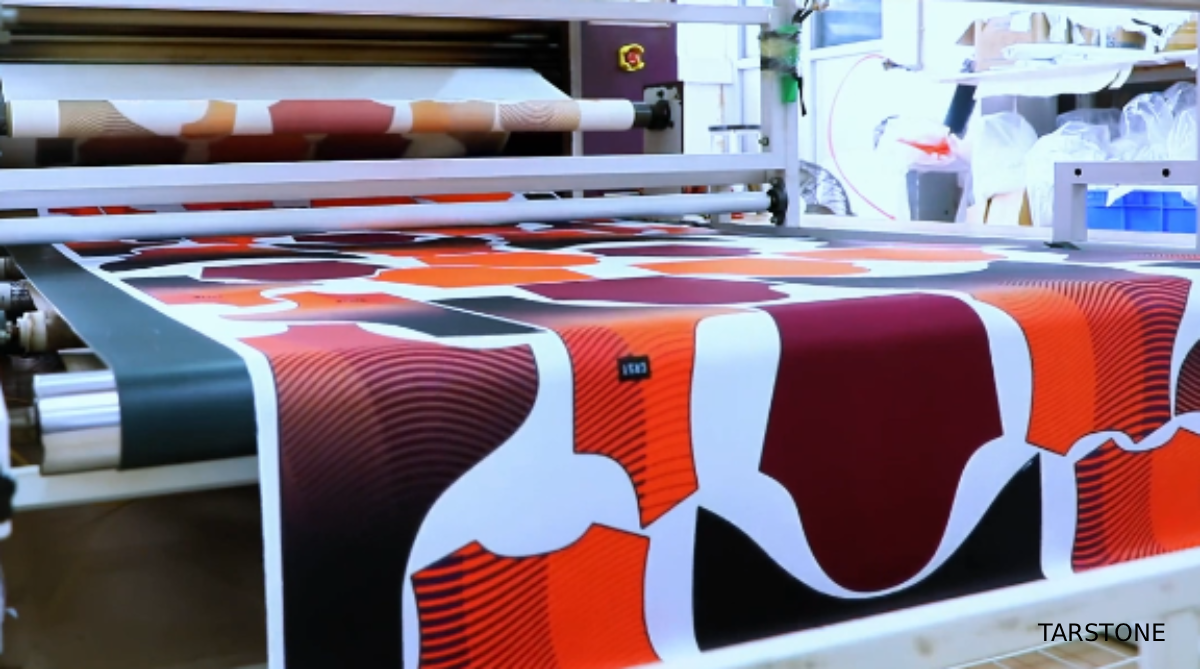
For sublimation cycling jerseys, complete artwork verification is usually required before printing begins. If different file versions contain inconsistencies, manufacturers often need additional time for layout inspection and color matching. Many buyers underestimate how much communication is involved during this stage, which eventually delays both sampling and bulk production.
Fabric preparation is another major factor affecting cycling apparel lead times. High-performance cycling apparel typically uses breathable stretch fabrics, lightweight mesh panels, and moisture management materials designed specifically for cycling conditions. However, not all fabrics are equally available.
Some performance fabrics can be sourced directly from stock, while custom dyed materials or specialized functional fabrics often require additional preparation time. For cycling apparel manufacturers, stable fabric sourcing is often more important than simply accelerating sewing speed. Once material availability becomes unstable, even well-planned production schedules may be interrupted.
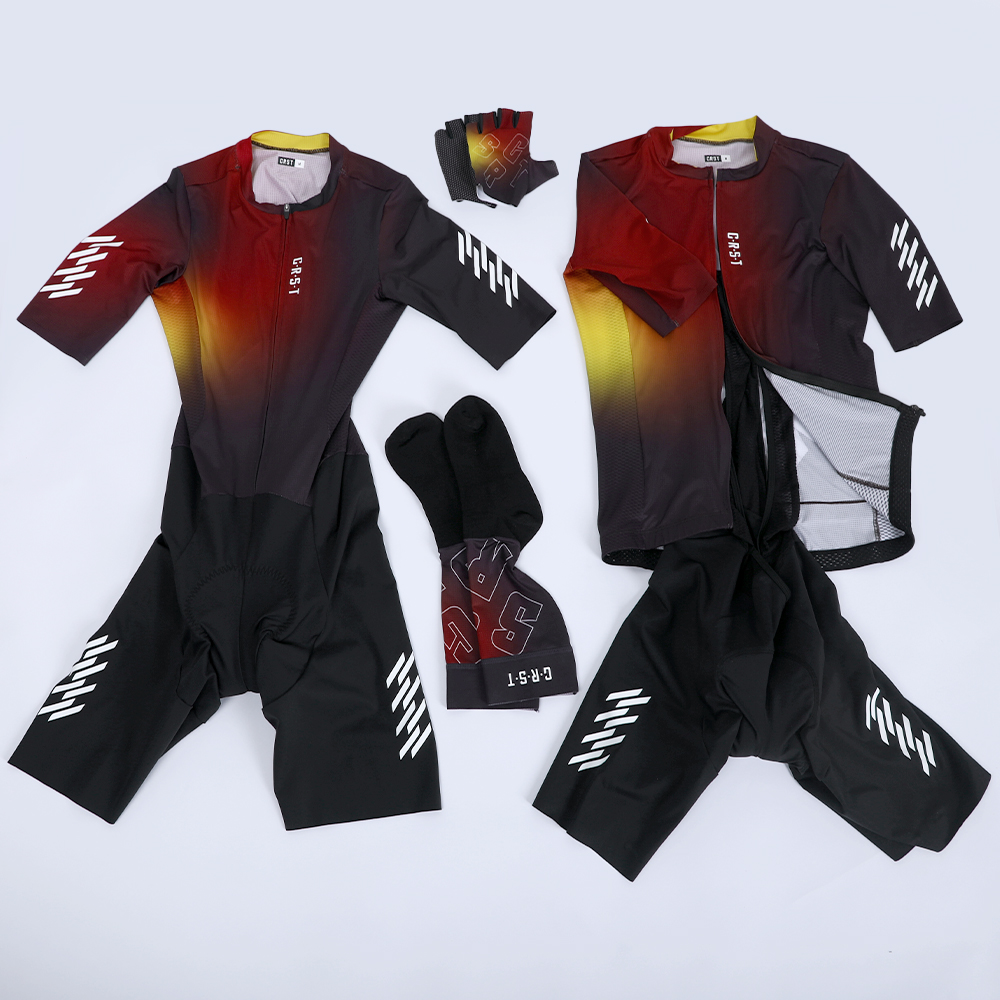
Sampling is also one of the most underestimated stages in custom cycling apparel production. Many buyers initially view samples as simple appearance confirmations, but professional cycling apparel requires fit validation through actual riding conditions. Aero race jerseys, compression bib shorts, and long-distance cycling kits all demand more precise adjustments in panel structure, sleeve fit, chamois positioning, and overall riding comfort.
As a result, many cycling apparel orders go through repeated fit refinements during sampling. Some brands adjust sizing based on rider feedback, while others optimize compression balance or riding posture support before approving bulk production. Although this process extends the early development stage, it greatly improves consistency in final production.
Seasonality also creates significant pressure within the cycling apparel industry. Before spring and summer riding seasons, large numbers of cycling teams, clubs, distributors, and brands typically place production orders at the same time. During these periods, printing, cutting, and sewing capacity can become heavily congested.
In many situations, delays occur not because factories lack manufacturing capability, but because too many projects enter production simultaneously. For experienced cycling apparel manufacturers, managing production coordination efficiently is often more important than simply expanding factory scale.
Professional cycling apparel factories usually reduce production risks by implementing more standardized order confirmation systems before manufacturing begins. Artwork approval, sizing specifications, fabric references, and production details are typically finalized early in the workflow to reduce unnecessary revisions later.
Compared with regular garment manufacturing, cycling apparel production also depends heavily on quality control stability. Fabric inspection, print consistency checks, stitching inspection, zipper durability testing, and sizing tolerance verification all influence the final product quality. Especially for bulk cycling apparel orders, unstable quality management can create long-term problems even if delivery deadlines are technically met.
For many established cycling brands, manufacturing reliability has become more important than simply achieving the lowest production cost. A cycling apparel manufacturer capable of maintaining stable quality, organized production scheduling, and efficient communication often provides greater long-term value than suppliers focused only on pricing competition.
As the cycling apparel industry continues moving toward higher performance and more technical product development, buyers are placing increasing attention on factory management capabilities. Stable workflows, mature supply chain coordination, and professional quality control systems are becoming essential factors when selecting long-term cycling apparel manufacturing partners.
We support teams and brands in planning MOQ, optimizing order quantity, and ensuring consistent production from design to delivery.
Contact us to discuss your project and get a practical MOQ solution tailored to your needs.
Email: amytong@tarstone.com
WhatsApp: +86 150 5417 8785
Website: www.tarstone.com
Why Fit Matters in High Performance Cycling Apparel
What Is a Realistic MOQ for Custom Cycling Apparel Orders