Minimum Order Quantity (MOQ) for Cycling Apparel: Cost and Planning Guide
When planning custom cycling apparel, one of the first questions teams and brands ask is about minimum order quantity (MOQ).
MOQ refers to the minimum number of units required to start production, but in practice, it is much more than just a number. It is closely tied to how apparel is manufactured, including fabric sourcing, printing setup, and production efficiency.
This is why MOQ directly affects pricing. Lower quantities increase unit cost, while well-planned orders allow production processes to run more efficiently, reducing overall cost.
For teams and organizations, the key is not just understanding MOQ, but knowing how to plan orders around it to balance cost, usability, and long-term supply.
What is MOQ and Why Does it Exist?
MOQ exists because custom cycling apparel production involves multiple fixed processes that do not scale down efficiently for very small quantities.
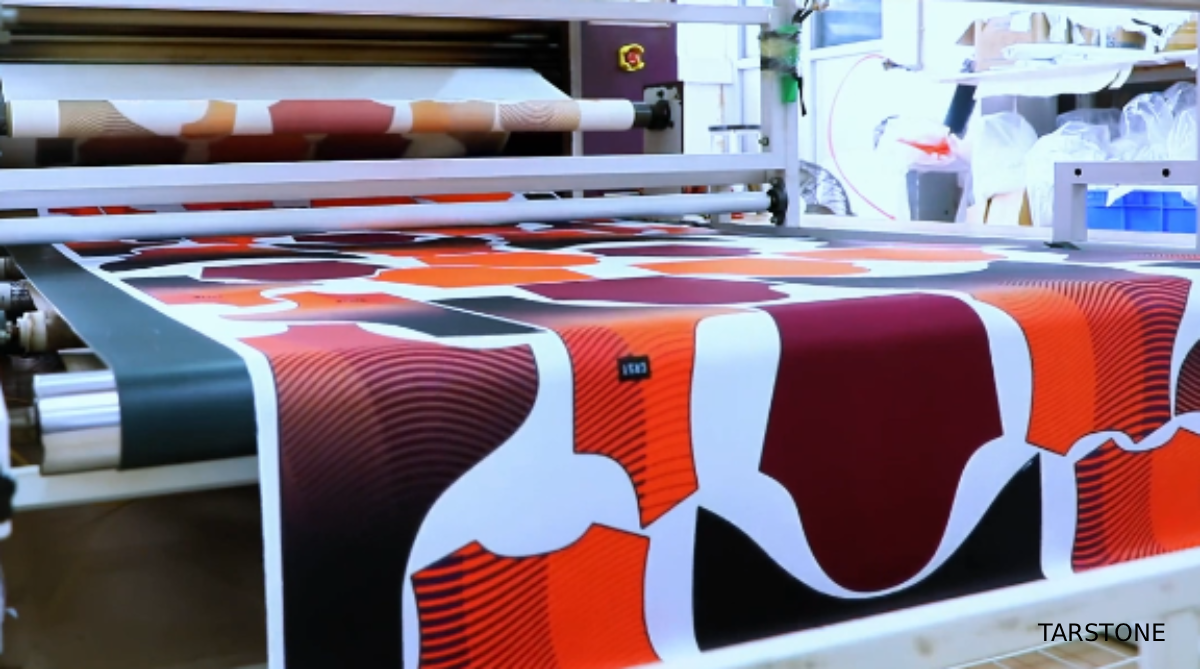
These include fabric preparation, sublimation setup, pattern cutting, and production line allocation. Even before the first garment is produced, these steps require time and resources.
For manufacturers, MOQ ensures that production remains efficient and sustainable. For customers, understanding this helps set realistic expectations when planning orders.
Why MOQ has a Direct Impact on Pricing
MOQ plays a critical role in determining the cost per unit.
Many production costs are fixed regardless of quantity. When the order size is small, these costs are distributed across fewer units, resulting in a higher price per piece. As order quantity increases, the same fixed costs are spread more efficiently, lowering the unit cost.
This is why bulk cycling apparel orders are generally more cost-effective than small orders.
MOQ Differences Across Cycling Apparel Products
MOQ is not the same for every product.
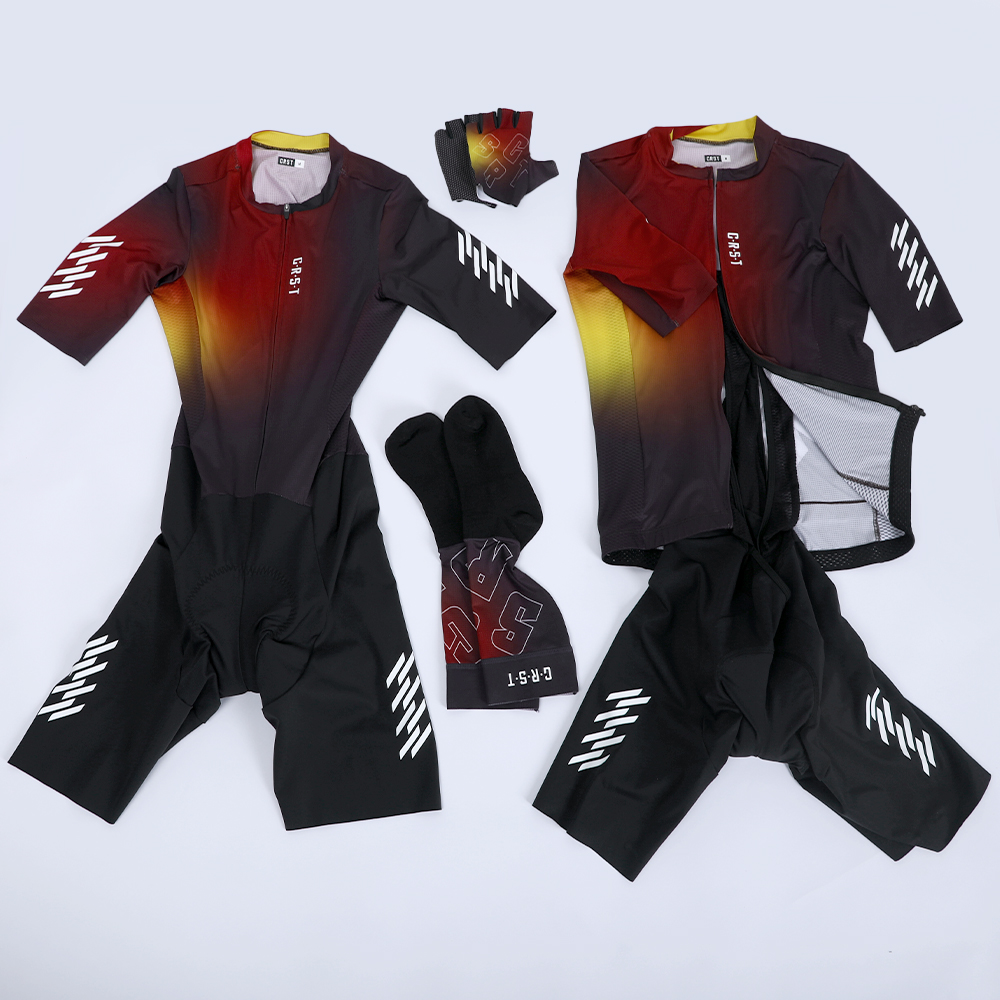
Cycling jerseys typically have lower MOQ requirements due to simpler construction. Bib shorts, on the other hand, often require higher MOQ because of padding, stitching complexity, and additional materials. Skinsuits and highly technical garments may require even larger quantities.
Understanding these differences allows teams to plan more effectively instead of applying a single quantity standard to all products.
Can You Order Below MOQ?
In some cases, customers ask whether it is possible to place orders below MOQ. While this may be technically possible, it usually comes with significant trade-offs. Lower quantities often result in higher unit prices, limited material options, or reduced production priority. In some cases, manufacturers may not accept small orders at all.
Instead of trying to bypass MOQ, a more effective approach is to optimize order structure to meet MOQ while maintaining efficiency.
How to Plan MOQ for Teams and Clubs
For teams and clubs, MOQ should be part of a broader planning strategy.
Rather than ordering based only on the number of riders, teams should consider factors such as usage frequency, washing cycles, and seasonal demand. It is often more practical to order multiple sets per rider to ensure usability over time.
Accurate size distribution is also essential to avoid excess inventory or shortages.
MOQ vs Inventory Risk
Balancing MOQ with actual demand is one of the biggest challenges.
Ordering too much can lead to unused inventory and wasted budget. Ordering too little may result in frequent reorders at higher cost.
The goal is to find a balance between production efficiency and real-world usage. This often requires forecasting demand and planning ahead.
MOQ for Different Buyers: Teams vs Brands
Team considerations vary depending on the type of customer. Teams and clubs typically focus on usability and consistency, while brands and OEM buyers prioritize scalability and cost control. Brands may plan larger quantities to achieve better pricing and ensure supply stability.
Understanding your position helps define the most suitable MOQ strategy.
MOQ and Reordering Strategy
MOQ also affects long-term supply.
Without standardized production records and consistent manufacturing processes, reorders may result in variations in color, fit, or quality.
Working with a manufacturer that supports consistent reordering systems helps maintain continuity across different production batches.
How to Optimize MOQ Without Increasing Risk
Instead of trying to reduce MOQ, the focus should be on optimizing it.
Effective approaches include consolidating orders across seasons, standardizing designs for easier reordering, and selecting product combinations that align with production efficiency.
These strategies help reduce cost while maintaining flexibility.
Conclusion: MOQ Is a Planning Tool, Not a Limitation
Minimum order quantity is not simply a requirement set by manufacturers. It is a key factor that influences cost, efficiency, and long-term planning.
By understanding how MOQ works and planning accordingly, teams and brands can make more informed decisions and achieve better results from their cycling apparel orders.
If you are unsure how to balance MOQ, cost and inventory risk for your cycling apparel order, getting the right structure from the beginning can save both time and budget.
We support teams and brands in planning MOQ, optimizing order quantity, and ensuring consistent production from design to delivery.
Contact us to discuss your project and get a practical MOQ solution tailored to your needs.
Email: amytong@tarstone.com
WhatsApp: +86 150 5417 8785
Website: www.tarstone.com
How to Choose a Cycling Apparel Manufacturer in China
What to Wear for Long Distance Cycling