How to Design a Custom Tri Suit for Your Brand
Designing a custom tri suit for your brand is not simply a matter of adding a logo to an existing garment. A tri suit needs to support swimming, cycling, and running while presenting a consistent brand identity. The fit, fabric, chamois, construction, and artwork all need to work together as one product.
For a brand developing a new triathlon apparel collection, the most important decisions usually need to be made before bulk production begins. A clear product concept helps determine the right fit and fabric, while sampling allows those decisions to be tested on an actual garment.
This guide explains the main considerations involved in developing a custom tri suit, from defining the product concept to preparing the approved design for production.
Define the Purpose of Your Tri Suit
The first step is to determine what the tri suit is intended to achieve.
A product designed for long-distance racing may have different requirements from one developed for short-course competition, training, or club use. The expected race conditions, level of performance, storage requirements, and overall positioning of the product can influence many later design decisions.
For example, a performance-focused brand may want a close-fitting suit designed around racing, while a club or team may place greater emphasis on comfort and versatility. A race organizer may also need the garment to accommodate sponsor graphics without compromising the overall design.
Defining this purpose early prevents individual features from being selected without a clear direction. Instead, the fit, fabric, construction, and visual design can all be developed around the same product concept.
It also gives the manufacturer a better understanding of what the finished garment needs to achieve.
Choose the Right Fit and Fabric
Fit and fabric should be considered together because the behavior of the fabric directly affects how the finished tri suit fits the body.
A tri suit generally needs to remain close to the body without creating unnecessary restriction. The athlete moves through three different sports, and the garment needs to remain stable during each stage. A suitable amount of stretch and recovery helps the suit adapt to movement while maintaining its intended shape.
The fit also needs to reflect the product's positioning. A race-oriented tri suit may use a more body-contoured silhouette, while a performance product intended for a broader range of athletes may allow slightly more room.
Torso length, sleeve length, leg length, and garment circumference should be considered as part of the same pattern rather than as separate measurements. This becomes especially important when the product is developed across multiple sizes. A sample that fits correctly in one size does not automatically guarantee that the proportions will remain appropriate throughout the size range.
Fabric selection should follow the same logic.
Stretch, recovery, moisture management, fabric weight, surface feel, and durability can all influence the final product. However, a fabric should not be selected simply because it is described as lightweight or breathable. It needs to work with the intended fit and construction.
The requirements also change throughout the race. During swimming, the garment needs to remain stable and comfortable. During cycling, it needs to work with a forward riding position, while running requires sufficient freedom of movement and overall comfort.
The best fabric choice is therefore the one that supports the complete product concept rather than a single performance characteristic.
Design the Chamois for Both Cycling and Running
The chamois is one of the most important details that separates a tri suit from many other performance garments.
During the cycling section, the pad needs to provide sufficient support and comfort. However, the athlete still needs to run in the same garment after the bike leg. A pad designed exclusively around long-distance cycling may provide excellent cushioning but feel unnecessarily bulky or restrictive during the run.
Triathlon pad development is therefore about balance.
Thickness, density, shape, coverage, flexibility, and moisture management all influence how the pad behaves during use. The appropriate specification will also depend on the intended race distance and the positioning of the product within the brand's collection.
The pad should also work with the garment pattern. Its position needs to remain stable during movement, while the surrounding fabric should provide enough support without creating excessive pressure.
For brands that already develop cycling bib shorts, an existing pad may provide a useful reference, but it should not automatically be transferred to a tri suit without evaluation. The requirements of cycling and running need to be considered together.
This is also an area where physical sampling is particularly valuable because the interaction between the pad, fabric, and body is difficult to judge from a technical drawing alone.
Plan the Zipper, Pockets and Construction Details
Once the basic fit and fabric direction have been established, the smaller construction details can be developed around the intended use of the garment.
The front zipper is one example. Its length and position can affect ventilation, ease of dressing, neckline construction, and the overall appearance of the suit. It also needs to work with the front pattern and artwork rather than being treated as an independent component.
Pocket design requires similar consideration.
A tri suit should not simply copy the storage arrangement of a cycling jersey. The amount and position of storage should reflect the race distance and intended use. Pocket depth, stretch, opening, and placement all influence whether the contents remain secure without affecting the fit of the garment.
Sleeves and leg openings also need to be considered as part of the overall pattern. Their length, circumference, stretch, and finishing construction affect garment stability and comfort. This becomes particularly noticeable in a close-fitting tri suit, where relatively small changes can influence how the garment feels during movement.
These details should therefore be developed as part of the complete garment rather than selected individually. The zipper, pockets, sleeves, legs, and pad all need to work with the same fit and construction concept.
Make the Design Work With Your Brand
Once the functional foundation has been established, the visual design can be developed around the garment.
For a brand, a custom tri suit should do more than display a logo. The colors, graphics, logo placement, and overall composition should communicate the identity of the product and remain recognizable when the garment is being worn.
One of the challenges is that the artwork is normally created on a flat digital template, while the final garment is three-dimensional.
Panel seams can interrupt graphics, curved surfaces can change how a design appears, and the front zipper can divide the artwork. Logos or text positioned correctly in a digital file may require adjustment once the actual garment pattern is considered.
This is particularly important for large graphics, sponsor logos, repeated patterns, and designs that rely on precise alignment.
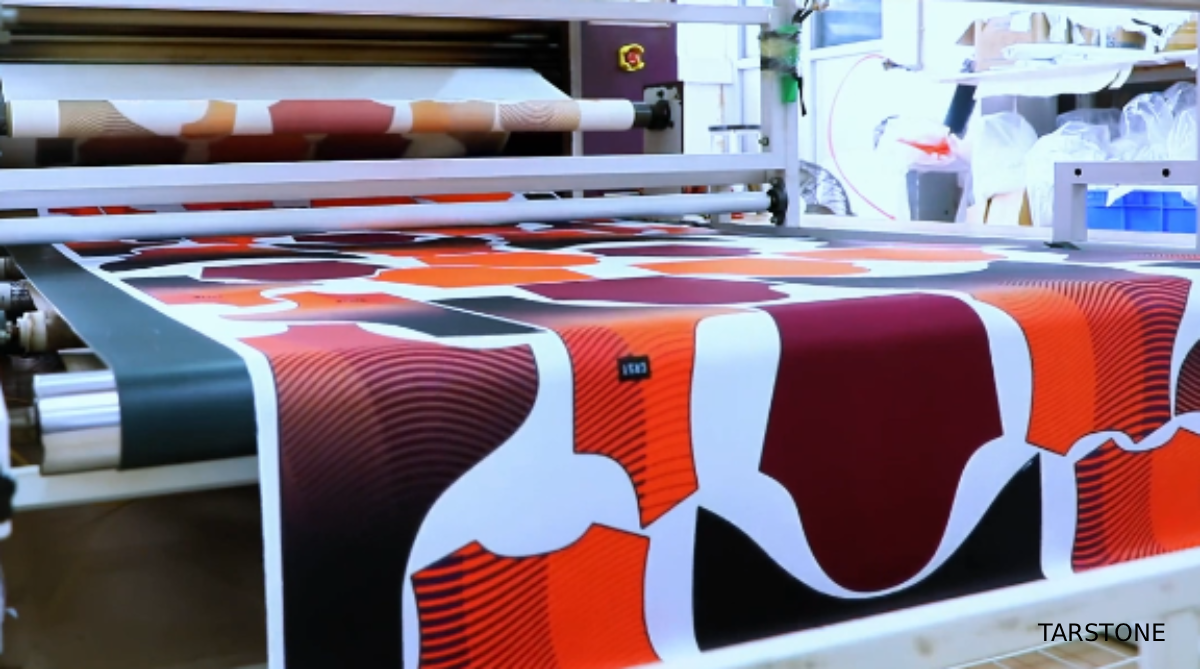
Sublimation printing provides considerable flexibility for custom tri suit development because graphics can be incorporated directly into the garment panels. However, the artwork still needs to be developed with the construction in mind.
The final design should account for seams, openings, zippers, sleeve panels, and leg panels rather than treating the artwork as something that is added after the garment has been designed.
A strong custom design is therefore not simply attractive on screen. It should still look balanced after the garment has been cut, sewn, stretched, and worn.
Turn the Concept Into a Production-Ready Design
A product concept needs to become a set of clear specifications before it can move reliably into production.
This does not necessarily mean that a brand must already have a complete technical package. Some projects begin with detailed artwork and measurements, while others start with a reference garment, sketches, or a general description of the desired product.
The development process needs to turn that initial concept into something that can be sampled consistently.
The manufacturer needs to understand the intended fit, fabric requirements, pad construction, zipper configuration, pocket design, artwork, measurements, and finishing details. If these elements are unclear, different interpretations can appear during sample development.
The measurement chart is particularly important. It should represent the intended finished garment and take fabric stretch and fit into account rather than simply copying measurements from another product.
The same principle applies to fabric selection. If a brand has a specific material requirement, it should be clearly communicated. If the brand is open to alternatives, the manufacturer can recommend materials based on the intended use and construction.
Clear specifications make the sampling process more efficient because both sides have a common reference for evaluating the product.
Why Sampling Matters Before Bulk Production
A digital design can communicate the appearance of a tri suit, but it cannot fully show how the garment will behave on the body.
The first physical sample provides an opportunity to check whether the original concept works as intended. Fit can be evaluated across the torso, sleeves, legs, and openings. Construction can be reviewed around the zipper, seams, pockets, and chamois. Artwork can be checked for alignment and overall appearance.
The garment should also be evaluated in positions that reflect actual use.
A suit may look correct while standing but behave differently when the athlete is in a forward cycling position. Likewise, a construction that feels comfortable on the bike may reveal restrictions when running.
This is why sample development should not be treated as a simple approval step. It is part of the product development process.
The first sample may reveal the need for a change in pattern measurements, fabric, pad construction, zipper placement, pocket position, or artwork. Identifying those issues before bulk production gives the brand an opportunity to refine the product while changes are still manageable.
Refine the Tri Suit Before Production
Once the sample has been evaluated, the next step is to determine which changes are necessary.
Some adjustments may be minor, such as moving a logo or changing a graphic. Others may affect the pattern or construction more substantially.
The important point is to review the product as a complete system.
Changing the torso length, for example, may affect the position of the zipper, artwork, pockets, and pad. Changing the fabric can also change the way the garment fits because different materials can behave differently under tension.
For this reason, revisions should be documented and confirmed rather than handled through assumptions.
The objective is not simply to make the first sample look acceptable. It is to establish a final version that matches the brand's intended fit, appearance, and functional requirements.
Once the final sample and specifications have been approved, the product has a clear reference for bulk manufacturing.
From Approved Sample to Bulk Production
The transition from sampling to production is where consistency becomes especially important.
The approved sample provides the physical reference, while the final specifications define the measurements, materials, artwork, construction, labels, and finishing requirements that need to be reproduced.
The size breakdown and order quantity should also be confirmed before production begins. Any changes made after sample approval should be communicated clearly because even a relatively small change to fabric, artwork, measurements, or construction can affect the finished garment.
For a new tri suit collection, this stage is also an opportunity to make sure that the product information is complete before production starts. The more clearly the approved version is defined, the easier it is to maintain consistency throughout the production run.
Final Thoughts
Designing a custom tri suit for your brand is a product development process rather than simply a graphic design project.
The strongest results come from establishing the product purpose first and then developing the fit, fabric, chamois, and construction around that purpose. Once the functional foundation is clear, the visual identity can be integrated into the garment pattern instead of being treated as a separate design layer.
Sampling then provides the opportunity to evaluate the actual garment, identify areas that need refinement, and confirm the specifications before bulk production.
Whether you already have finished artwork and technical specifications or are still developing the initial product concept, the key is to establish a clear connection between the brand vision and the physical garment. A well-defined development process makes it easier to turn that concept into a tri suit that is ready for consistent production.
A successful custom tri suit starts with a clearly defined product concept and continues through fit, fabric, chamois, construction, artwork, sampling, and production preparation.
The goal is not simply to create an attractive design, but to develop a garment that works across swimming, cycling, and running while remaining consistent with the brand's product positioning.
If you are developing a custom tri suit for your brand and already have artwork, a reference garment, or initial product requirements, these materials can provide a starting point for sample development and production planning.
Contact us to discuss your custom tri suit project and explore the appropriate development and production approach.
Email: amytong@tarstone.com
WhatsApp: +86 150 5417 8785
Website: www.tarstone.com
Custom Cycling Teamwear for Teams, Clubs and Brands
Custom Cycling Jersey Manufacturer in China