What Is a Technical Running Shirt?
A technical running shirt is developed specifically for running. What goes into the garment depends on how it is expected to be used, from the choice of material to the way it is cut and constructed.
There is no single fabric or design that makes a shirt technical. A lightweight short sleeve shirt, a running singlet and a long sleeve running top can all fall into this category, even though they may look and feel very different. For brands developing running apparel, the important thing is how the garment works as a whole and whether the material, shape and construction match the purpose of the product.
What Makes a Running Shirt Technical?
The difference starts with the way the garment is developed. A technical running shirt is designed for the demands of running rather than general everyday wear, so decisions about the material, body shape and sleeves are made with running in mind.
Fabric Selection
The material has a direct effect on how a running shirt feels when it is worn. Weight, stretch, surface structure and hand feel can all change the experience of running in the garment.
Different products may call for different materials. A lightweight racing singlet, for example, can have different requirements from a long sleeve running top intended for cooler conditions. The material also needs to work with the rest of the garment, because a fabric that feels suitable on its own may behave differently once it is cut and sewn into a particular design.
Pattern and Garment Shape
Running involves repeated movement through the shoulders, arms and upper body, so the shape of the garment matters. Sleeve length, shoulder shape, body length and overall proportions all affect how the shirt sits while running.
A technical running shirt does not necessarily need to be tight. A racing shirt may have a closer fit, while a training shirt may allow more room. The right shape depends on the product and the way it is intended to be used.
Garment Construction
Construction affects both the appearance of the shirt and how it feels during use. The neckline, sleeves, seams and body sections need to work with the chosen material and overall shape. A change in one area can also affect another, which is why these details are normally considered during product development rather than added at the end.
This becomes particularly important for a custom running shirt, where the garment is being developed around a specific product direction rather than taken directly from a standard design.
How Is a Technical Running Shirt Different From a Regular T-Shirt?
The main difference is what the garment was designed for. A regular T-shirt is generally made for everyday wear, while a technical running shirt starts with the requirements of running. Decisions about the material, shape and construction are therefore made with movement and running conditions in mind.
The difference is not always obvious from the outside. Two shirts can look quite similar while using different materials or having different proportions and construction.
A regular T-shirt can certainly be worn for running. What makes a shirt technical is that running was considered from the beginning when the product was developed.
Do Different Technical Running Shirts Need Different Designs?
They do. Technical running apparel covers several types of garments, and each one has its own requirements.
Short Sleeve Running Shirts
A short sleeve running shirt needs to allow natural movement through the shoulders and arms while maintaining the intended shape of the garment. Sleeve length and shape can affect how the shirt feels during movement, while body proportions also need to work with the material, particularly when a brand is developing a specific fit.
Running Singlets
A running singlet has a different construction because the upper arm is left uncovered. The arm openings, shoulders and neckline have a greater influence on the shape of the garment, and a singlet designed for racing may also be developed differently from one intended for regular training.
A running singlet therefore needs to be considered as its own garment during development, rather than simply starting with a short sleeve shirt and removing the sleeves.
Long Sleeve Running Tops
Long sleeve running tops introduce another set of considerations. The sleeves need enough freedom for normal arm movement, while their length and shape need to work with the body of the garment. The material can also have a greater effect because more of the body is covered.
For this reason, a long sleeve running top may require a different approach from a lightweight short sleeve racing shirt, even when both belong to the same running collection.
Which Design Elements Matter in a Technical Running Shirt?
There is no fixed list of features that every technical running shirt needs. The right choices depend on the product, the intended use and the material.
Fabric Structure and Weight
Fabric weight and structure can change how a shirt feels during a run. A lighter material may suit a product intended for hot-weather running, while another material may be more appropriate when greater coverage is needed.
The choice should start with the product requirements. It is not always useful to select a fabric simply because it is commonly used in running apparel.
Stretch and Material Behavior
Stretch affects the way a shirt fits and moves. Two fabrics can have similar weights but behave quite differently when worn, which can change how much ease is needed in the pattern and how the finished shirt sits on the body.
For a custom running shirt, these differences are worth considering early in development rather than trying to correct them after production has started.
Neckline and Sleeve Construction
The neckline and sleeves may look like relatively small details, but they can have a noticeable effect on the finished garment. The neckline needs to sit comfortably while the wearer is moving, while sleeve length and shape need to suit the arm movement required during running.
These are details that are easier to judge on a physical sample than on a design file alone.
Ventilation-Oriented Design
Ventilation can be useful for running garments intended for warmer conditions. There are different ways to approach it depending on the product. Some garments may use a different fabric structure in selected areas, while others may rely on the overall material and construction.
It does not need to be treated as a standard feature of every technical running shirt. Whether it is appropriate depends on what the garment is meant to do.
How Should Brands Develop a Technical Running Shirt?
For a brand, the development process should start with the product itself rather than production.
Define the Intended Use
First, determine what the shirt is supposed to be. A training shirt, racing shirt and team garment may all be used for running, but they do not necessarily need the same fit or construction. The expected running conditions and the type of user can also influence the direction of the product.
Select the Material Around the Product
Once the product direction is clear, the material can be selected accordingly. Weight, stretch, surface feel and other characteristics should be considered together with the intended garment. A fabric that looks suitable as a swatch may behave differently once it becomes part of the finished shirt.
Develop the Pattern With the Fabric
The material and pattern need to be considered together. Measurements on a specification sheet do not tell the whole story, because fabric stretch and behavior can change the way a finished shirt fits and moves.
This is especially relevant when developing a custom running shirt. The desired fit needs to be established during development rather than left until bulk production.
Evaluate the Sample
The sample is where many of these decisions become easier to judge. A brand can check the body length, sleeve position, neckline, proportions and overall movement of the garment. Some problems are difficult to spot in a drawing or specification and only become apparent once the shirt has been made.
This is why sample approval is an important stage before moving into bulk production.
Confirm the Size Range
The size range should also be reviewed before production. Grading is not simply a matter of increasing every measurement by the same amount. The proportions of the garment need to remain suitable as the sizes change.
This matters even more when a brand is building a broad size range or when the fit is an important part of the product.
Finalize the Product Before Bulk Production
Once the sample and specifications have been approved, the garment is ready to move into production. Having the product clearly defined at this stage gives the manufacturer a clear reference for the bulk order and makes later quality checks easier because the approved sample and specifications provide a basis for comparison.
How Does a Technical Running Shirt Fit Into a Custom Running Apparel Collection?
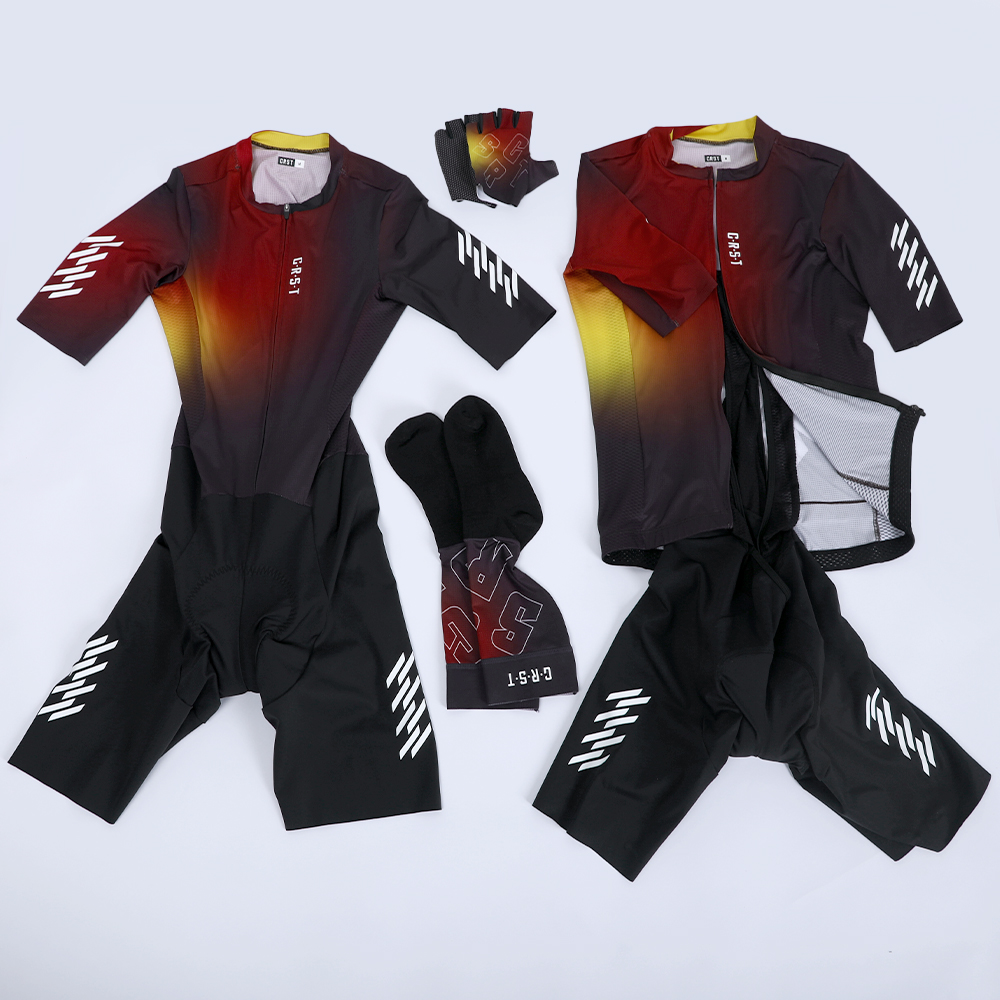
A technical running shirt can be one part of a wider running collection. A brand may develop short sleeve running shirts, running singlets and long sleeve running tops for different uses while keeping the same overall visual direction.
The artwork, logo placement and color palette can remain consistent across the collection, but the garments do not have to use exactly the same construction. For example, artwork designed for a short sleeve shirt may need to be repositioned when it is applied to a singlet or a long sleeve garment.
The same design language can be maintained without forcing every product into the same pattern. This is particularly relevant when developing custom running apparel for a brand, team or organization. A collection works better when each garment is developed for its own purpose while still looking like part of the same range.
What Makes a Good Technical Running Shirt?
A good technical running shirt starts with a clear idea of what the product needs to achieve. The material should suit the intended use, the fit should make sense for the type of running garment, and the neckline, sleeves and other construction details should work together. The finished product should also remain consistent across its size range.
It is also important not to add performance details simply to make a product appear more technical. A shirt does not become better because it has more features. Each decision should have a reason behind it and should support the intended use of the garment.
For brands, this usually comes down to getting the product definition right before bulk production begins. A well-developed sample can reveal issues early, while a clear set of approved specifications gives the manufacturer a reliable reference for the production run.
In the end, a technical running shirt is simply a garment developed with running as its purpose. The material, fit and construction should all support that purpose.
A technical running shirt is engineered for running movements, not everyday casual wear. Fabric choice, pattern shaping, seam construction and ventilation features must align with the garment’s use case: training, racing or team uniform.
Short sleeve, singlet and long sleeve technical running garments each require unique pattern treatment. Brands should define product goals, test physical samples and validate size grading before bulk manufacturing to avoid fit and performance defects.
Tarstone delivers full‑cycle custom running apparel OEM & ODM service: custom technical running shirts, singlets, long sleeve tops, sample iteration and stable bulk production for brands, teams, clubs and event distributors.
Ready for your custom technical running apparel project? Request formal quotation today.
Email: amytong@tarstone.com
WhatsApp: +86 150 5417 8785
Website: www.tarstone.com
Related Article