Custom Cycling Bib Shorts: Padding, Fit and OEM Options
Custom bib shorts are among the most technically demanding pieces in a cycling apparel line. For brands, clubs, and teams, the success of the product often hinges not on graphic design, but on chamois performance, fit precision, and manufacturing consistency. In OEM production, nuanced details such as chamois construction, pattern design, or fabric selection can directly impact rider comfort, product return rates, and a brand's long-term reputation. In OEM projects, we often find that most fit-related feedback stems not from fabric choice, but from inconsistencies in pattern grading during bulk production. This guide outlines how to evaluate chamois, fit, and OEM options when producing custom bib shorts at scale.
Why bib shorts are the most sensitive product in cycling apparel
Compared to cycling jerseys or jackets, bib shorts offer a much smaller margin for error. Most rider complaints and fit-related returns stem from three key issues: an uncomfortable chamois, inadequate compression, and poorly designed shoulder straps. From an OEM perspective, bib shorts cannot be treated as a one-size-fits-all product. Variations in ride duration, rider proportions, and regional wear preferences are critical factors that must be integrated into the product development process. Brands that prioritize these considerations early in the customization phase typically achieve superior rider feedback and higher repeat purchase rates.
The chamois: the performance core of cycling bib shorts
Chamois selection is of paramount importance in the development of custom bib shorts. In an OEM project, the focus should extend beyond mere thickness to evaluate the chamois construction, density, and profile based on the intended riding discipline.
Chamois density and construction
High-performance cycling shorts typically employ a multi-density chamois construction. This design disperses pressure at key contact points while maintaining freedom of movement during the pedaling cycle. For OEM projects, the selected chamois density should align with the expected ride duration—for instance, differing between short training rides and long endurance rides. While a single-density chamois can reduce costs, it often limits performance stability on long rides. In our OEM development work, brand clients typically focus on chamois thickness in the early stages. However, it is the density and construction that ultimately determine long-distance comfort after production begins. For brands targeting mid-to-high-end market segments, multi-density or zoned chamois designs deliver superior long-term comfort and durability.
Chamois profile vs. Riding position
The chamois profile must be tailored to the rider's posture and cycling discipline. Road, gravel, and mountain biking each impart pressure on different zones of the saddle. During OEM development, the chamois shape is typically engineered to support a forward-leaning riding position while avoiding excessive bulk. Sex-specific chamois design is critical. Men's and women's bib shorts require distinct anatomical shapes to prevent chafing and pressure point buildup during long rides. In OEM projects, using the same chamois for both styles is one of the most common reasons for post-launch fit issues.
Chamois interface fabric & Breathable
The surface layer of the padding affects moisture-wicking and skin comfort. In mass production, the outer fabric must strike a balance between quick-drying performance, abrasion resistance, and batch-to-batch consistency. Breathable and soft fabrics are often the preferred choice for high-end custom cycling shorts, especially in collections designed for warmer seasons.
Seam Integration in Shorts
The method of padding fixation affects both comfort and durability. Flatlock stitching is commonly employed in OEM projects to minimize chafing, while precise alignment ensures the padding remains stable during movement. Poor integration can lead to padding shifting or bunching—a frequent complaint among cyclists.
Fit and pattern design: The perfect union of comfort and stability
Even with high-quality padding, an ill-fitting pattern can undermine the performance of custom cycling bib shorts. From a manufacturing standpoint, we have observed that subtle variations in cutting layout can significantly affect size consistency across different production batches. OEM pattern design prioritizes balanced compression, ergonomic shaping, and accurate size grading.
Compression and Panel Layout
Effective compression provides muscular support without restricting movement. In OEM production, panel layouts are strategically engineered to deliver targeted support while maintaining flexibility in key joint areas. Excessive compression may lead to discomfort, while insufficient support can cause fabric migration during cycling.
Bib Structure
The bib structure plays a critical role in overall comfort, especially during long-distance rides. The elasticity, width, and breathability of the shoulder straps must be selected based on climate and rider needs. Lightweight mesh shoulder straps are typically used in summer collections, while reinforced bib designs are favored for winter series. For endurance-oriented performance designs, elastic support structures may be preferred.
Leg Opening & Slip-Resistant System
The construction of the leg opening affects both comfort and size tolerance. Silicone grippers, bonded edges, or built-in elastic are common OEM options. Each method influences comfort across different body types and the shorts' fit retention during movement.
OEM cycling bib shorts customization
OEM production allows brands to control key performance variables, rather than relying on fixed off-the-shelf specifications. During the development phase, brands can typically customize:
- Padding construction, Density range, and Shape options
- Fabric weight, Grade of elasticity, and Surface texture
- Pattern adjustments: Inseam length and rise height
- Bib structure and back panel design
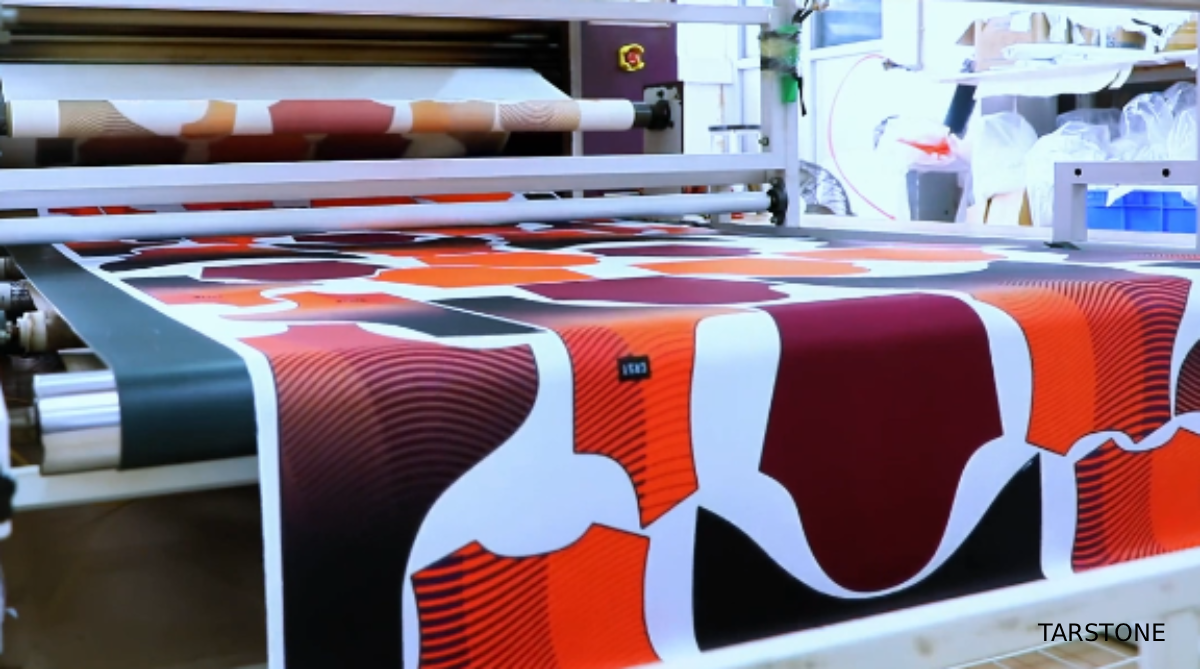
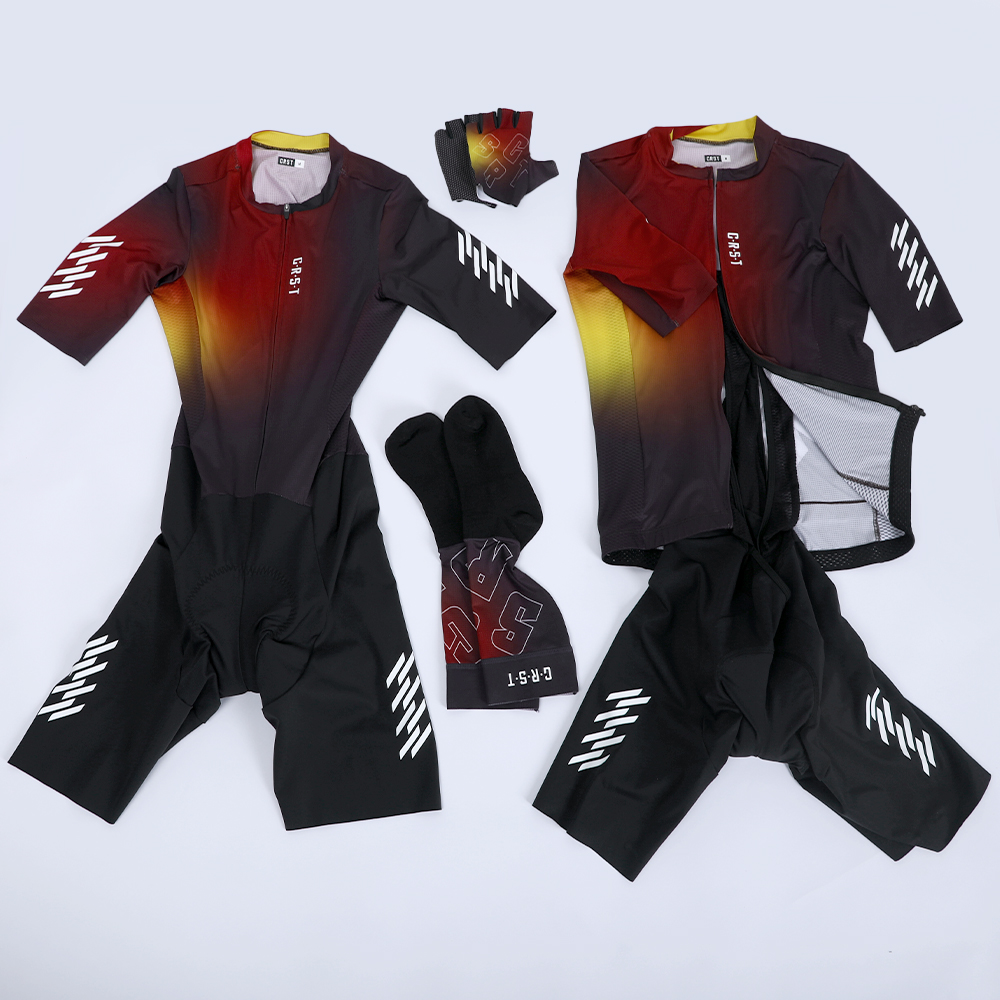
- Sublimated logo placement and colors
Customization options are typically finalized during the sampling stage to ensure performance targets are met before mass production begins.
Common mistakes in OEM cycling shorts development
Recurring issues often emerge in unsuccessful customization projects. These are particularly common in initial OEM orders, where development timelines are typically compressed.
- Selecting padding based solely on thickness rather than density and shape
- Using the same pattern for both men's and women's cycling shorts
- Neglecting bib performance in long-distance riding scenarios
- Overlooking regional fit preferences when adapting sizing for different markets
Addressing these issues early enables brands to avoid costly modifications and inconsistent customer feedback.
Supporting reliable OEM production
Experienced OEM manufacturers support brands by refining design details during sampling, validating the fit across sizes, and maintaining stringent quality control throughout production. Consistent fabric sourcing, padding integration, and sewing standards are critical. Based on our experience supporting multiple bulk orders, implementing proactive technical adjustments early in the sampling phase is the most effective way to minimize post-production revisions.
For brands developing custom cycling bib shorts, partnering with an OEM manufacturer that understands padding performance, fit engineering, and scalable production processes can significantly reduce risk while enhancing product reliability.
Conclusion
Custom cycling bib shorts represent the pinnacle of technical apparel in the cycling industry, where success depends on precision in chamois engineering, pattern grading consistency, and manufacturing expertise. Unlike standard apparel, bib shorts demand a tailored approach to OEM production that accounts for riding discipline, anatomical differences, and regional fit preferences.
By prioritizing chamois density over thickness, validating fit across sizes during sampling, and partnering with experienced OEM manufacturers, brands can deliver bib shorts that balance performance, comfort, and durability—ultimately enhancing rider satisfaction and brand reputation in the competitive cycling market.
How to Choose the Right OEM Cycling Jersey Manufacturer
Designing Your Perfect Custom Cycling Jersey