OEM vs ODM Cycling Apparel: What's the Difference?
When developing a cycling apparel line, one of the first strategic decisions a brand faces is whether to adopt an OEM or ODM model. Understanding the difference between OEM and ODM helps brands make informed decisions and find the right manufacturing partner.
While both approaches involve working with cycling clothing manufacturers, they differ significantly in terms of design ownership, cost structure, customization flexibility, and brand positioning. For brands, distributors, and procurement managers, it is essential to understand these differences before moving into mass production.
This guide explains the practical differences between OEM and ODM in the cycling apparel industry, helping your brand identify the most suitable production model and avoid common sourcing risks.
1. OEM Cycling Apparel: Full Control and Professional Quality
OEM stands for Original Equipment Manufacturer, where you provide the ideas and designs, and production is handled by the factory.
- The brand provides the design concepts, technical packages, or artwork.
- The manufacturer produces the garments in accordance with the brand's specifications.
- The finished products are sold under the brand's own label.
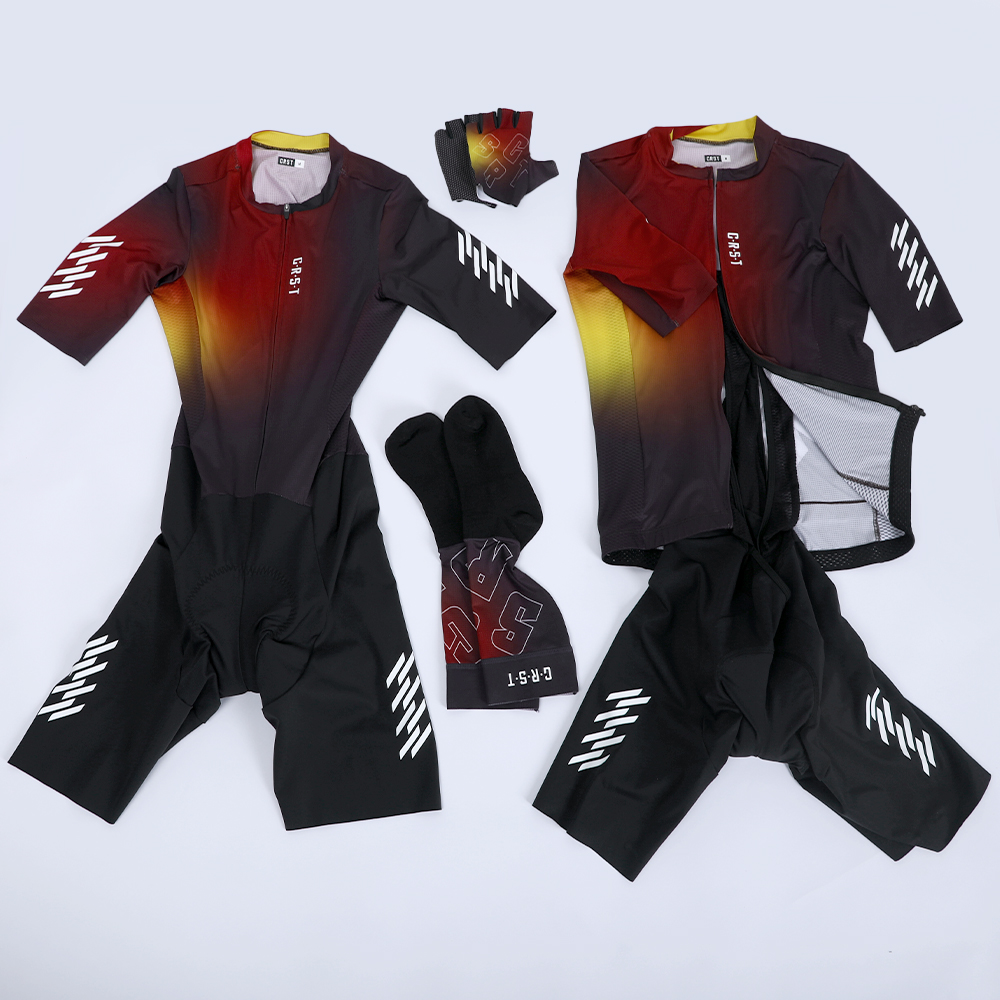
OEM is a production model driven by detailed specifications provided by the brand, aimed at precisely realizing the brand's exclusive designs. The brand provides the factory with specific requirements, including design elements, fabric choices, and special features, and the OEM factory produces strictly according to these standards. From fabric selection and pattern finalization to color schemes, the brand is involved throughout the entire process, maintaining a high degree of control.
This allows the brand to create highly recognizable products and establish a unique brand image in the market. OEM also offers the flexibility to adjust Minimum Order Quantities (MOQs) based on market demand and budget, adapting seamlessly whether for small-batch prototyping or large-scale production.
For the cycling industry, the high customizability of OEM is highly advantageous, making it particularly suitable for brands focusing on niche market segments. It enables them to achieve market differentiation through comprehensive quality control throughout the process.
OEM cycling apparel is suitable for:
- Well-known bicycle brands
- Professional cycling teams
- High-end private label activewear brands
- Companies seeking product differentiation
2. ODM Cycling Apparel: Quick Launch and Lower Entry
ODM stands for Original Design Manufacturer.
- The factory provides ready-made cycling apparel models.
- The brand can customize the logo, colors, or certain details.
- The structural design remains primarily with the manufacturer.
ODM leverages existing mature designs to help brands accelerate market entry, significantly shortening the cycle from concept to launch. The factory provides a design catalog, from which the buyer selects styles, and the factory then produces and delivers the products under the buyer's brand.
This model is particularly suitable for companies looking to enter the market quickly, as it substantially reduces upfront investment in design and sampling, saving both time and resources.
The core advantage of ODM lies in its high cost-effectiveness, achieved through mass production that effectively lowers the unit cost. Customization is typically limited to branding elements such as logos, labels, and other details. Therefore, ODM is better suited for brands focused on rapid distribution rather than extreme differentiation.
For many brands, having ready-to-produce designs greatly simplifies the decision-making process, allowing teams to concentrate more on marketing and channel development.
ODM cycling apparel is suitable for:
- Brands looking to accelerate time-to-market
- Those with limited development budgets
- Companies testing a new product category
3. Practical Comparison: OEM vs ODM
| Factor | OEM | ODM |
|---|---|---|
| Production Model | Manufactured according to the buyer's exclusive designs and specifications, giving the brand full control over the final product. | Based on pre-existing factory designs with private labeling; the buyer has limited involvement in the design phase. |
| Level of Customization | Highly customizable — from fabric selection to functional features — allowing full alignment with the brand's concept and positioning. | Limited customization, mainly focused on logo application and minor visual adjustments. |
| Control & Ownership | The buyer retains control over design direction and quality standards. | Relies on the manufacturer's existing design framework and technical structure. |
| Development Complexity | Requires detailed technical documentation and multiple sample iterations for approval. | Utilizes pre-developed styles, resulting in a simpler and more streamlined process. |
| Cost Structure | Higher upfront investment due to development and customization requirements. | More cost-efficient, benefiting from standardized production and economies of scale. |
| Brand Positioning | Best suited for brands focused on long-term differentiation and premium market positioning. | Suitable for entry-level brands or companies testing new product categories. |
| Production Lead Time | Sample approval and mass production timelines depend on design complexity and are generally longer than ODM. | Standardized production model typically allows for shorter lead times. |
4. Procurement Scenarios
A Scenario A: Startup Testing the Market
+- Small initial order to validate sales
- Limited internal design resources
- Needs fast market entry
Recommendation: ODM-quick launch, minimal setup effort, lower procurement costs
B Scenario B: Professional Brand Launching Signature Kit
+- Focus on long-term brand recognition and repeat orders
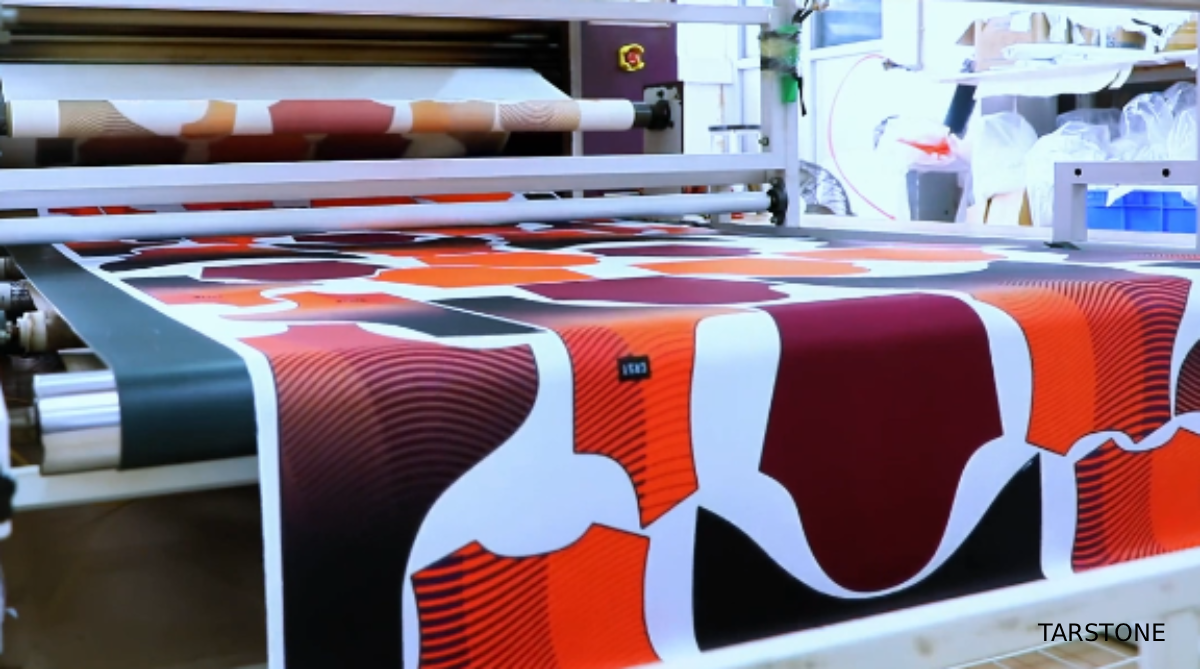
- Requires aerodynamic fit, specialized fabrics, and unique sublimation prints
- Prioritizes consistency and quality
Recommendation: OEM-full control ensures products meet performance standards and maintain brand integrity.
5. Key Considerations for Procurement Decisions
- Design Complexity: How distinctive and technically unique is your product?
- Customization Requirements: Do you require specialized fabrics, custom printing, or unique panel constructions?
- Timeline: Is speed to market more critical than technical precision?
- Brand Strategy: Build Differentiation Advantages Through Pragmatic Strength, or Test the Market First
- Factory Capacity: Can the manufacturer consistently meet your expectations?
6. Partnering with the Right Cycling Apparel Manufacturer
- Experience in cycling apparel manufacturing
- Capability to handle custom fabrics and sublimation printing
- Clear minimum order quantity, sampling process and delivery lead time
- Structured quality control and inspection procedures
- Transparent communication and project management
- A professional manufacturer will guide brands in choosing between OEM and ODM, mitigate risks, and ensure the final product aligns with your vision
7. Conclusion: Choose the Right Model for Your Brand
Both OEM and ODM have their respective advantages, and the choice should be based on the actual conditions of your brand.
If your brand plans to launch a custom cycling apparel line and seeks guidance on OEM or ODM strategies, please contact our team for professional consultation and project support.
Triathlon Suit vs Cycling Suit: What Brands Must Know Before Bulk Production
How to Customize Professional Cycling Apparel for Cycling Teams | Tarstone OEM Case Study