The Design Behind Mountain Bike Pants
Mountain bike pants may look simple, but they have to work in a very different environment from ordinary sports trousers. When riding on a trail, the rider is constantly changing position, bending the knees, shifting body weight and moving around the bike. The pants also have to deal with dirt, branches, changing weather and contact with the bike.
Because of this, a good pair of mountain bike pants is not simply a longer or looser pair of cycling trousers. The way the pants fit and move needs to be considered from the start, based on what happens when the rider is actually on the bike.
The Riding Position Changes the Way the Pants Fit
The way pants feel when standing is not necessarily the way they feel on a mountain bike.
During a ride, the rider's hips are usually bent forward and the knees remain bent for much of the time. On more technical sections, the rider may stand on the pedals, move backward on a descent or shift from side to side through a corner.
These movements change the way the pants sit on the body. A pair that feels comfortable while standing can pull at the waist or thighs once the rider gets into a riding position.
This is why mountain bike pants need enough room in the areas that move most while riding. The waist, hips and upper legs all need to work with the rider rather than against the movement.
The goal is not simply to make the pants loose. It is to create a fit that feels natural in the riding position and continues to work as the rider moves around the bike.
The Knee Area Needs More Than Just Stretch
The knees are constantly moving while riding. Every pedal stroke requires repeated bending, and technical riding can involve even more movement.
There is another consideration for many riders: knee pads. Pants need to leave enough space for them without becoming excessively loose around the knee.
The shape of the knee area therefore matters. Instead of making the pants completely straight through the leg, the design can give the knee more room in its natural riding position. Stretch in the fabric can then help the pants move with the rider.
This is an important difference between simply adding a stretchy material and actually designing pants for mountain biking. The fabric needs to move in the right places, while the overall shape still needs to stay comfortable on the bike.
The Lower Leg Has to Work Around the Bike
The lower part of the pants has its own requirements.
A mountain bike has pedals, cranks, a frame and other components close to the rider's legs. At the same time, the rider is wearing cycling shoes, which take up space around the feet and ankles.
If the lower leg is too loose, excess fabric can become unnecessary on the bike. If it is too narrow, it may restrict movement or make the pants difficult to wear with different shoes.
For this reason, the shape of the lower leg needs to balance freedom of movement with a clean fit around the bike and footwear.
The ankle opening is a small part of the garment, but it can make a noticeable difference once the pants are being used for riding rather than simply worn as casual clothing.
Protection and Freedom of Movement Need to Work Together
Mountain biking can be hard on clothing. Riders may pass through branches, brush and rough sections of trail, and the pants can also come into contact with the bike or the ground.
Durability is therefore important, but making the entire garment heavier or more rigid is not necessarily the answer.
The rider still needs to move freely. A pair of pants that feels strong but restricts movement can become uncomfortable during a long ride.
This is where the balance between protection and flexibility becomes important. Some areas may need stronger or more durable fabric, while other areas need more freedom to stretch and move.
The aim is to make the pants durable enough for the environment without losing the movement that mountain biking requires.
The Riding Conditions Also Affect the Design
Not every mountain bike ride takes place in the same conditions.
A warm, dry trail and a cool or wet ride can create very different requirements. Temperature, wind and moisture can all affect how much coverage or ventilation a rider needs.
For example, a lightweight design can make sense when keeping cool is a priority. In cooler or wetter conditions, greater coverage can become more useful.
This does not mean every pair of mountain biking pants needs to do everything. Different designs can be developed for different riding conditions and types of use.
The important point is that the intended riding environment should be considered before deciding how much coverage, ventilation and protection the garment needs.
Small Details Matter Once You Are on the Bike
Some of the most useful details are easy to overlook when looking at the pants from the outside.
The waistband needs to stay comfortable as the rider changes position. Pockets need to be placed where they can be used without getting in the way while riding. Zippers and other closures also need to be easy to operate without making the garment unnecessarily complicated.
Even the position of a pocket can matter. A pocket that feels perfectly fine when standing may feel different when the rider is leaning forward on the bike.
These details do not necessarily make a pair of mountain bike pants look dramatically different. Their importance becomes clearer when the pants are used for several hours on the trail.
Good MTB Pants Start With the Way They Will Be Used
The design of mountain bike pants comes down to how all of these requirements work together.
The riding position affects the fit. Knee movement affects the shape of the leg. The bike and shoes influence the lower-leg design. Trail conditions affect durability and coverage, while temperature and ride intensity influence ventilation and fabric choices.
None of these decisions should be considered completely separately. Changing one part of the design can affect another, so the garment needs to be developed around the way it will actually be used.
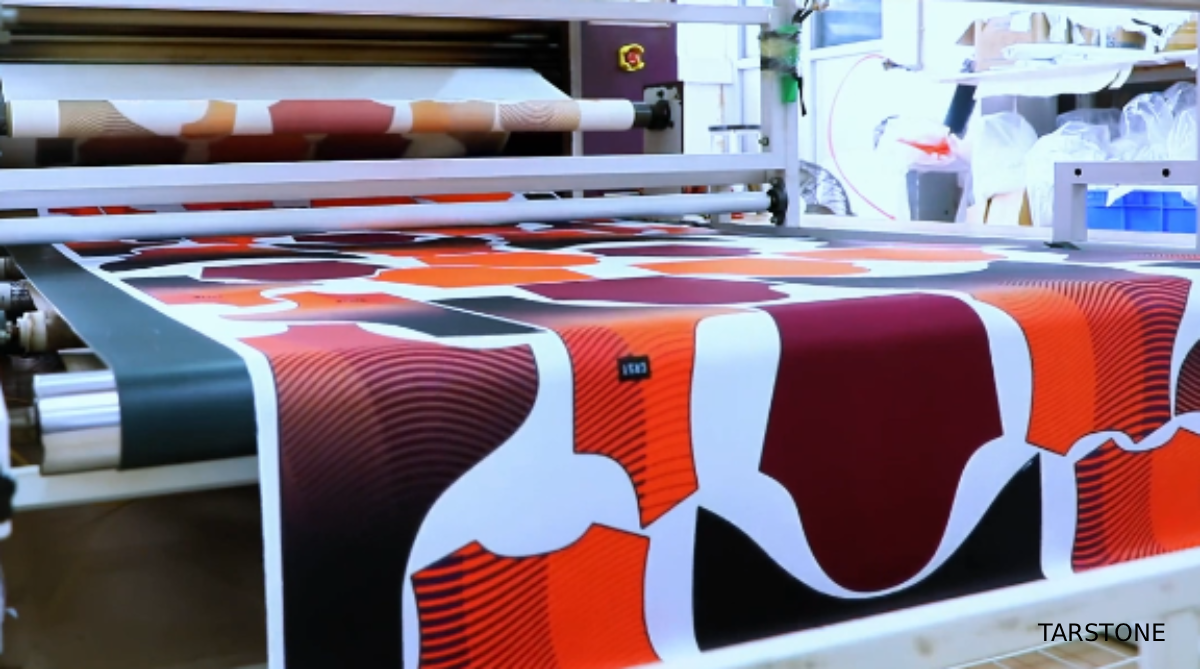
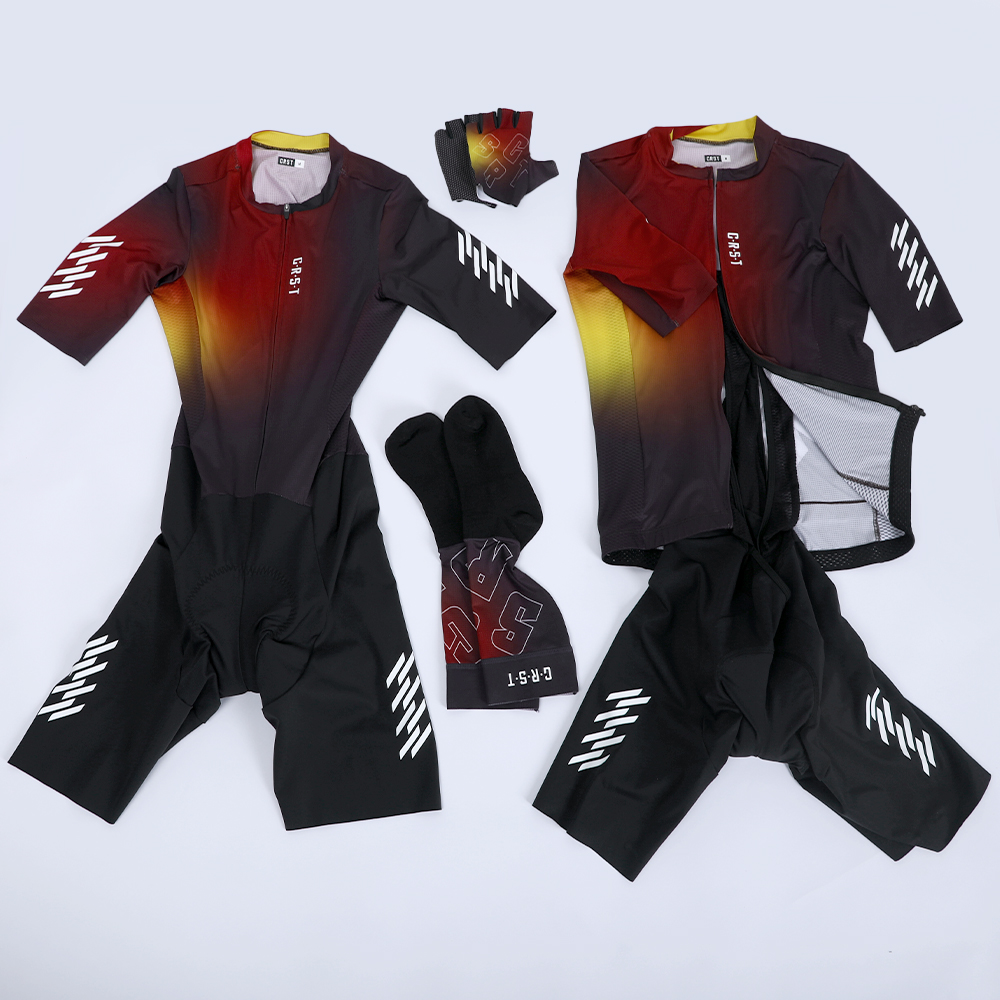
This is also important when developing custom MTB apparel for a brand or team. The graphics and colors may define the visual identity of the garment, but the construction underneath still needs to support the rider's movement and the conditions in which the product will be used.
At Tarstone, we apply this approach when developing custom MTB apparel, bringing together garment design, material selection and production to create sportswear around the requirements of mountain biking.
Conclusion
Mountain bike pants are engineered for trail movement rather than casual wear. Every cut and panel is built around the rider’s bent riding posture, knee pad compatibility and real trail hazards.
Great MTB pant design balances durability with mobility. It considers waist fit, knee shaping, lower leg clearance and practical details like pocket placement. Different riding climates also call for tailored ventilation and coverage.
When creating custom MTB teamwear or brand apparel, always build the pattern around actual trail use, not just static standing fit.
Custom mountain bike pants are more than ordinary long trousers. They are tailored for bent riding posture, knee pad space, trail durability and unobstructed movement on the bike.
Focus on riding-position fit, knee shaping, lower leg clearance and practical pocket placement. Match fabric weight and ventilation to your target trail conditions, so riders stay protected without losing mobility.
Tarstone delivers full‑cycle custom MTB apparel OEM & ODM service: custom mountain bike pants, jerseys, shorts, sample iteration and stable bulk production for MTB teams and outdoor sport brands.
Ready to develop your custom MTB pants? Request formal quotation today.
Email: amytong@tarstone.com
WhatsApp: +86 150 5417 8785
Website: www.tarstone.com