Key Design Considerations for High-Performance Cycling Bib Shorts
Tarstone, a leading OEM and ODM manufacturer of custom cycling apparel, shares its core design philosophy: the success of a premium cycling bib short relies not on any single component, but on the synergistic operation of a complete, integrated system. This article outlines the critical design pillars—from fit and fabric to padding and production—that brands and teams must consider to develop truly differentiated, high-performance products through collaborative OEM/ODM partnerships.
As a specialist in custom cycling apparel manufacturing, we collaborate closely with cycling brands, teams, and clubs to develop bib shorts engineered for superior performance, precise fit, and targeted functionality. Our extensive experience in production and R&D confirms that a winning bib short is the result of a holistic systems approach, where every element works in concert.

Fit & Pattern Construction
From a manufacturing standpoint, bib shorts must achieve a second-skin fit. Before finalizing materials, we work with clients to define the fit profile—whether for racing, training, or endurance. The pattern is paramount for on-bike stability and support. A multi-panel construction allows for precise anatomical contouring, while strategically engineered seam placement minimizes friction during long rides, enhancing overall comfort. The OEM/ODM development process involves iterative sampling to refine the fit, ensuring the final product aligns perfectly with the target rider's physique and riding posture.
Fabric Selection & Stretch Mapping
Fabric choice is a direct driver of performance and product positioning. High-performance bib shorts typically combine multiple technical fabrics. Through strategic "stretch mapping," materials with specific elasticity and compression properties are allocated to different zones. High-support fabrics stabilize key muscle groups, while lightweight, breathable materials in heat-prone areas manage moisture and enhance ventilation. Fabric stability—retaining shape and support through repeated use and washing—is non-negotiable for the longevity demanded by brands and teams.
Padding Design & Placement
The chamois is the critical interface for rider comfort. From an OEM perspective, comfort is defined not just by padding thickness but by density structure, shape, and—most importantly—precision placement relative to the rider's position on the bike. Designs vary by use-case: streamlined pads for performance/efficiency in racing, and pads offering comprehensive support for endurance riding. Throughout development, chamois positioning is meticulously tested against the garment pattern to ensure optimal stability and comfort throughout the pedal stroke.
Bib Strap Structure & Breathability
The shoulder straps are essential for stabilizing the shorts without waistband pressure. In OEM/ODM projects, strap design is adapted based on climate, ride duration, and preference. Breathable mesh straps excel in warm conditions, reducing moisture buildup. Strap width, elasticity, and attachment points are carefully engineered to ensure balanced load distribution and freedom of movement.
OEM Development: Proactive Quality Control
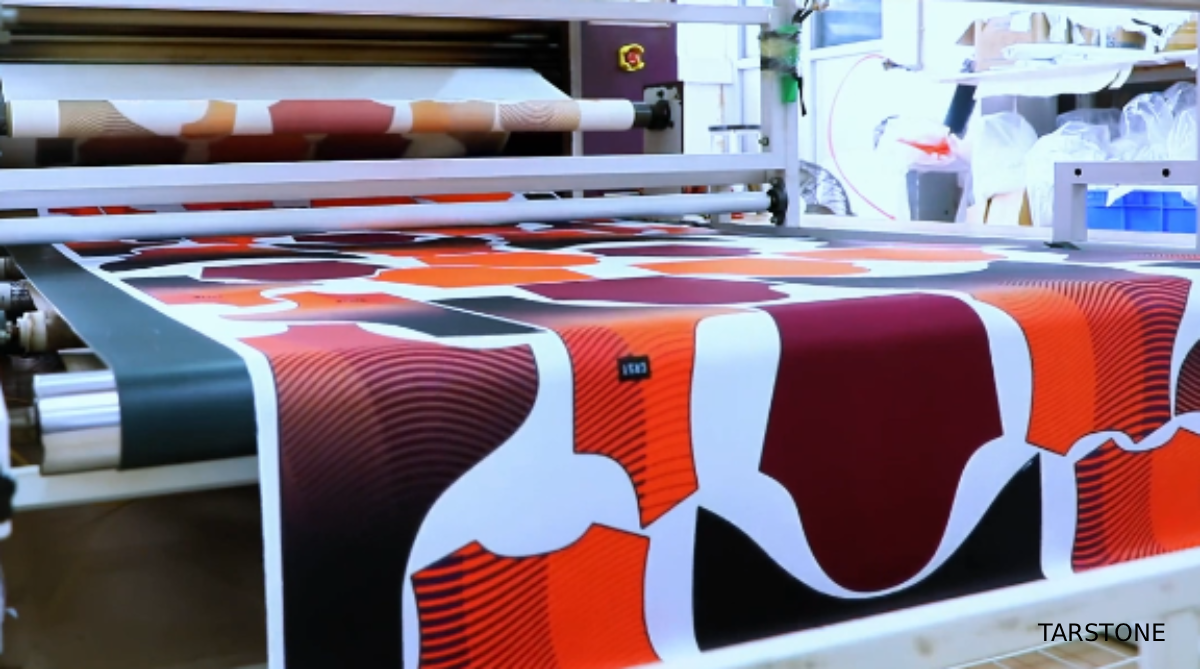
Challenges in bib short development often surface during the sampling phase, not in bulk production. Issues like fit consistency across sizes or late-stage design adjustments are common. To mitigate these, our development process emphasizes early-stage, small-batch prototyping. This allows for thorough review of size grading, construction integrity, and real-world wear testing. Feedback at this stage validates if the design is ready for scalable production. This rigorous approach is vital for team orders with fixed quantities and deadlines, ensuring reliable, on-schedule production of performance-proven goods.
Intended Use & Product Positioning
We guide our partners to understand how material, chamois, and construction requirements differ for training, racing, or endurance cycling. Every design decision is informed by specific riding conditions, ensuring clear product positioning that meets the end-rider's needs.
Conclusion
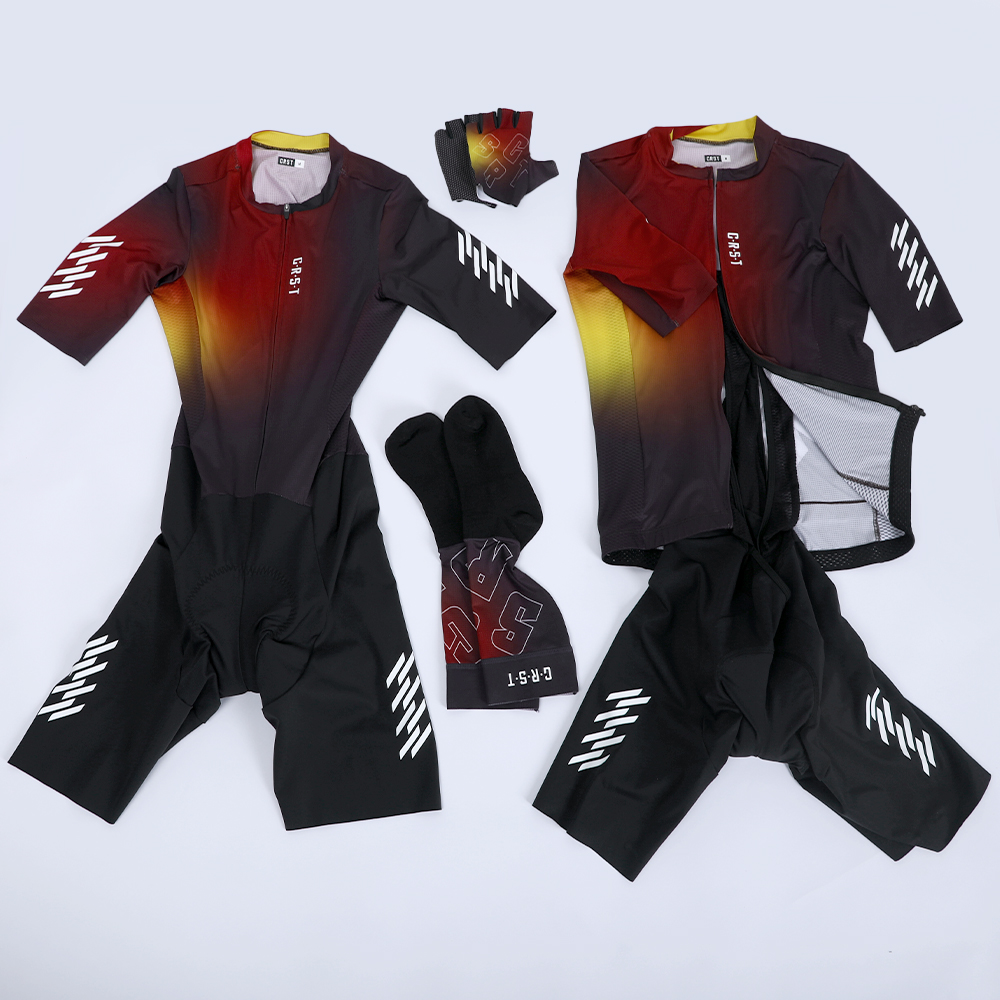
From an OEM and ODM perspective, designing a cycling bib short is the process of harmonizing fit, materials, chamois technology, and construction into a unified system tailored for a specific purpose. Custom development is, therefore, essential for brands seeking a competitive edge. By partnering with a manufacturer that views the bib short as an integrated system, brands can co-create solutions that deliver uncompromising performance, comfort, and durability.
About Tarstone
Tarstone is a specialist OEM/ODM manufacturer of high-performance custom cycling apparel. We partner with leading global brands, professional teams, and clubs to translate innovative design concepts into reliably manufactured, market-leading cycling gear through advanced engineering, a systematic approach, and proven production expertise.
Designing Your Perfect Custom Cycling Jersey
Oceanic Series: Building a Versatile Performance Cycling Kit