How to Build Your Cycling Brand: A Complete Guide from Design to Production
If you have ever watched a peloton flash past in a kit you wished you had designed, you are not alone. More riders, designers, and club organizers than ever are asking the same question: how do you actually start a cycling apparel brand? The good news is that launching custom cycling clothing has never been more accessible—global manufacturers, dye-sublimation printing, and on-demand sampling mean a serious first collection no longer requires a warehouse or a six-figure budget. The hard part is not the making; it is knowing the right sequence of decisions so you do not burn money on the wrong fabric, the wrong partner, or the wrong first drop.
This cycling brand launch guide walks the full path from a blank page to delivered order. It is written for founders, team managers, and designers who want a custom cycling clothing brand that looks professional and actually sells—and it reflects how we, as a custom apparel manufacturer, help brands move from idea to production every week. By the end, you will know exactly what to prepare, what to ask a factory, and what to expect at each step.
We move through defining your brand positioning, designing your first collection, choosing a production model(OEM, ODM, or white label), picking the right manufacturer, the tech-pack-to-delivery workflow, and launching and growing—then a short FAQ on cost, MOQ, and timing.
Define Your Brand Positioning
Before a single stitch is drawn, get clear on who you are for. The cycling apparel market is crowded, and a brand that tries to be everything for everyone usually becomes forgettable. Start with the audience: are you serving competitive racers, weekend club riders, gravel adventurers, or urban commuters? Each group values different things—racers care about aero fit and weight, commuters about visibility and comfort, clubs about identity and group pricing. Nail the audience, and the rest of the decisions get easier.
Next, decide your price tier and your edge. A premium race brand and a value club brand make completely different fabric, factory, and margin choices, so be honest about where you sit. Then find a differentiator you can actually defend: a bold design language, a sustainability story built on recycled fabrics, a local-team focus, or a technical feature like graphene cooling. Your positioning is the filter for every later choice—if a fabric, a price, or a design does not serve it, cut it.
Design Your First Collection
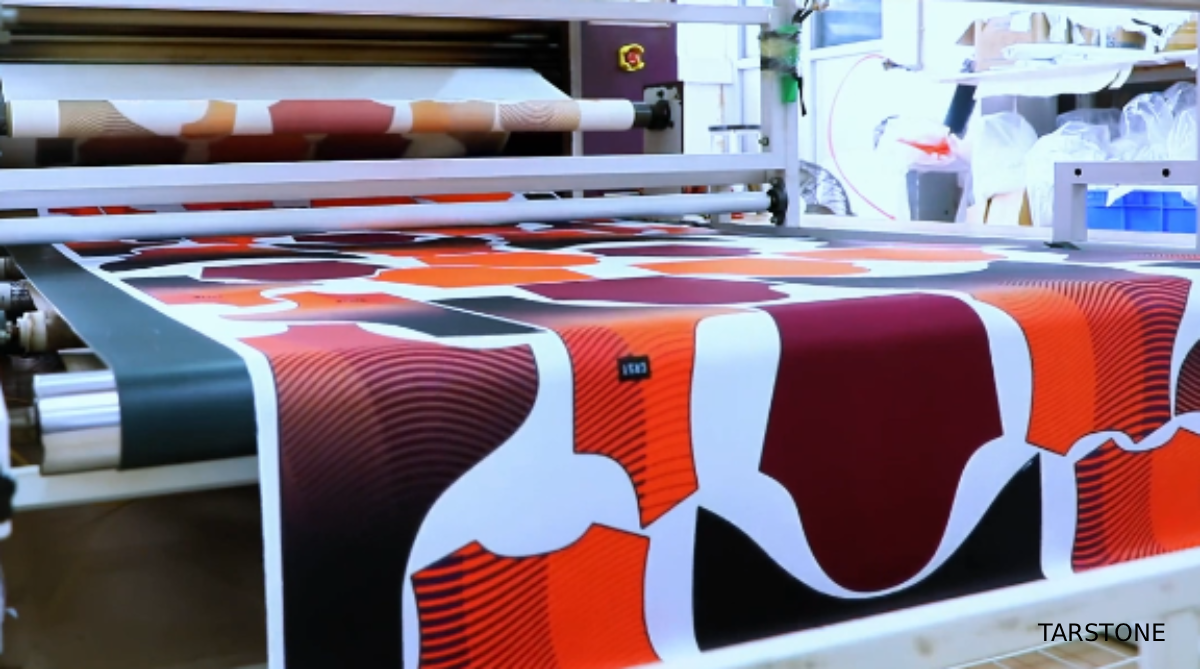
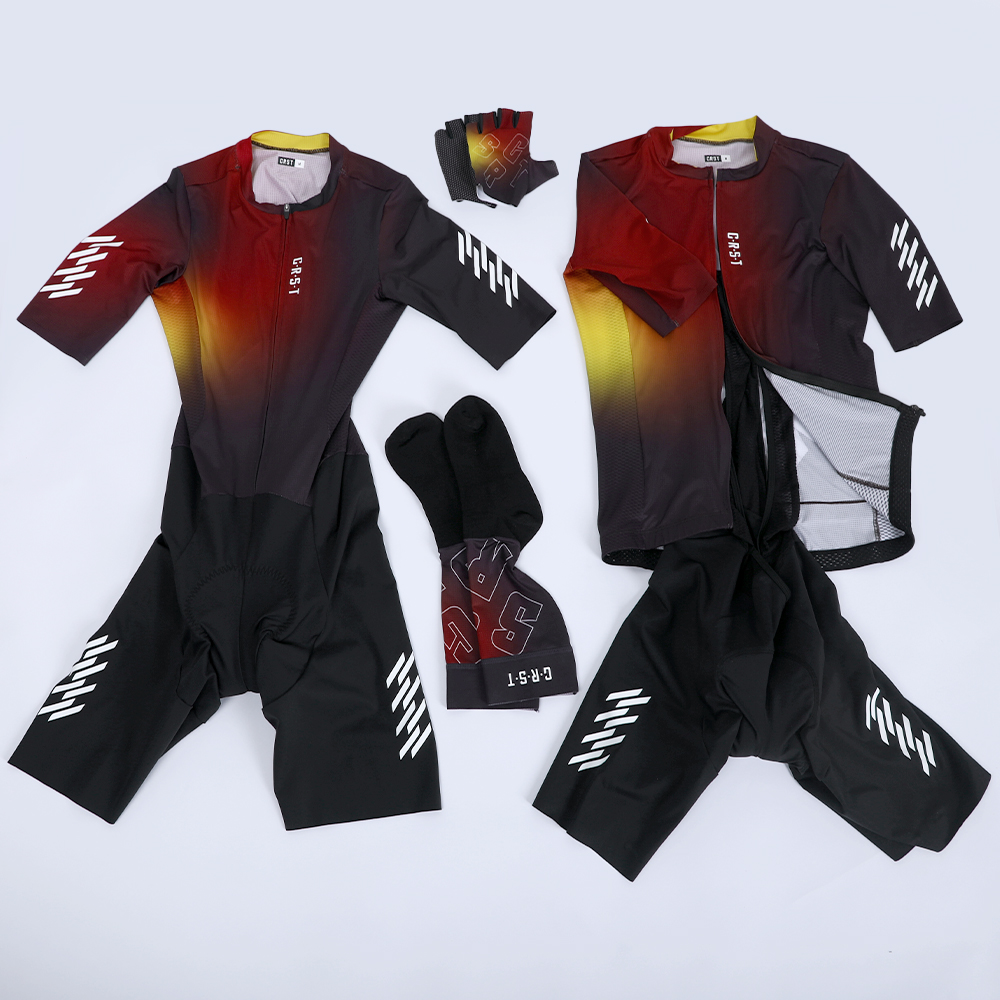
With positioning set, you can design with intent. Most new brands do not need fifty SKUs; a focused first drop of two or three jerseys plus bib shorts and one accessory is enough to test the market. Build a mood board first—pull colors, patterns, and references that match your positioning—then translate it into a consistent palette so the range; sublimation prints can carry edge-to-edge artwork, which is exactly where custom kit shines against off-the-shelf options.
Design also means fit and function, not just graphics. Decide your cuts(race vs club fit), your chamois level for shorts, and your fabric zones before you brief a factory. If you want inspiration on color and pattern direction that performs well in the market, our cycling kit design trends & color psychology piece breaks down what is working right now. And because fabric is the quiet hero of every great kit, pair this step with our ultimate cycling jersey fabric guide so your design choices are grounded in what actually performs.
Choose a Production Model: OEM, ODM, or White Label
One of the most confusing early decisions is what kind of manufacturing relationship you want, and the answer shapes your cost, your control, and your speed. White label is the simplest: you take a factory's existing style and put your logo on it. It is fast and cheap to start, but it offers almost no differentiation, which makes building a real brand hard. ODM means the factory provides proven base designs and you customize colors, graphics, and some specs — a strong middle ground for new brands that want a professional product without designing from zero. OEM is true custom: you supply the tech pack, and the factory builds to your specification, giving maximum control over fit, fabric, and detail, which is what serious brands ultimately want.
For a brand with design ambition, ODM-to-OEM is a common ramp: start with a factory's refined base patterns, learn what sells, then move to full custom as volumes grow. Knowing which model fits your stage prevents two expensive mistakes — over-investing in custom tooling too early, or staying on white label so long that you never build a distinguishable brand.
Pick the Right Manufacturer
Your manufacturer is the most important partner you will choose, so evaluate them as an investor would. Ask for real, stitched samples rather than catalog photos — a sample reveals fabric quality, stitch consistency, and print sharpness that a PDF never will. Confirm the minimum order quantity per design and per size, because low MOQs let you test more designs with less risk, which matters enormously for a first launch. Check their fabric library and mill partners, their certification and workplace standards if that matters to your positioning, and their communication responsiveness, since a slow factory quietly kills your launch timeline.
The right partner also guides you rather than just obeying specs. A good manufacturer will flag a fabric that will fade, suggest a chamois for your use case, and help you avoid a tech-pack error before it becomes a thousand defective jerseys. Our dedicated how to Choose a Cycling Apparel Manufacturer guide goes deep on the exact questions to ask and red flags to avoid during this step. If you are weighing cost early on, a custom cycling apparel cost breakdown shows where the money actually goes so you can budget realistically.
From Tech Pack to Delivery: The Production Workflow
Once you have a manufacturer, production follows a predictable sequence, and knowing it stops most surprises. It begins with a tech pack or design brief: your artwork, sizes, fabric choices, and construction notes. The factory then makes a pre-production sample for your approval — this is the moment to check fit and print before committing. After sign-off, you place the bulk order; the factory sources fabric, cuts, prints via sublimation, sews, and runs quality control. Finally, goods are inspected, packed, and shipped to you or your fulfillment partner.
Build a buffer into your calendar. Sampling often takes one to three weeks, and bulk production another three to six weeks, depending on order size and season — gear your launch date to the delivery date, not the other way around. Clear, documented approvals at each stage are your insurance: a written "sample approved" prevents the endless "but I thought..." that causes delays and disputes. Treat the workflow as a relay where you hand off clean information and the factory hands back a finished product.
Launch and Grow
A great first drop means little if nobody sees it, so plan the launch like a product, not an afterthought. Price for your tier while protecting margin after sampling, shipping, and returns — and resist the urge to underprice so low you cannot reorder. Use social platforms where cyclists already gather to tell the story behind the kit: the design inspiration, the fabric science, the team you built it for. Early momentum often comes from your own community — clubs, local rides, and ambassadors who wear and vouch for the brand.
Growth then comes from listening. Track which design sold out, which size ran short, and what riders actually said after a month of washing and riding — that feedback is gold for collection two. Brands that survive past the first drop are the ones that treat launch one as research, not a finale, and that keep their manufacturer close so collection two is faster and sharper than the first.
FAQ - Starting a Cycling Apparel Brand
"How much does it cost to start a cycling apparel brand?"
Costs vary widely with model and volume. White-label can start small, while a custom OEM drop with sampling, fabric, and a modest first order typically runs into the low thousands rather than tens of thousands if you keep the first collection tight. The biggest levers are MOQ, fabric choice, and how many designs you sample — our cost breakdown guide shows where each dollar goes.
"What is the minimum order quantity for custom cycling clothing?"
MOQ depends on the manufacturer and the product. Some factories accept very low per-design minimums for sublimated kits, which is ideal for testing a new brand; others require larger runs. Low MOQ is worth prioritizing early because it lets you launch more designs with less risk and reorder based on real demand.
"Should I choose OEM, ODM, or white label?"
It depends on your stage and ambition. White label is fastest and cheapest but least distinctive; ODM gives a professional product with customization and is a great starting point; OEM delivers full control for brands with a clear design vision. Many brands begin with ODM and move to OEM as they grow.
"How long does production take?"
Sampling usually takes one to three weeks, and bulk production another three to six weeks, depending on order size and season. Always schedule your launch from the expected delivery date and build in a buffer for revisions.
"Can I start a cycling brand with just one or two designs?"
Yes, and it is often the smartest move. A focused first drop of one or two jerseys plus bib shorts lets you validate the market, learn production, and protect cash before expanding the range. You can always grow the collection once you know what sells.
Launching a successful custom cycling apparel brand is a systematic process rather than a random trial and error. Clear brand positioning, targeted small-scale initial collections, and matching the right production mode (White Label / ODM / OEM) to your business stage can greatly reduce startup risks and unnecessary capital waste.
Choosing a reliable professional cycling apparel manufacturer is the core link between your design draft and finished products. Factory fabric resources, sample quality, MOQ policy, and production cycle will directly determine your brand’s market competitiveness and launch progress.
As an experienced cycling apparel OEM & ODM manufacturer with a complete fabric library, an independent sampling workshop, and stable bulk production capacity, we provide one-stop solutions for new cycling brand founders, covering design support, custom sampling, low MOQ mass production, and global shipping.
Contact us to get a free brand launch consultation and a custom cycling kit production quotation.
Email: amytong@tarstone.com
WhatsApp: +86 150 5417 8785
Website: www.tarstone.com
Custom Cycling Kit Design Inspiration: 10+ Team Jersey Ideas for 2026
The Ultimate Cycling Jersey Fabric Guide: Selecting the Right Material for Your Brand