Graphene Applications in Performance Sportswear
Graphene has attracted attention in the sportswear industry as researchers and material developers explore new ways to improve the properties of performance fabrics. Its use in sportswear has raised interest in areas such as heat management, moisture control and fabric performance.
For sportswear brands, however, using a new material is not simply a matter of following a trend. The important questions are how graphene is incorporated into a fabric, what difference it makes to the finished material and whether those characteristics are useful for the intended garment.
Running, cycling and triathlon apparel all have different requirements. A fabric that works well for one type of garment may not be the right choice for another. Understanding how graphene-based materials behave in different textile constructions is therefore an important part of evaluating their potential in sportswear.
Why Graphene Is Being Used in Sportswear Development
Graphene is a carbon-based material known for its thermal, electrical and mechanical properties. These characteristics have made it a subject of research in several industries, including textile development.
In sportswear, researchers are interested in whether graphene-based materials can influence the way conventional fabrics manage heat, moisture and everyday wear. Polyester and nylon remain widely used in performance clothing because they can be made into lightweight, flexible fabrics suitable for different sports. Graphene offers another approach to developing these materials and exploring additional fabric properties.
This is particularly relevant during physical activity. The body produces heat and perspiration, while clothing is constantly moving and stretching with the wearer. Fabrics need to provide suitable comfort without restricting movement or losing their intended characteristics through repeated use.
Graphene-related research has therefore focused on how the material interacts with textile structures and whether it can contribute to particular fabric properties. However, not every graphene-based fabric behaves in the same way. Its performance depends on the material used, the application process and the construction of the fabric itself.
For sportswear brands, this means that the presence of graphene should be considered a material characteristic rather than an automatic indication of better performance.
How Graphene Is Incorporated Into Sportswear Fabrics
Graphene-based materials can be introduced into textiles through different processes. The approach used depends on the type of material, the fabric construction and the intended application.
One method is surface coating. In this process, a graphene-based formulation is applied to an existing fabric. The coating process and the way it bonds to the textile can affect the finished material. For sportswear, flexibility and surface feel are important because the garment needs to move comfortably with the body.
Printing is another approach. Graphene-based materials can be included in printing formulations and applied to selected areas of a fabric. The pattern and placement of the printed material can influence how the fabric behaves. This also gives material developers more control over where the material is applied.
Graphene-based materials can also be introduced during the development of the polymer used to produce fibers. Rather than applying the material to a finished fabric, this approach incorporates it earlier in the production process. The resulting material can then be used to produce fibers and fabrics.
These processes are different, and their results should not be treated as interchangeable. A printed fabric may behave differently from a coated textile or a fabric made with graphene-containing fibers.
For brands considering graphene sportswear, understanding the application method is an important starting point. It helps explain what kind of material is being used and what information should be checked before selecting it for a particular product.
What Graphene Can Mean for Sportswear Fabric Performance
Much of the interest in graphene sportswear comes from the possibility of influencing fabric performance. Research has examined several areas, including heat transfer, moisture management and mechanical properties.
However, the results depend on the complete fabric rather than graphene alone. Fiber composition, fabric construction, material placement and finishing processes can all affect the final performance.
Heat Management
Graphene is known for its ability to conduct heat, which has led researchers to investigate its potential use in fabrics designed for thermal management.
In sportswear, heat management is not simply about transferring heat through a material. The garment's thickness, breathability, fit and surrounding conditions also affect how comfortable it feels during exercise.
A fabric that transfers heat more effectively does not necessarily make the wearer feel cooler in every situation. Its actual behavior needs to be considered alongside the other characteristics of the fabric and the conditions in which the garment will be used.
This is why thermal performance should be evaluated through relevant testing rather than assumed from the presence of graphene.
Moisture Management
Perspiration management is another area of interest in graphene-based fabrics. During exercise, moisture needs to move through the fabric and evaporate. The way this happens depends on the fiber composition, fabric structure and surface characteristics.
Some research has explored whether graphene printing or other applications can influence moisture absorption, spreading and drying behavior. However, results vary between different fabric constructions.
For sportswear brands, the important point is to understand how a particular fabric performs rather than assume that every graphene-based material will dry faster or move moisture away from the skin more effectively.
Fabric Strength, Flexibility and Comfort
Sportswear fabrics are exposed to repeated stretching, bending and friction. These conditions are particularly important for close-fitting garments such as cycling jerseys, running tops and triathlon suits.
When graphene-based materials are introduced into a textile, the effect on the fabric's flexibility, surface feel and mechanical properties needs to be considered. The application should not compromise the movement and comfort required by the finished garment.
A material may show promising results in one test but still need further evaluation before it is suitable for a particular sportswear product. The overall fabric performance matters more than any single characteristic.
What Research Shows About Graphene Sportswear
Research into graphene-based sportswear fabrics provides useful insight into how different applications can influence the finished textile.
A 2023 study published in Materials examined two elastic polyester fabrics with different printed graphene patterns. The study, titled "Comparative Analysis of Elastic Polyester Sportswear Fabrics with Printed Graphene Patterns," compared a honeycomb pattern with a spider-web pattern.
The researchers examined the fabrics' thermal behavior, moisture management, mechanical properties and wearing comfort.
The results showed that the spider-web pattern performed better in air permeability, drying time and several moisture management measurements. The honeycomb pattern, on the other hand, showed faster heat dissipation along the printed graphene pattern. The study did not find significant differences in the overall mechanical properties of the two fabrics.
These findings are useful because they show that the way graphene is applied can influence how a sportswear fabric performs. Even when the base material is similar, differences in the printed pattern can lead to different results.
However, the findings relate to the two specific polyester fabrics tested in the study. They should not be taken as proof that every graphene-based sportswear fabric will provide the same characteristics. Other materials, application methods and fabric constructions may produce different results.
For sportswear brands, this research highlights the importance of looking beyond a material's name. Understanding how it is applied and reviewing the actual test results provide a more reliable basis for deciding whether it is suitable for a product.
Graphene Applications in Running, Cycling and Triathlon Apparel
Graphene-based materials may be considered for different types of sportswear, but the requirements of each garment need to be taken into account.
In running apparel, lightweight construction, breathability and comfort during repeated movement are important. Running shirts and singlets are often worn in warm conditions, making moisture management and fabric feel relevant when selecting materials. A graphene-based fabric may be worth evaluating for these garments if its tested properties match the intended use.
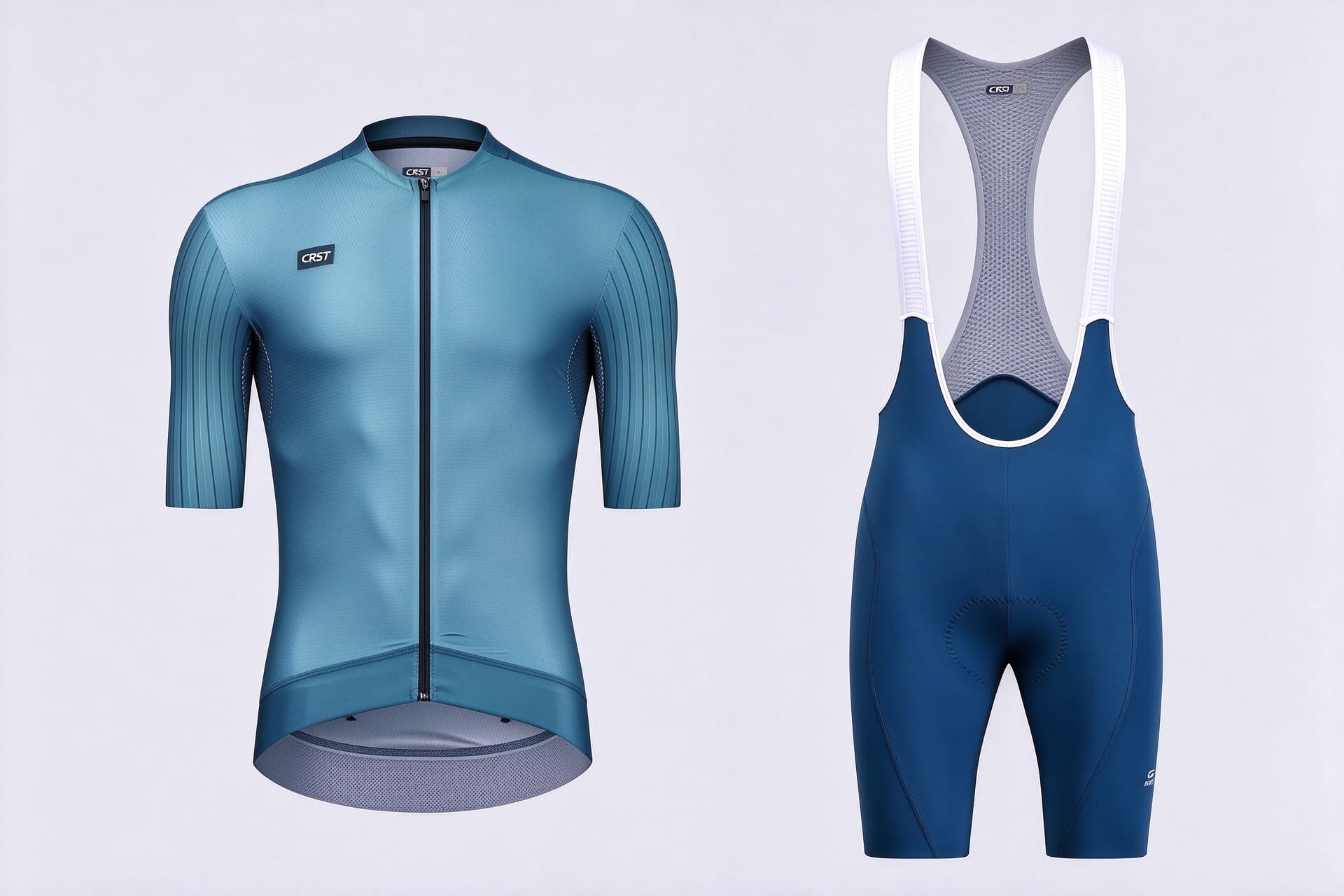
Cycling apparel has different requirements. Cycling jerseys are generally close-fitting, so fabric stretch and recovery are important for maintaining a comfortable fit while riding. The material also needs to move with the rider without becoming restrictive. When considering graphene-based fabrics for cycling clothing, brands should look at how the material affects flexibility, surface comfort and the overall construction of the garment.
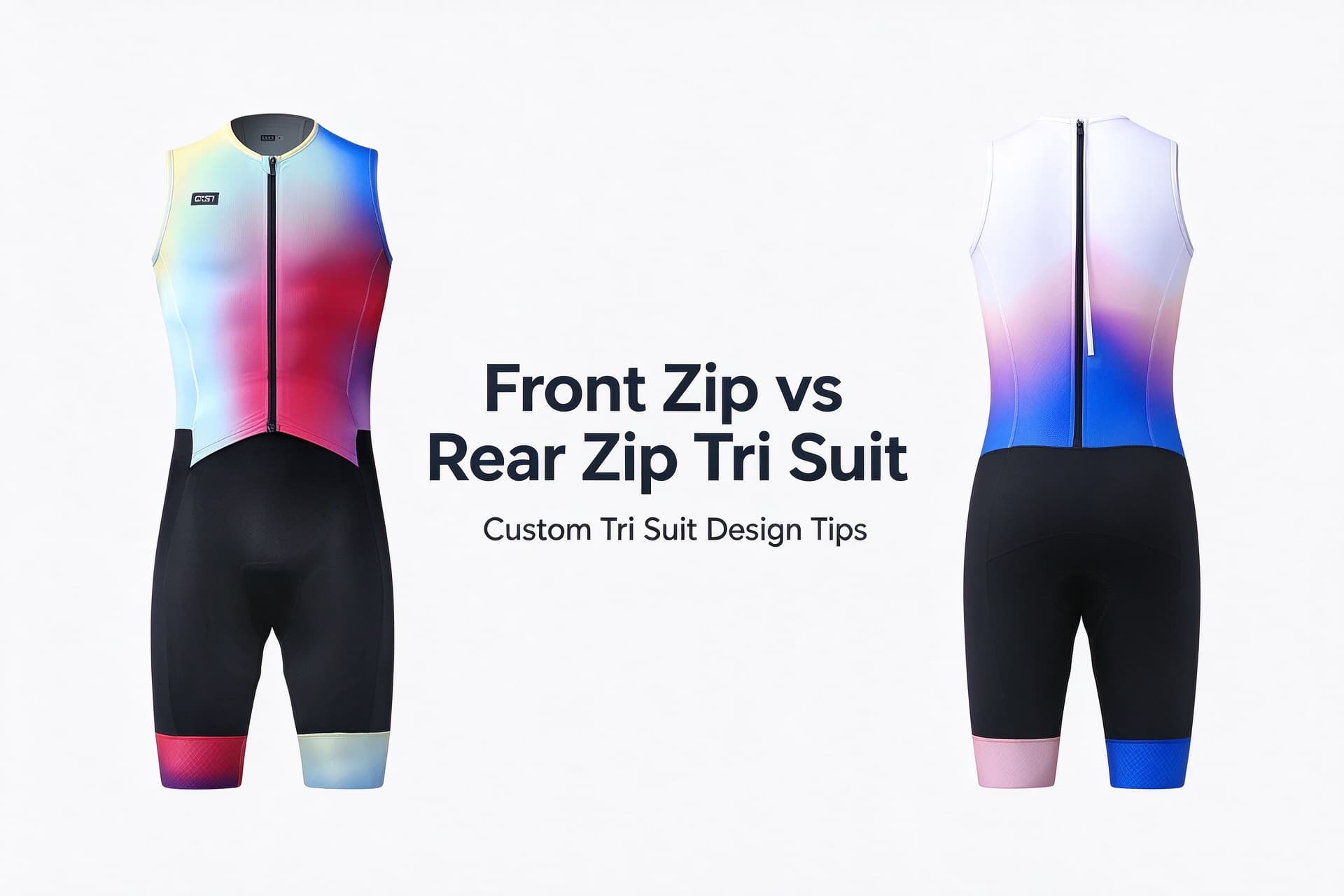
Triathlon apparel needs to work across swimming, cycling and running. The fabric must be suitable for different stages of activity, including changes between wet and dry conditions. Stretch, weight, surface characteristics and comfort all need to be considered when evaluating a material for a triathlon suit.
These differences show why material selection should start with the intended garment. A fabric should not be chosen simply because it contains graphene. Its verified characteristics need to match the demands of the sport and the way the finished clothing will be worn.
What Sportswear Brands Should Consider Before Using Graphene Fabrics
For brands interested in developing graphene sportswear, understanding the material is only the first step. The next step is to determine whether the fabric is suitable for the intended product.
The first thing to check is the fabric composition. Brands should ask suppliers what type of graphene-based material is used, which fibers make up the fabric and how the graphene is incorporated. These details help clarify what is actually being offered and make it easier to compare different material options.
Test documentation is equally important. If a supplier describes a fabric as having improved thermal management, moisture control or durability, brands should ask for supporting test information. It is useful to know which properties were measured, how the tests were conducted and under what conditions the results were obtained.
The fabric should also be evaluated according to the garment being developed. For fitted sportswear, stretch and recovery are important considerations. For warm-weather running apparel, breathability and moisture management may deserve more attention. These characteristics need to work together to provide a suitable wearing experience.
Washing performance should not be overlooked either. Sportswear is worn and washed repeatedly, so any coating, print or other functional application needs to be assessed for its stability over time. Brands should check whether relevant properties have been tested after repeated washing rather than relying only on the initial fabric results.
Finally, fabric samples should be evaluated in a finished garment. A material may feel suitable as a small swatch but behave differently after cutting and sewing. Panel placement, seams, garment fit and movement can all affect the final result.
For this reason, material selection should involve both fabric evaluation and finished-product assessment. The aim is to make sure the material works as intended in the actual sportswear product, not just in its original sample form.
Graphene-Based Fabric in Tarstone Running Apparel
The development of graphene-based sportswear reflects the wider interest in exploring different materials for performance clothing. For brands, the value of these materials depends on their actual composition and how they perform in the finished garment.
Tarstone's running apparel range includes a running vest made with graphene-containing fabric. The product provides an example of how this type of material can be used in a finished running garment.
The specific method used to incorporate graphene into this fabric and its performance characteristics should be confirmed through the relevant material documentation and test information. Without those details, it would not be appropriate to attribute particular heat management, moisture control or durability benefits to the product.
For sportswear brands developing running, cycling or triathlon apparel, the same principle applies. A material description is only the starting point. Its composition, application method and tested properties need to be understood before deciding whether it is suitable for a particular garment.
As interest in graphene sportswear continues, careful material evaluation remains important. The most suitable fabric is not necessarily the one with the newest material name, but the one whose verified characteristics meet the needs of the finished product.
Graphene fabric performance cannot be judged by material labeling alone. Application technique, base textile construction, test conditions and wash stability all shape the final comfort and functional effect during training and racing.
Coating, printing and fiber compounding are three common integration routes, and they deliver distinct results. Functional claims on heat dissipation or moisture wicking must be backed by standardized testing rather than brand marketing descriptions.
Tarstone provides full OEM & ODM sportswear development: custom running, cycling and triathlon apparel, fabric validation, fit iteration, sublimation print and bulk manufacturing for performance sportswear brands and teams.
Ready to explore graphene fabric options for your apparel line? Request formal quotation today.
Email: amytong@tarstone.com
WhatsApp: +86 150 5417 8785
Website: www.tarstone.com