How to Customize Professional Cycling Apparel for Cycling Teams | Tarstone OEM Case Study
Have you ever watched the Tour de France and marveled at how every rider on a team wears perfectly matched gear? It looks incredibly professional, but have you ever wondered how it all comes together? Many people assume teams simply partner with well-known brands, but in reality, the process of creating custom apparel is often handled by other companies behind the scenes.
Surprisingly, not all brands manufacture their own products. Instead, they usually collaborate with Original Equipment Manufacturers (OEMs). You can think of an OEM as a skilled baker who supplies delicious cakes to multiple coffee shops; each coffee shop adds its own logo to the cake, but all cakes come from the same baker. That's the fundamental difference between OEM and private-label cycling apparel: the brand you see isn't always the factory that made it.
Companies like Tarstone have emerged precisely under this model. As an OEM, Tarstone operates as a professional factory, crafting high-performance apparel for teams and brands in need of a reliable cycling wear manufacturer. This approach allows even smaller clubs without production lines to easily obtain professional-quality cycling apparel. Let's lift the veil on cycling wear factories step by step and explore what teams should focus on.
1. Introduction: Why Custom Professional Cycling Apparel Matters for Teams
Professional cycling is a sport where every detail impacts performance. Generic off-the-shelf apparel fails to address the unique needs of teams: ill-fitting designs restrict movement, low-quality fabrics cause discomfort during long rides, and a lack of customization erodes team unity.
Custom professional cycling apparel solves these pain points by offering three core benefits:
- Performance Enhancement: Tailored fits, technical fabrics, and discipline-specific features (e.g., aero cuts for road racing, relaxed fits for gravel rides) optimize comfort and reduce drag, giving riders a competitive edge.
- Team Identity & Unity: Custom colors, logos, and designs turn individual riders into a cohesive unit, fostering pride and camaraderie. Even small details—like hidden team symbols or personalized names—strengthen the team bond.
- Sponsor Visibility: For professional and semi-professional teams, custom apparel is a critical asset for sponsor activation. Strategic logo placement ensures sponsors receive maximum exposure in races, photos, and on social media, while maintaining a clean, professional look.
2. Tarstone OEM's Customization Process: From Idea to Final Product
As a professional cycling apparel OEM with over 14 years of experience, Tarstone has refined an end-to-end customization workflow designed to meet the unique needs of teams of all sizes—from small local clubs to professional squads, and even corporate cycling teams. This process prioritizes clarity, flexibility, and quality, ensuring every team's vision is translated into high-performance, professional gear without unnecessary complexity. Below is a detailed breakdown of how Tarstone turns a team's initial idea into a finished, wearable product.
2.1 The Customization Process with Tarstone OEM
Tarstone's streamlined customization process eliminates the guesswork and stress often associated with custom team apparel. Designed to be collaborative and transparent, it guides teams through every step—from sharing a basic concept to receiving the final order—with dedicated support at each stage. Here's the step-by-step workflow, which is applicable to any cycling team looking to create custom gear:
1 Step 1: How to Integrate Your Team Style into Cycling Apparel Design
Every exceptional team cycling jersey starts not with complex software design, but with a simple idea. You don't need to be a graphic designer to begin the custom cycling apparel process. Manufacturers like Tarstone only require you to provide some core information: your team logo (even a draft), your desired colors, and instructions for sponsor logo placement. It's more about sharing the inspiration in your mind than delivering a finished product.
To transform these initial ideas into products the factory can actually produce, designers create a key document called a "tech pack." The easiest way to understand a tech pack is to think of it as the official blueprint for your apparel. This detailed guide covers everything from precise Pantone color codes (ensuring your team's red is uniquely yours) to the exact position and size of each logo. It eliminates all guesswork, ensuring what you see on the screen is exactly what you'll wear on the road.
This is the true value of collaboration in the cycling team apparel design process. You don't need to design the technical plan yourself. Instead, you'll work directly with Tarstone's in-house designers, who are experts at turning creativity into unique cycling apparel patterns. They understand how designs stretch and fit a rider's body, and they can provide advice to ensure your team jersey looks balanced, professional, and race-ready—whether you're aiming for a sleek, minimalist look or a bold, eye-catching design.
The result of this teamwork is a stunning digital mockup, just like the one you'd see here, which clearly shows how your jersey and shorts will look from every angle. Once the design looks flawless on screen, the next key question arises: what makes this high-tech apparel different from an ordinary T-shirt? It all comes down to professional fabrics and a rider-centric fit.
2 Step 2: Fabric & Fit: The Difference Between a $150 Cycling Jersey and a $20 T-Shirt
Unlike cotton T-shirts, which become heavy and sticky with sweat, professional cycling apparel is carefully designed to keep you comfortable. The secret lies in combining different fabrics based on the needs of different areas. For example, Tarstone often uses extremely breathable, nearly mesh-like fabrics on the back and underarms for heat dissipation, while using smoother, denser fabrics on the front and shoulders to enhance aerodynamic performance. Classifying cycling apparel fabrics is simple: some focus on breathability, others on wind resistance—both of which are crucial for improving a cycling jersey's aerodynamics.
Equally important as fabric is the fit, which typically falls into two categories: race fit and casual fit. A race fit cycling jersey fits like a second skin, cut close to the body to prevent fabric from flapping in the wind, thereby maximizing speed—ideal for competitive racing teams. A casual fit, on the other hand, features a looser cut. It's still designed for cycling but with more room, prioritizing all-day comfort—perfect for recreational team rides, charity events, or coffee breaks, rather than pure race performance.
This focus on cycling comfort extends below the waist, which is why most serious cyclists prefer bib shorts over traditional shorts. Bib shorts have no elastic waistband that digs into your stomach when you lean over; instead, they're held in place by suspender-like straps. This eliminates waist pressure, which is especially important during long rides. Tarstone offers a variety of options for custom cycling bib short chamois—the professional term for the pad—so you can choose the right level of cushioning based on your riding distance, whether you're taking short weekly rides or multi-day tours.
But even the best fabrics and fit are only half the battle. How can those vibrant team patterns be printed on these high-tech fabrics without cracking, fading, or sacrificing breathability? The answer is not screen printing, but a more advanced technology that Tarstone has mastered.
3 Step 3: Sublimation Printing: The Magic Behind Clear, Durable Patterns on Professional Cycling Apparel
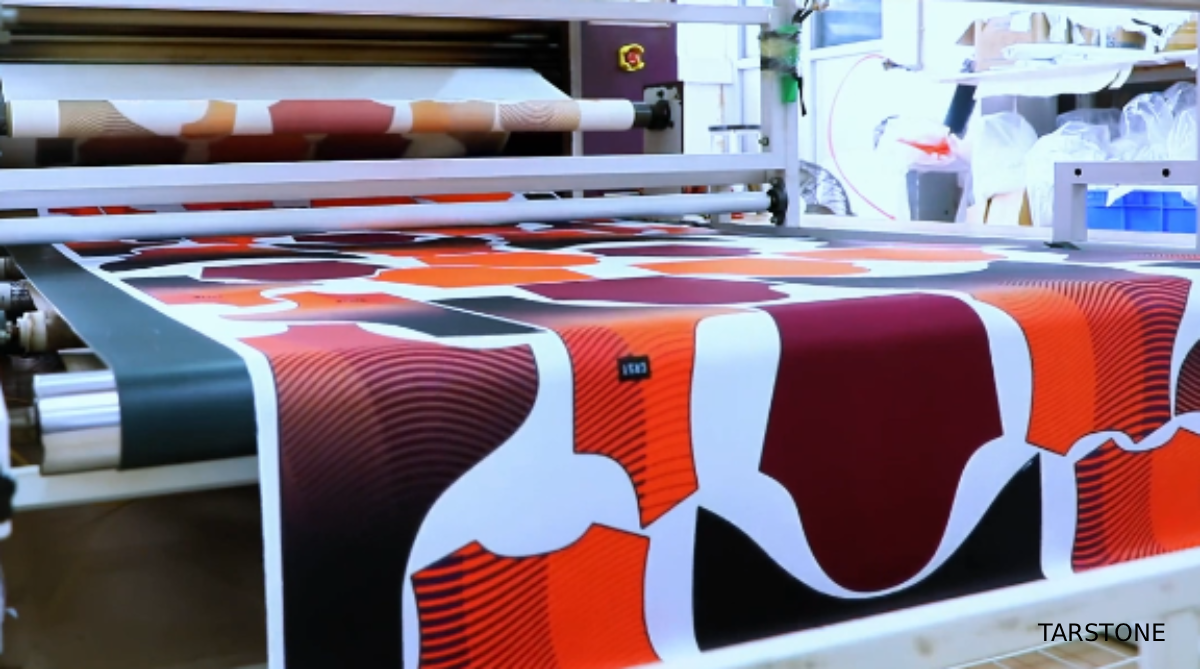
The secret behind these vibrant, long-lasting patterns is a process called sublimation printing. Think of an ordinary printed T-shirt: the design is essentially just a thin layer of ink covering the fabric surface. That's why it eventually cracks or becomes stiff. Sublimation printing works entirely differently. Instead of printing on the fabric, this method uses heat and pressure to convert solid ink into gas, which integrates directly into the polyester fibers. It's not like a sticker—it's more like "tattooing" the fabric itself.
This fusion of ink and fibers makes sublimation printing ideal for cycling apparel, especially high-performance sportswear. Since the pattern is fully integrated into the fabric, there's no cracking, peeling, or fading. This process is the key to creating durable, professional-grade, one-of-a-kind cycling apparel that can withstand the rigorous demands of custom cycling wear—from harsh weather conditions to frequent washing.
For riders, perhaps the most important advantage is that this process preserves 100% of the fabric's performance. Because the ink seeps into the fibers rather than coating the surface, it doesn't clog the fabric's micropores. This means the cycling jersey remains highly breathable at all times, effectively wicking away sweat to keep you cool and dry—even during intense summer rides. However, seeing a digital design is one thing; feeling the final product is another. It's crucial to ensure the colors and fit are completely accurate before full production, which is why Tarstone prioritizes the sample stage.
4 Step 4: From Screen to Reality: Why Getting a Sample Kit Is Essential
The digital mockup of your team's cycling apparel may look flawless on screen—bright colors, clear logos, and an exciting design. But here's the issue: colors on a computer or phone screen rarely translate perfectly to fabric. The fabric's unique texture, light absorption, and even the sublimation printing process itself can have subtle effects on the color. A bright red on the screen may appear darker in real life. A sample is your only chance to see the true colors with your own eyes, ensuring they match your team's expectations before it's too late—and Tarstone makes this step seamless for every client.
Beyond color, fit and feel are also crucial—something photos can never capture. How does the cycling jersey feel when you lean over to grip the handlebars? Is the anti-slip strip on the cuffs comfortably snug, or too tight? At this stage of the cycling team apparel design process, you need to confirm that the apparel not only looks professional but also performs perfectly during long rides. Tarstone's physical samples allow riders to try them on, move around, and check for any potential comfort or performance issues before placing the official order—ensuring no surprises when the full order arrives.
Ultimately, you can think of the sample as the final quality control step and one of the best ways to avoid common mistakes in custom team apparel. It's your last chance to check for typos in sponsor names, adjust logo positions, or request different sizes before the factory produces dozens or even hundreds of pieces. Once you approve the sample, you can be confident that every jersey in the bulk order will be flawless. Once you give the go-ahead, full production begins.
5 Step 5: From One Piece to Many: The Final Steps for Team Gear
Once you've approved the sample and confirmed every detail is perfect, you can place the official order with Tarstone. At this point, your custom gear moves from a test sample to full production. Tarstone's factory now has the precise blueprint—the correct colors, logo positions, and fit—to replicate for your entire team. This is a transparent, well-communicated step, with Tarstone providing clear timelines so you know exactly when to expect your order.
This leads to a common question: "How many pieces do we need to order?" It depends on the manufacturer's Minimum Order Quantity (MOQ). Just like custom T-shirt printers have a minimum order quantity to start production, clothing factories also have an MOQ to ensure production efficiency. Fortunately, Tarstone offers flexible MOQs (as low as 5-10 pieces), making it easy for small clubs and corporate teams to order without overcommitting, while also helping to control the total cost of custom cycling apparel per person.
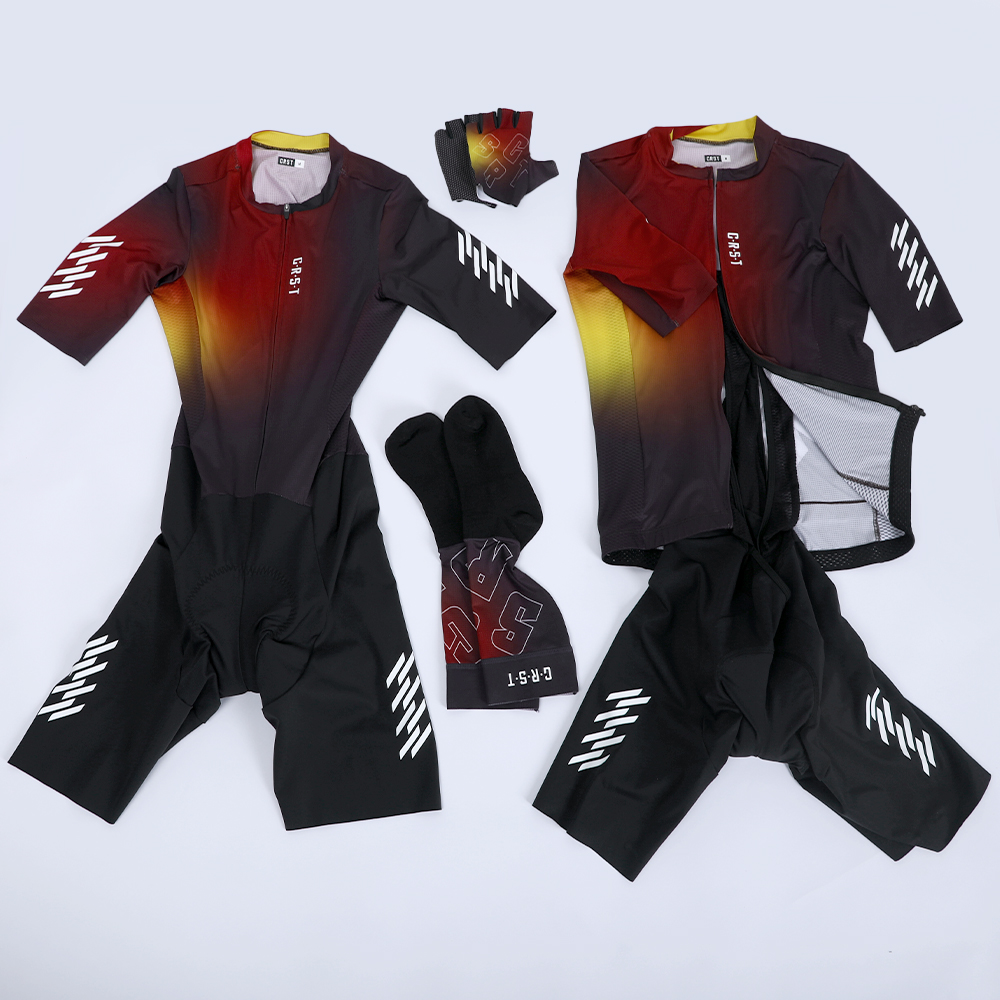
Once the quantity is confirmed, Tarstone's team begins crafting each of your cycling jerseys, adhering to strict quality control standards at every step to ensure they're as precise as the approved sample. A few weeks later, the moment you've been waiting for arrives: a box filled with your team's brand-new gear is delivered to your door. Nothing is more exciting than opening the box and seeing your unique design come to life. This is the final step in learning how to customize cycling apparel for your team, and the moment a simple idea becomes a tangible symbol of your team's unity and pride.
3. Key Lessons for Cycling Teams Customizing Professional Apparel (From Tarstone's Expertise)
Tarstone's years of experience working with cycling teams worldwide have yielded valuable insights for any team looking to customize professional cycling apparel. Here are Tarstone OEM's top tips, honed through countless successful custom projects:
3.1 Start with a Clear Brief
Define your team's purpose (racing, training, charity), functional needs (pockets, chamois, aero features), budget, and branding goals before you begin. A one-sentence brief (e.g., "We need a lightweight summer racing kit with clear sponsor visibility") can prevent 80% of disagreements later and help Tarstone's team deliver exactly what you need.
3.2 Prioritize Performance Over Aesthetics (But You Can Have Both)
A stylish kit is important, but it won't matter if it's uncomfortable or restricts movement. Focus on technical fabrics, a tailored fit, and functional features first—then work with Tarstone's designers to refine the design. Tarstone's expertise in balancing performance and style ensures you don’t have to choose between the two.
3.3 Choose the Right OEM Partner
Not all OEMs are created equal. Look for a partner with:
- Experience in cycling apparel (not just general sportswear) – Tarstone's 14+ years in the industry mean they understand the unique needs of cyclists and the technical requirements of different riding disciplines.
- Flexible MOQs – Critical for small teams (Tarstone's MOQ of 5-10 pieces is perfect for clubs and small squads).
- Responsive customer support – A dedicated contact ensures you have someone to answer questions and resolve issues quickly, keeping you informed throughout the entire process.
- Quality certifications – Strict quality control processes guarantee your kit is durable, comfortable, and professional-grade.
- Transparent pricing and timelines – No hidden fees or delays.
3.4 Don't Overlook the Details
Small details make a big difference:
- Gender-specific fits – Avoid generic unisex kits; a women's-specific pattern with a shorter torso and contoured shape ensures equal comfort for all riders.
- Logo placement – Follow a hierarchy (primary sponsor on the chest/upper back, secondary on the sleeves) to keep the design clean while maximizing sponsor visibility.
- Fabric care – Choose fabrics that are easy to care for (machine washable, quick-drying) to reduce team logistics burdens—critical for teams with busy training schedules.
3.5 Test the Prototype
Never skip the prototype stage. A physical sample allows you to test the fit, functionality, and design in real-world conditions—riding, stretching, and washing—to ensure it meets your team's needs. Tarstone's prototype process ensures you can make adjustments before mass production, saving time and money in the long run.
4. Why Tarstone OEM Is the Go-To Partner for Cycling Team Apparel Customization
Tarstone's reputation as a trusted cycling apparel OEM is built on decades of delivering high-quality, custom solutions for teams of all sizes. Here's what sets Tarstone apart from other OEMs in the industry:
- Expertise in Cycling Apparel: With over 14 years of experience focusing on cycling, mountain biking, triathlon, and running apparel, Tarstone understands the technical requirements of each discipline and can tailor solutions to your team’s specific needs—whether you're a road racing team, gravel squad, or recreational club.
- Flexible Customization: From small orders (MOQ 5-10 pieces) to large professional teams, Tarstone offers flexible customization options—fabrics, fits, designs, and branding—to match any budget and goal.
- Quality You Can Trust: Strict quality control processes and premium materials ensure your kit is durable, comfortable, and professional-grade. Tarstone's 99.1% on-time delivery rate and responsive customer support make the entire process seamless.
- End-to-End Support: Tarstone guides you through every step—consultation, material selection, design, prototyping, production, and shipping—so you don't have to manage multiple vendors. Their dedicated account managers ensure you're informed and satisfied at every stage.
- Global Reach: Tarstone ships to over 50 countries worldwide, with experience navigating international shipping, customs, and taxes—making them a reliable partner for teams around the globe.
5. Conclusion: Your Team's Custom Apparel Journey Starts Here
Custom professional cycling apparel is an investment in your team's performance, unity, and brand. With the right OEM partner like Tarstone and a clear, collaborative process, you can create a kit that checks all your boxes—functional, stylish, budget-friendly, and uniquely yours.
Whether you're a small club, a professional squad, or a corporate team, Tarstone OEM has the expertise, flexibility, and quality to bring your vision to life. From the initial consultation to the final delivery, Tarstone's team is committed to making your customization journey smooth, stress-free, and successful.
OEM vs ODM Cycling Apparel: What's the Difference?
How to Choose the Right OEM Cycling Jersey Manufacturer