How Cycling Teams Manage Apparel Reorders Throughout the Season
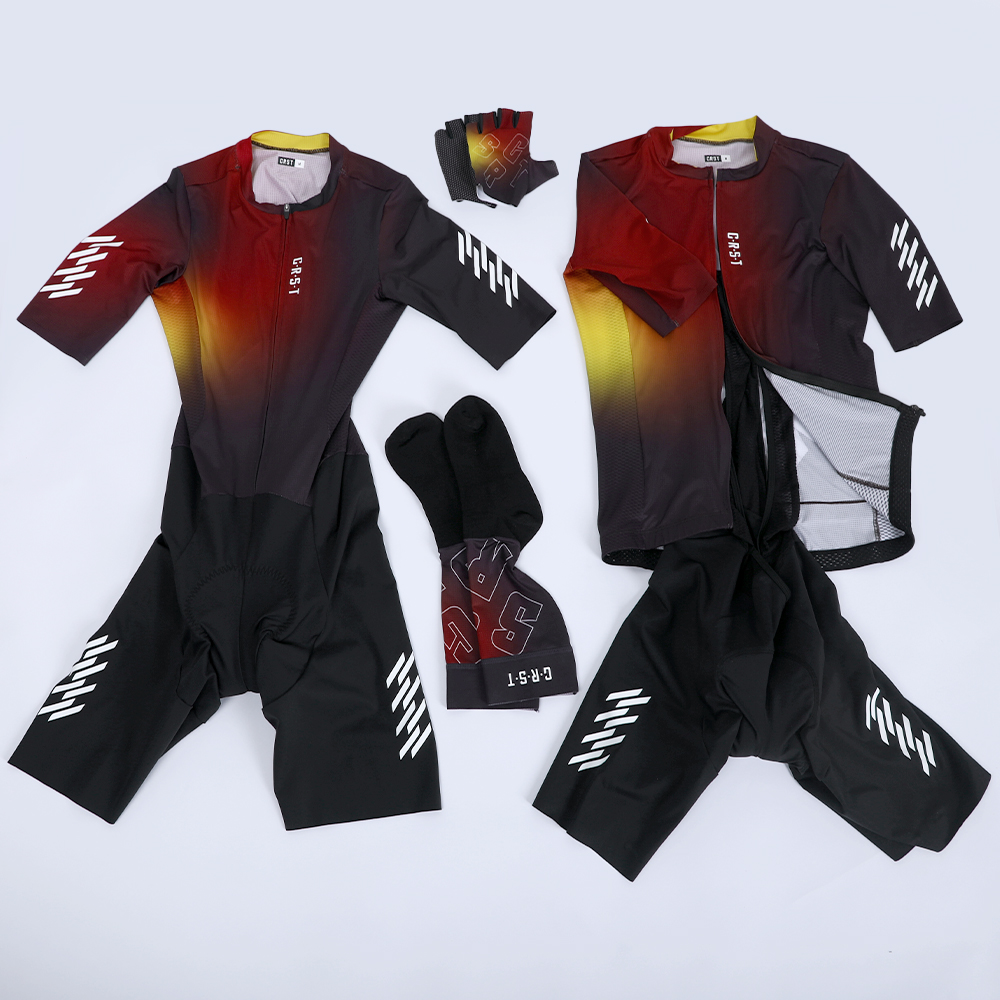
For professional cycling teams, apparel procurement is not a one-time purchase but a continuous supply system that runs throughout the entire season. After the initial production order is completed, the real challenge lies in managing reorders efficiently while maintaining product consistency and supply stability. For this reason, mature teams treat cycling apparel as part of a long-term supply chain rather than a single production cycle.
During a season, apparel demand is constantly changing. New riders may join the team, sponsorship requirements may be updated, and garments naturally wear out through training and competition. Without a structured reorder system, teams risk facing inconsistent uniforms, supply shortages, or visible differences between production batches, all of which can affect both performance and team image.
Reorders vs Initial Production: Why It Matters More
While the first order establishes the team's visual identity, reorders ensure the continuity of that identity throughout the season. In many cases, reorder stability is even more important than the initial production run, as it determines whether a team can maintain uninterrupted supply during critical race periods. Delays in reorder production can directly impact race readiness, especially when new riders need to be equipped quickly or when existing kits are no longer sufficient.
Typical Reorder Scenarios in Cycling Teams
Reorders are usually triggered by several operational scenarios.
One of the most common is new rider integration, where additional kits are required to maintain uniformity across the team.
Another is event-specific requirements, where teams may need adjusted or updated versions of existing designs for specific races.
Wear and replacement are also natural drivers of reorders, as high-intensity training and racing lead to garment degradation over time.
Finally, size adjustments often occur during the season, requiring additional production for better fit consistency.
How Manufacturers Ensure Reorder Consistency
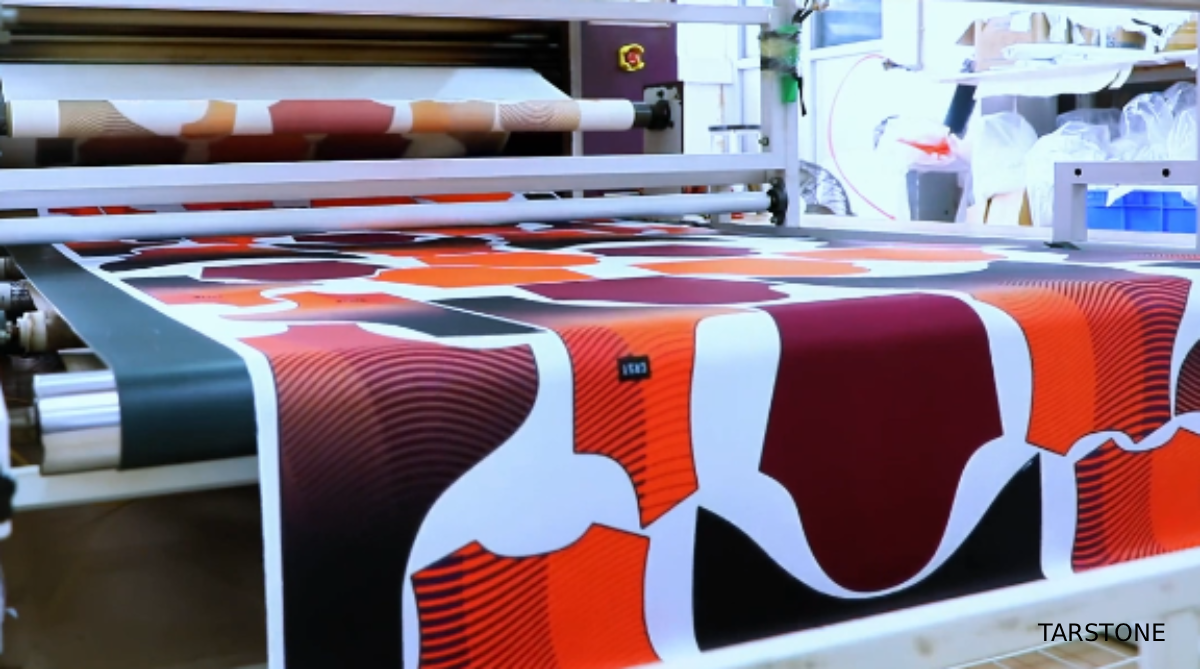
For manufacturers, the key to successful reorders is not redesigning products but precisely replicating previous production standards. After the initial order, professional factories create detailed production archives that include design files, fabric specifications, color references, and technical construction details.
These records allow all future reorders to be produced under identical conditions, ensuring consistency across multiple production batches.
Color and fabric consistency are particularly critical. Without strict control over dye lots and fabric sourcing, even slight variations can become visible when worn by a team as a group.
Reorder Categories and Production Prioritization
In-season reorders generally fall into different categories, each requiring different production priorities.
Urgent reorders are typically required before competitions or when unexpected roster changes occur, demanding fast turnaround times.
Planned reorders are scheduled based on inventory cycles and are usually consolidated for efficiency.
Small batch reorders address specific needs such as individual sizing replacements or minor restocking requirements.
Understanding these categories allow manufacturers to allocate production capacity more effectively and maintain delivery reliability.
Lead Time and Seasonal Planning
Lead time is one of the most critical factors in cycling team reorder management. Since race calendars are fixed, reorder schedules must align with competition timelines.
Instead of reacting to stock shortages, experienced teams adopt a rolling reorder strategy, planning multiple supply points throughout the season to ensure continuous availability.
From a manufacturing perspective, predictable reorder cycles allow better material planning and production scheduling, resulting in faster turnaround times.
Why Consistency Defines Professional Reorders
One of the most common challenges in reorder production is batch variation. Without standardized manufacturing control, differences in color tone, fabric elasticity, or fit may occur between production runs.
Although these variations may seem minor in isolation, they become highly noticeable when worn collectively by a team. To prevent this, professional manufacturers maintain dedicated production records for each team account to ensure full consistency across all reorder batches.
Long-term Manufacturing Partnerships
Modern cycling teams increasingly prefer long-term partnerships with manufacturers rather than transactional purchasing models.
This approach allows manufacturers to maintain complete production records, manage fabric continuity, and ensure faster reorder processing throughout the season. For teams, it reduces communication complexity and ensures reliable supply availability at all times.
Reorders as a Structured Supply System
Cycling apparel reorders are no longer simple repeat purchases. They have evolved into structured supply chain systems that support long-term team performance.
Through standardized design systems, consistent manufacturing processes, and long-term supplier partnerships, cycling teams can maintain uniformity, efficiency, and reliability throughout the entire season.
We help pro cycling teams build a stable in-season reorder supply system, archive all design & fabric files to keep batch consistency, support urgent small-batch reorder and seasonal rolling replenishment.
Contact us to customize an exclusive long-term reorder solution for your cycling team.
Email: amytong@tarstone.com
WhatsApp: +86 150 5417 8785
Website: www.tarstone.com
How Cycling Event Organizers Use Custom Cycling Apparel
How Cycling Brands Plan Custom Apparel Collections for a New Season