How to Choose Cycling Jerseys for Team Orders
Choosing cycling jerseys for team orders requires more than selecting a visually appealing design. It is a structured decision-making process that involves evaluating performance requirements, fabric characteristics, fit consistency, customization methods, and production considerations. For teams, clubs, and organizations, the goal is not only to obtain a uniform appearance but also to ensure that every member experiences comfort, durability, and functionality during actual riding conditions. A well-planned approach helps avoid common issues such as inconsistent sizing, unsuitable materials, or design mismatches, which can affect both performance and team identity.
A critical starting point in this process is understanding the purpose of the team order. Different cycling groups operate under different conditions, and these conditions directly influence what type of jersey is most appropriate. Some teams are primarily focused on competitive cycling, where aerodynamic performance and lightweight construction are essential. Others prioritize long-distance comfort or casual group rides, where breathability and relaxed fit may be more important. There are also organizations that emphasize branding and visual identity, where consistency in color, logo placement, and overall design becomes a key consideration. Defining the primary use scenario early allows the rest of the decision-making process to align with actual needs rather than assumptions.
Material selection plays a foundational role in determining how the jersey performs under real riding conditions. Cycling jerseys are typically made from synthetic performance fabrics that are designed to manage moisture, regulate temperature, and provide elasticity. Polyester-based materials are commonly used due to their ability to wick sweat away from the body and dry quickly, which helps maintain comfort during prolonged activity. In addition, the inclusion of elastic fibers improves stretchability, allowing the jersey to conform closely to the body without restricting movement. In team orders, fabric selection should balance durability, comfort, and suitability for the intended riding environment, as different climates and usage intensities may require different fabric properties.
Fit and sizing consistency are particularly important when ordering jerseys for multiple riders. Unlike individual purchases, team orders must accommodate a range of body types while maintaining a cohesive appearance. A well-structured sizing approach ensures that each member receives a jersey that fits properly, which directly impacts comfort and performance. In professional practice, teams often rely on standardized size charts, sample fittings, or pre-collected body measurements to reduce sizing discrepancies. Proper fit not only improves comfort but also contributes to aerodynamic efficiency by minimizing excess fabric movement during riding.
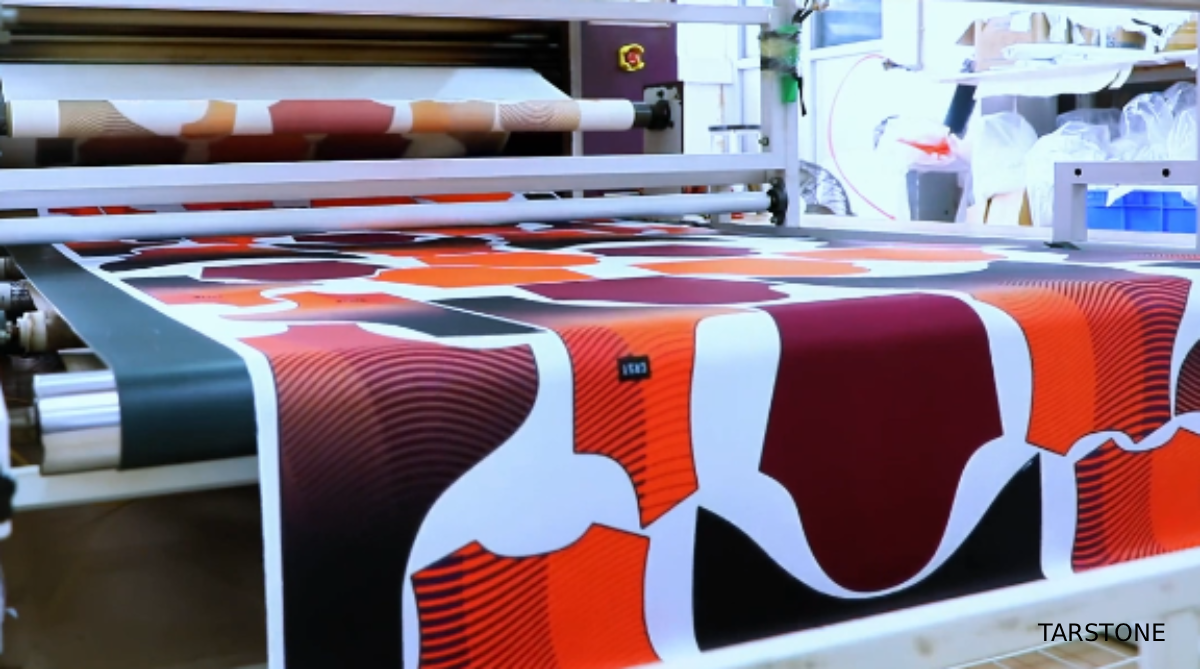
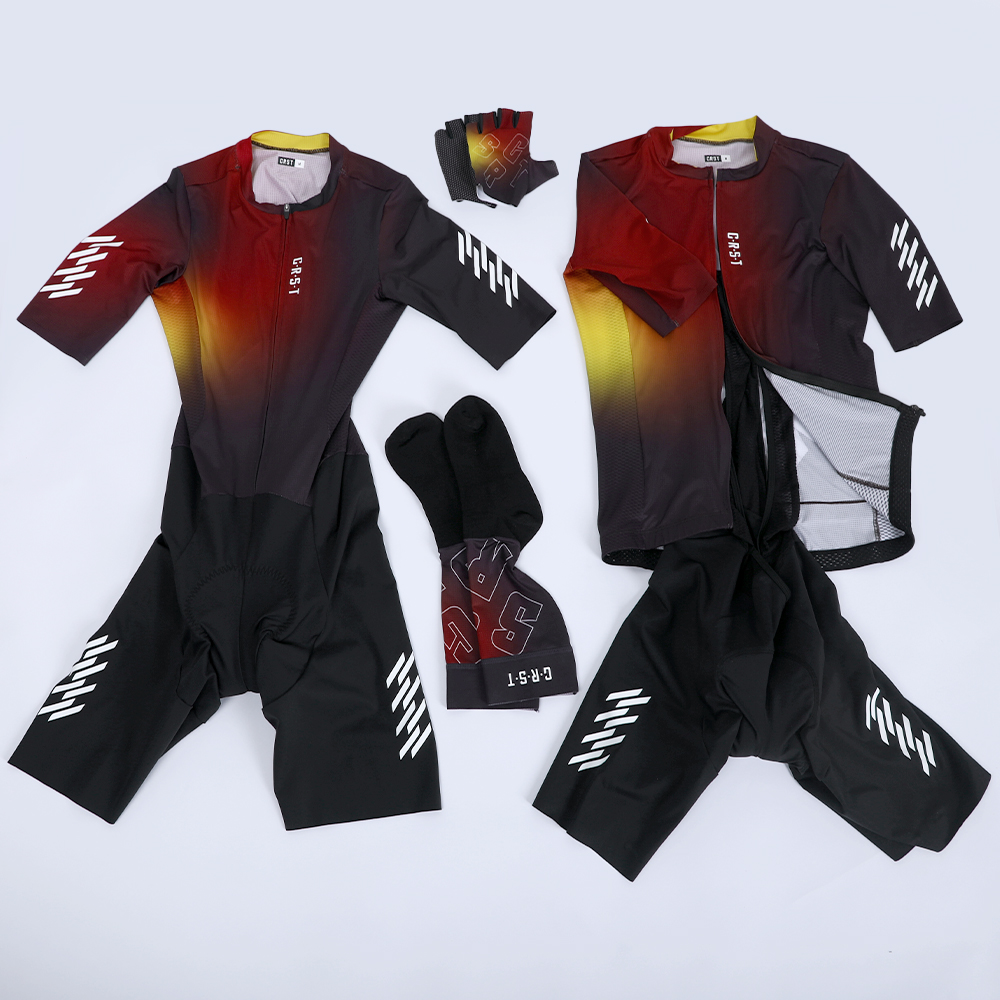
Customization is another essential aspect of team cycling jerseys, as it transforms functional apparel into a representation of team identity. Color selection plays a significant role in visibility and recognition, while logo placement contributes to branding consistency across the entire team. Distinctive colors such as purple can enhance visual differentiation, especially during group rides or events where clear identification is important. In addition, many teams choose to develop custom cycling jerseys that reflect their unique identity, combining specific colors, logos, and design elements to create a cohesive and professional appearance. Custom logos can be applied to various positions on the jersey, allowing teams to maintain a balance between aesthetics and branding. The design process should also consider both visual impact and practical factors such as durability and print clarity, ensuring that the final result remains consistent and suitable for long-term use.
For teams considering custom production, understanding manufacturing approaches is an important step. OEM and ODM represent two common production models that differ in terms of customization depth and development flexibility. OEM production allows teams to fully define the design, materials, and specifications, making it suitable for organizations with established branding requirements. ODM production, on the other hand, involves modifying existing designs, which can reduce development time and simplify the process while still allowing a degree of customization. The choice between these approaches depends on the team’s level of design readiness, budget considerations, and timeline constraints.
Budget planning is also a key factor in team orders, as the final cost is influenced by multiple variables including fabric selection, customization complexity, and production volume. While bulk production often reduces per-unit cost, higher customization levels or advanced materials may increase overall expenses. Teams should approach budgeting with a clear understanding of their priorities, ensuring that essential performance requirements are met without exceeding financial constraints. A balanced approach allows teams to achieve both functional quality and cost efficiency.
Before finalizing production, it is essential to confirm key details such as sample approval, color accuracy, logo quality, and delivery schedule. Reviewing a physical or pre-production sample allows teams to evaluate fabric feel, fit accuracy, and overall craftsmanship. Color matching should be verified carefully, especially when specific brand guidelines are involved. Clear communication with the supplier during this stage helps ensure that expectations are aligned and reduces the risk of discrepancies during mass production.
Conclusion
In conclusion, selecting cycling jerseys for team orders is a multi-dimensional process that involves balancing performance, comfort, design, and cost. By clearly defining team needs and carefully evaluating materials, fit, and customization options, teams can achieve a solution that supports both functionality and a consistent visual identity.
At the same time, working with an experienced manufacturing partner can further streamline the process from design to production, helping ensure consistent quality and reliable delivery for team cycling apparel.
New Side Zipper Cycling Tights for Cycling Teams and Custom Orders
Hi Visibility Cycling Jersey - Professional Choice for Safety and Comfort