What to Wear for Long Distance Cycling
In long distance cycling, what you wear is not just a matter of comfort. As ride duration increases, factors such as temperature fluctuation, moisture accumulation, and muscle fatigue begin to interact, directly influencing overall performance. Choosing what to wear for long distance cycling is therefore a strategic decision rather than a simple outfit choice.
Choosing what to wear for long distance cycling is not only about comfort, but also about how cycling apparel affects performance over extended rides. Understanding this relationship helps riders make more effective decisions when preparing for endurance cycling.
Layering Strategy: The Foundation of Long Distance Cycling Apparel
Instead of relying on a single garment, experienced riders approach long distance cycling through a layering system. This allows flexibility as conditions change throughout the ride.
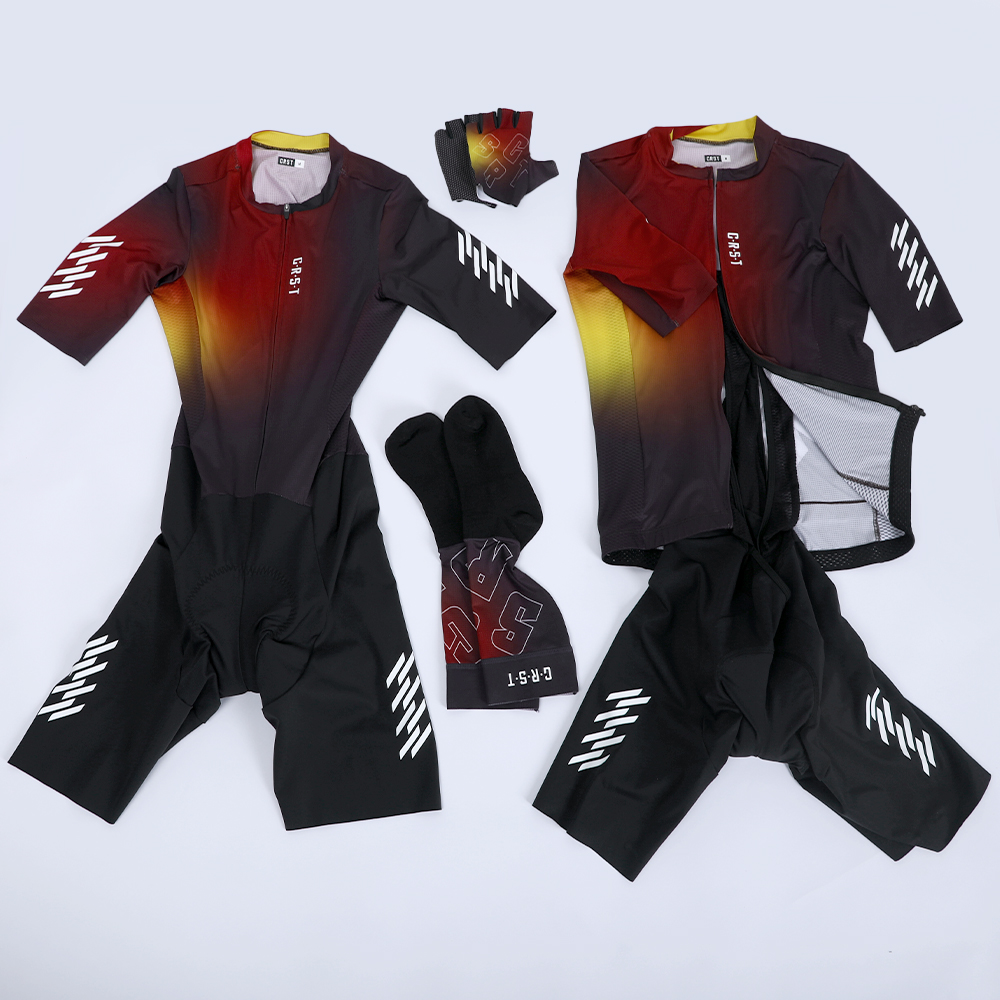
A well-structured layering strategy typically includes a base layer that manages sweat at the skin level, a jersey that supports airflow and storage, and an optional outer layer for wind protection or temperature control. This is why high-performance cycling apparel is designed to regulate airflow, moisture transfer, and body temperature over long distances.
By adjusting layers rather than changing entire outfits, riders can maintain stability in different riding conditions without disrupting their rhythm.
Adapting Apparel to Different Ride Stages
Long distance cycling is not static. Apparel needs can shift as the ride progresses.
At the beginning of a ride, body temperature rises quickly, making lightweight and breathable garments essential. During the middle phase, when output stabilizes, comfort and efficiency become the priority. In later stages, fatigue and environmental changes make thermal protection and reduced friction more critical.
This dynamic adjustment is one of the key differences between short rides and endurance cycling, and it significantly impacts long-term performance.
Adjusting for Environmental Conditions
Environmental factors play a major role in determining what to wear for long distance cycling. Heat, wind, and temperature variation all require different apparel strategies.
In hot conditions, garments that enhance airflow and reduce heat retention help prevent overheating. In windy or downhill sections, lightweight protective layers become important. For rides with large temperature differences between morning and evening, removable layers provide flexibility without adding unnecessary bulk.
The ability to adapt quickly without overloading the rider is essential in endurance scenarios.
Individual vs Team Apparel Considerations
For individual riders, apparel decisions focus primarily on comfort and performance. However, for teams and clubs, the situation is more complex.
For teams and clubs, choosing what to wear is not just an individual decision, but a matter of consistency, performance, and long-term usability. Uniform apparel ensures that all riders benefit from the same performance standards, while also strengthening team identity.
For teams looking to improve consistency and performance, custom cycling apparel solutions can provide better fit, durability, and unified design across all riders.
From Apparel Choice to Order Planning
When cycling apparel is required at a team or organizational level, the focus extends beyond what to wear into how apparel is planned and produced.
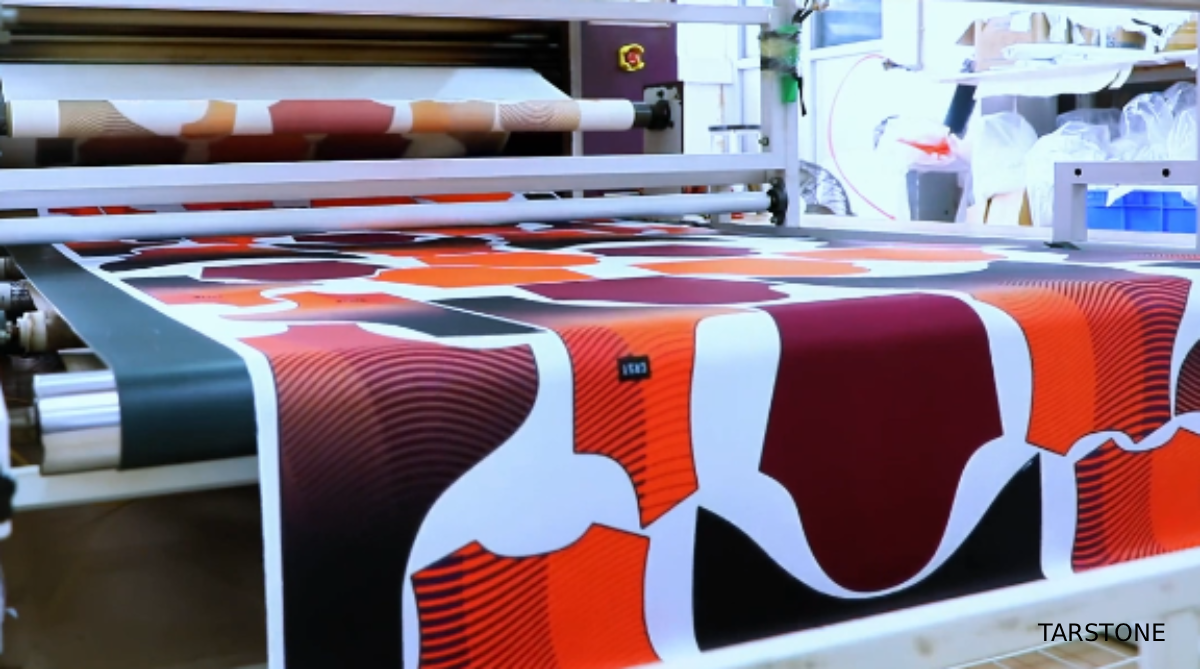
If your team is preparing for long-distance training or events, it is also important to understand how bulk cycling apparel orders are planned and managed. This includes sizing accuracy, production consistency, and reordering capability over time.
Conclusion: Strategy Matters More Than Individual Items
What to wear for long distance cycling is not defined by a single product, but by how different apparel elements work together under changing conditions. A strategic approach to layering, environmental adaptation, and fit allows riders to maintain comfort and efficiency over extended distances.
If you are planning cycling apparel for long distance riding, working with an experienced cycling apparel manufacturer can help you optimize fit, fabric performance, and production consistency from the beginning.
We support teams and brands with custom cycling apparel solutions, from design and sizing to bulk production and reordering. Contact us to discuss your project and get a tailored solution. Reach out to us directly via email at amytong@tarstone.com or WhatsApp at +86 150 5417 8785. You can also visit our website at www.tarstone.com to explore our full range of cycling apparel and submit your inquiry anytime.
Minimum Order Quantity (MOQ) for Cycling Apparel: Cost and Planning Guide
How Cycling Apparel Affects Performance in Long Distance Cycling