Cycling Apparel System Guide: How Professional Cycling Kits Are Structured for Performance, Comfort, and Team Consistency
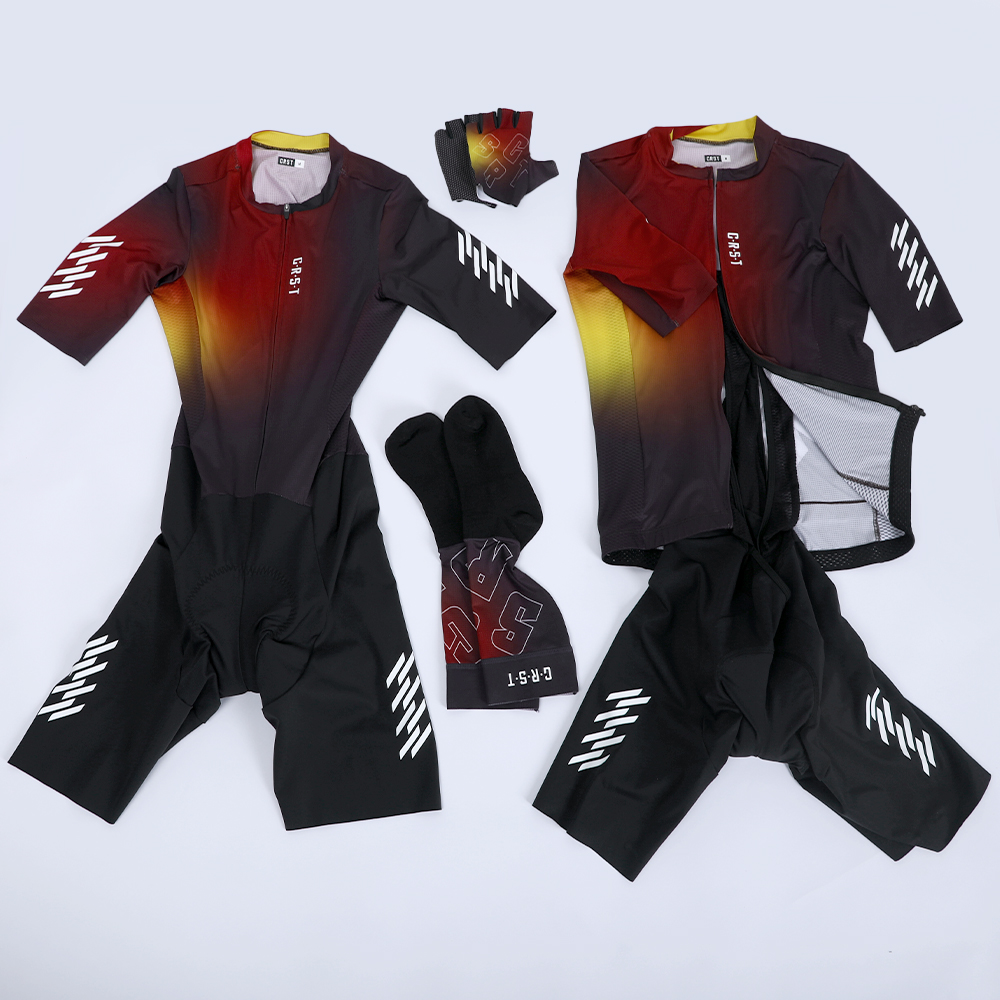
Cycling apparel is not a collection of independent garments. In a professional cycling environment, it functions as an integrated performance system where each component directly influences rider efficiency, comfort, and endurance. Whether for long-distance cycling, team racing, or structured training programs, apparel must be designed to work as a coordinated system rather than isolated products.
The concept of a cycling apparel system is based on the idea that performance is shaped by interaction rather than individual items. A jersey alone does not determine comfort, and bib shorts alone do not guarantee endurance performance. Instead, the combination of multiple layers, materials, and construction methods defines the final riding experience.
In long-distance cycling, riders are exposed to continuous physical stress, including heat accumulation, moisture buildup, friction, and repetitive muscle loading. These factors cannot be solved by a single garment. A structured apparel system distributes these functions across different layers, ensuring that each component performs a specific role within the overall structure.
Core Performance Layer: Jersey, Bib Shorts, and Tights
The core layer of cycling apparel consists of jerseys, bib shorts, and tights. These are the primary performance garments that directly interact with the rider's body during movement.
Cycling jerseys are designed to manage aerodynamics and moisture transport. Their construction focuses on reducing air resistance while maintaining breathability during high-output riding conditions. In long rides, even minor inefficiencies in fabric behavior can lead to heat accumulation and fatigue.
Bib shorts play a critical role in pressure distribution and muscle stabilization. The padding system is not simply for comfort but for maintaining consistent support over extended periods of pedaling. Poorly designed bib shorts can lead to uneven pressure distribution, which affects both endurance and recovery.
Cycling tights extend this concept into colder conditions, ensuring muscle temperature stability and reducing stiffness during early-stage or winter riding sessions.
These core components form the foundation of the cycling apparel system, but they cannot function optimally without supporting layers.
Base Layer System: Moisture and Temperature Regulation
Base layers sit directly against the skin and serve as the first interface between the rider's body and external environment. Their primary function is moisture management and thermal regulation.
During intense cycling activity, the human body produces large amounts of sweat. Without a proper base layer system, moisture remains trapped between the skin and outer garments, leading to discomfort, overheating, and reduced performance efficiency.
A well-designed base layer improves sweat evaporation and regulates body temperature across different environmental conditions. In warm climates, it prevents overheating by accelerating moisture transfer. In colder conditions, it helps maintain warmth by controlling sweat retention and reducing rapid cooling effects.
Because of these functions, base layers are considered an essential part of professional cycling apparel systems rather than optional accessories.
Accessories System: Stability, Adaptation, and Control
While often underestimated, cycling accessories play a significant role in overall riding performance. These components include cycling socks, gloves, caps, and temperature-control accessories such as arm and leg warmers.
Cycling socks influence foot stability inside cycling shoes. During long-distance rides, even slight movement inside the shoe can affect pedaling efficiency and increase fatigue. Proper sock construction improves moisture control and maintains consistent foot positioning.
Cycling gloves enhance grip stability and reduce hand fatigue caused by prolonged pressure on handlebars. This is especially important in racing and technical riding environments where control precision is critical.
Caps contribute to sweat management and helmet comfort by reducing direct sweat flow into the eyes while improving ventilation efficiency under the helmet system. Arm and leg warmers provide flexible adaption to changing weather conditions without requiring a full change of apparel.
Together, these components complete the functional structure of cycling apparel systems by addressing micro-level performance variables.
Fabric and Engineering System: The Technical Foundation
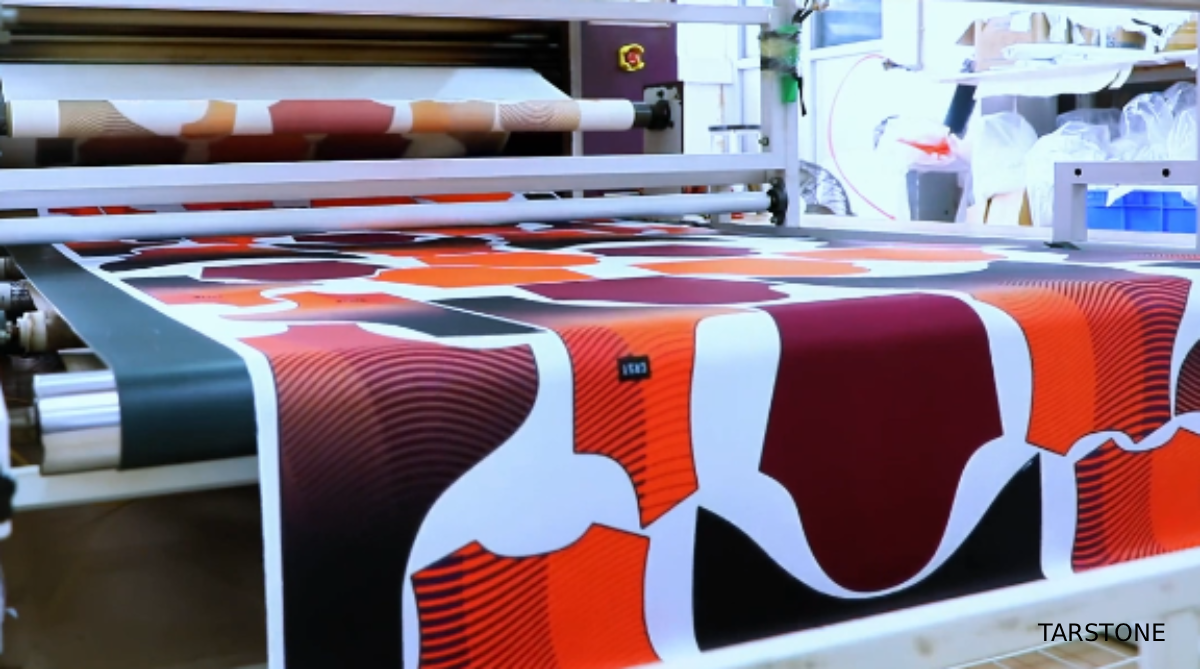
At the deepest level, cycling apparel performance is determined by fabric engineering and construction techniques. This includes material selection, elasticity control, seam placement, ventilation zoning, and sublimation printing processes.
Fabric weight directly influences breathability and thermal behavior. Lightweight fabrics improve airflow but may reduce durability if not properly reinforced. Heavier fabrics provide structure but can block heat dissipation if not engineered correctly.
Seam placement affects friction zones and aerodynamic efficiency. Poor seam positioning can create pressure points that lead to discomfort during long rides.
Printing technology, especially sublimation, ensures color durability and visual consistency across team uniforms. However, variations in temperature, pressure, and fabric batches can influence final output consistency in bulk production.
For cycling teams and brands, maintaining uniformity across these technical variables is critical for ensuring consistent performance and visual identity.
Why System-Based Design Matters in Cycling Apparel
In professional cycling, apparel is not selected item by item. Instead, it is designed and evaluated as a complete system that must perform consistently under varying conditions.
A system-based approach ensures that all components work together to support endurance, efficiency, and adaptability. It also reduces inconsistencies in sizing, material behavior, and performance outcomes across team members.
For brands and teams, this approach simplifies procurement decisions and improves long-term product reliability. It also ensures that apparel programs remain scalable across different seasons and competitive cycles.
Application Scenarios
Cycling apparel systems are applied across a wide range of use cases, including long-distance endurance cycling, structured team training programs, competitive racing environments, and multi-day cycling events. Each scenario places different demands on apparel performance, requiring a balanced system rather than isolated product selection.
We design integrated cycling apparel system solutions for pro cycling teams, covering core layers, base layers, functional accessories and professional fabric engineering to match all riding scenarios with unified performance & visual consistency.
Contact us to build a full-set system cycling apparel program customized for your team.
Email: amytong@tarstone.com
WhatsApp: +86 150 5417 8785
Website: www.tarstone.com
Why Small Cycling Brands Struggle to Scale
Why Sample Approval Does Not Mean Production Starts Immediately