What Is Included in a Custom Cycling Apparel Sample
In custom cycling apparel manufacturing, samples are not simply used to preview colors or logos before production begins. A professional cycling apparel sample helps brands, cycling teams and distributors evaluate fit, fabric performance, garment construction and overall production consistency before placing bulk orders. For many OEM cycling apparel projects, the sampling stage becomes one of the most important parts of confirming whether the final product can meet long- term production expectations.
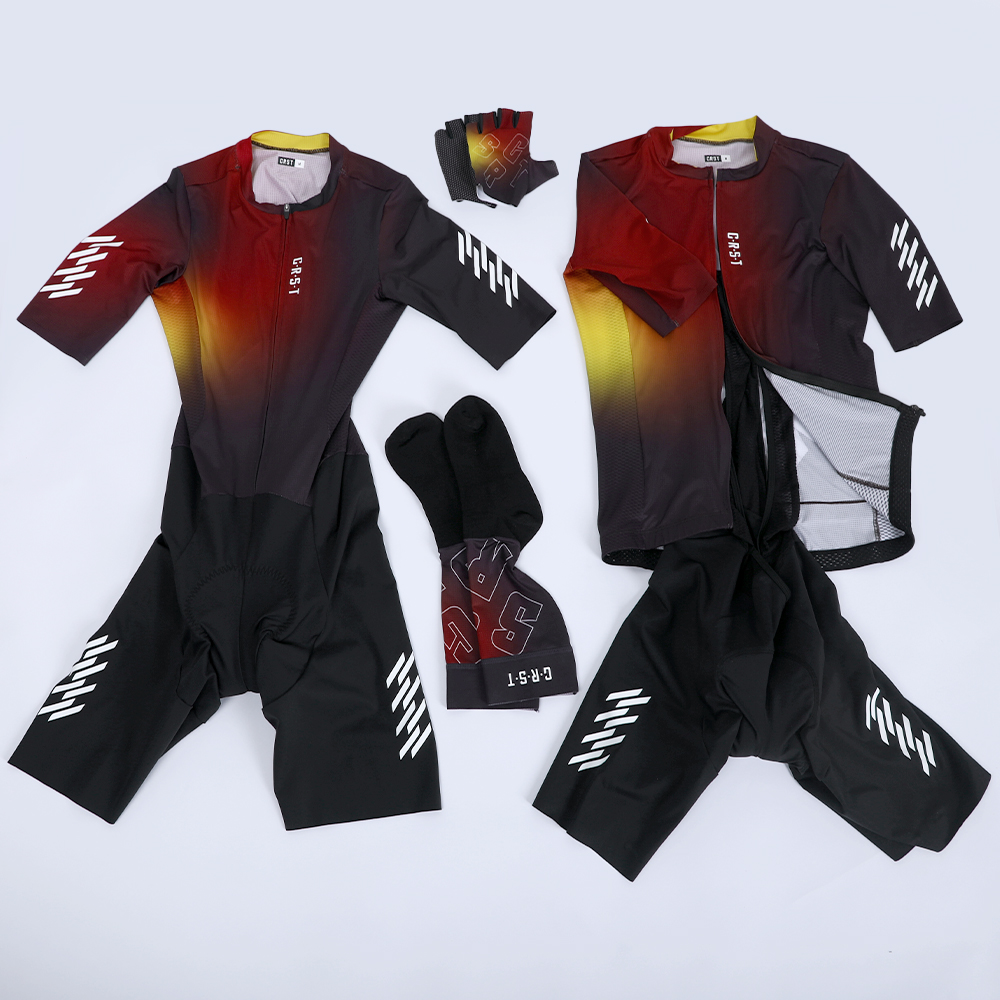
Many cycling apparel brands first review digital mockups before production starts, but digital artwork often cannot fully represent how a cycling jersey or cycling bib shorts will perform after printing and garment assembly. Once fabrics are cut, stitched and shaped into riding position, details such as sleeve compression, pocket structure, seam positioning and overall fit may appear very different compared with flat design files. A production sample allows both the factory and the client to evaluate these details using an actual finished garment before moving into large-scale manufacturing.
One important purpose of custom cycling apparel samples is fit confirmation. Different cycling markets often prefer different fit styles depending on riding conditions and product positioning. Professional race fit cycling jerseys usually focus more on aerodynamic compression and close body fit, while club cycling apparel or endurance cycling kits may prioritize comfort and flexibility during longer rides. Through the sampling process, brands can evaluate sleeve length, body compression, collar height and bib shorts support before approving final production sizing.
Fabric performance is another important part of cycling apparel sample evaluation. Performance cycling jerseys and bib shorts often use lightweight stretch fabrics designed for breathability, moisture management and riding comfort. However, fabric behavior may change after sublimation printing, stitching and actual riding movement. A sample garment helps evaluate how fabrics respond under realistic wearing conditions, especially around sleeves, side panels, shoulder sections and bib straps where stretching and body movement are more noticeable.
Cycling apparel samples are also used to confirm construction quality before bulk manufacturing begins. Stitching consistency, seam alignment, zipper installation and pocket construction all affect the final appearance and durability of cycling apparel products. Some details that appear acceptable on digital mockups may require further adjustment once assembled into a finished garment. Sampling helps factories identify these issues early and improve production stability before larger quantity manufacturing starts.
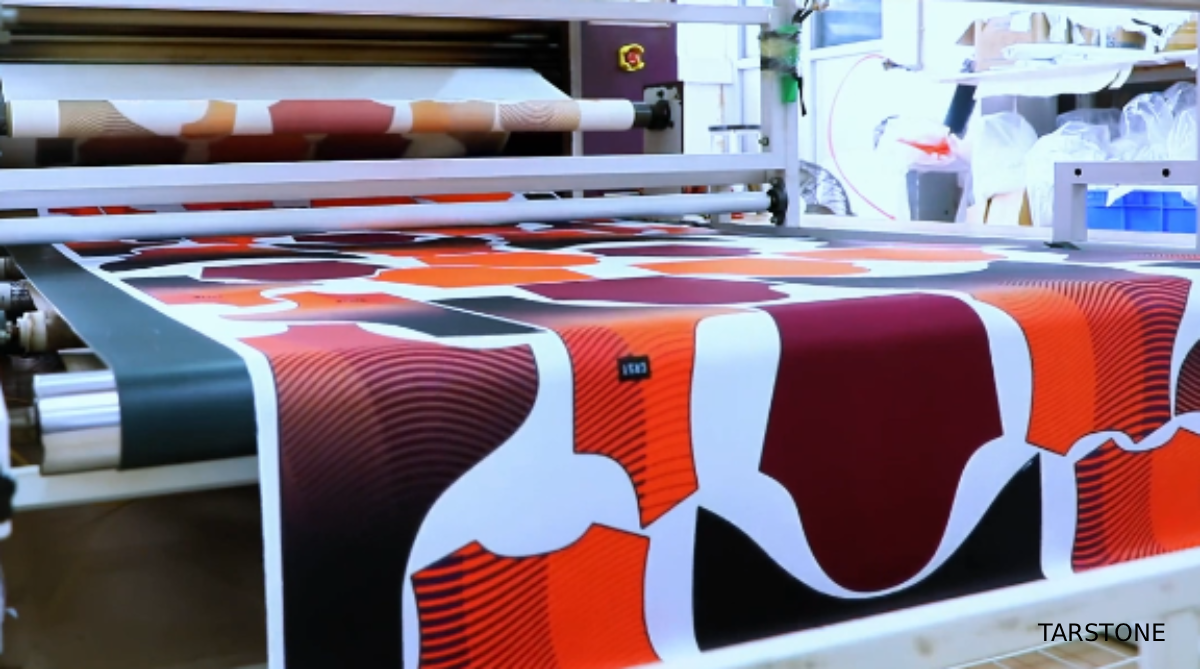
Printing consistency is another key area reviewed during sample development. In custom sublimation cycling apparel production, colors, gradients and logos may appear differently depending on fabric texture, panel positioning and printing setup. A sample allows brands to confirm whether sponsor visibility, graphic balance and overall visual presentation remain consistent after printing and garment assembly. This becomes especially important for cycling teams and private label brands that require stable visual identity across multiple production runs.
Samples are also important for improving communication efficiency during OEM cycling apparel cooperation. Once fit expectations, garment details and production standards are confirmed during the sample stage, factories can usually organize bulk manufacturing more efficiently with fewer revisions later in production. Clear sample approvals help reduce production misunderstandings and allow both sides to maintain more stable production planning during larger orders.
For long-term cycling apparel programs, sample records often become valuable references for repeat orders and seasonal product updates. Many cycling teams, clubs and distributors continue using similar sizing structures and construction standards across multiple seasons. Maintaining stable sample references helps factories improve reorder consistency while allowing brands to maintain more reliable product quality over time.
In professional custom cycling apparel manufacturing, samples are not simply presentation products before production. They function as an important stage for evaluating fit, fabric behavior, construction quality and production consistency before bulk orders begin. For cycling brands, clubs and distributors, a well-organized sampling process often becomes an important part of building more stable long-term OEM manufacturing cooperation.
We support teams and brands in planning MOQ, optimizing order quantity, and ensuring consistent production from design to delivery.
Contact us to discuss your project and get a practical MOQ solution tailored to your needs.
Email: amytong@tarstone.com
WhatsApp: +86 150 5417 8785
Website: www.tarstone.com
How Cycling Brands Plan Custom Apparel Collections for a New Season
How Cycling Apparel Factories Handle Size Sets for Team Orders