How Much Does Custom Cycling Apparel Cost in 2026
When planning custom cycling apparel, one of the first questions buyers ask is how much it will cost. However, after comparing different suppliers, many quickly realize that pricing can vary significantly, even when the products seem similar on the surface.
This difference is not accidental. It is reflected in materials, production capabilities, and the level of control a manufacturer has over consistency. For buyers, understanding these underlying factors is more important than simply comparing numbers, because the real cost of an order is often revealed only after production begins.
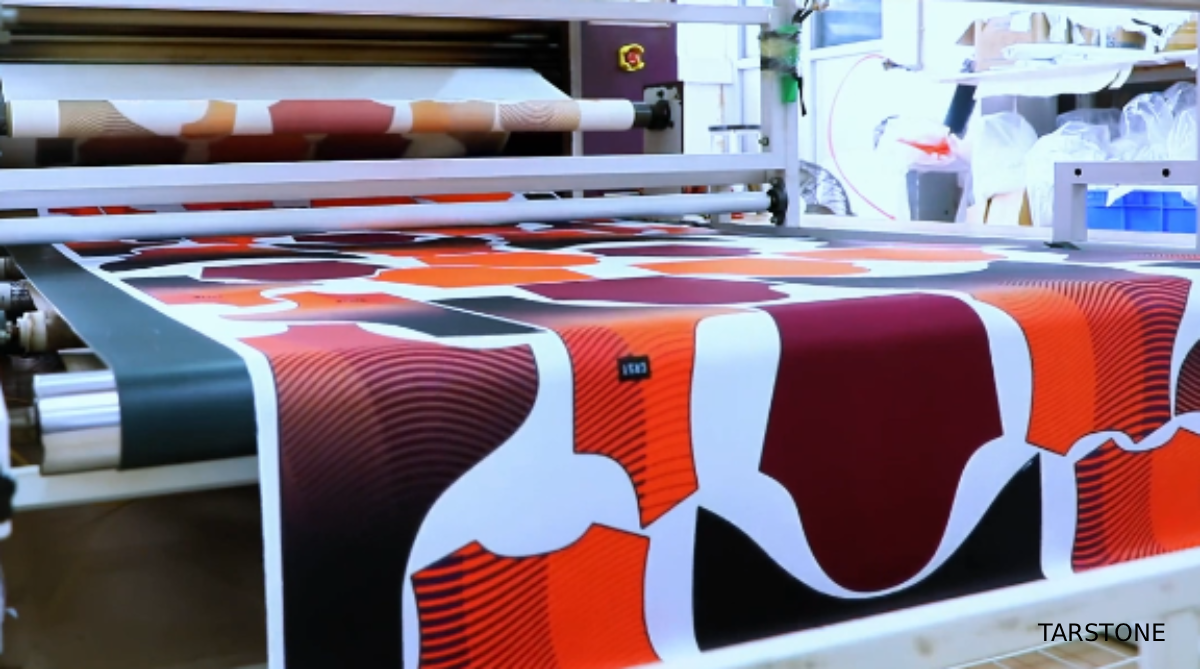
A major reason behind price variation lies in fabric selection. Cycling apparel is highly dependent on performance materials, and not all fabrics deliver the same level of breathability, elasticity, or durability. Higher-quality fabrics are designed to perform under long-distance riding conditions and repeated use, while lower-cost alternatives may only meet basic requirements. Although the price difference may appear modest at first, it often becomes more noticeable over time as the garment is used.
Another important factor is how production scale influences cost. Smaller orders tend to carry higher unit prices because manufacturing efficiency cannot be fully optimized. As production volume increases, processes become more stable, and the cost per piece is reduced. This is why pricing is often closely tied to order quantity, even when the product design remains the same.
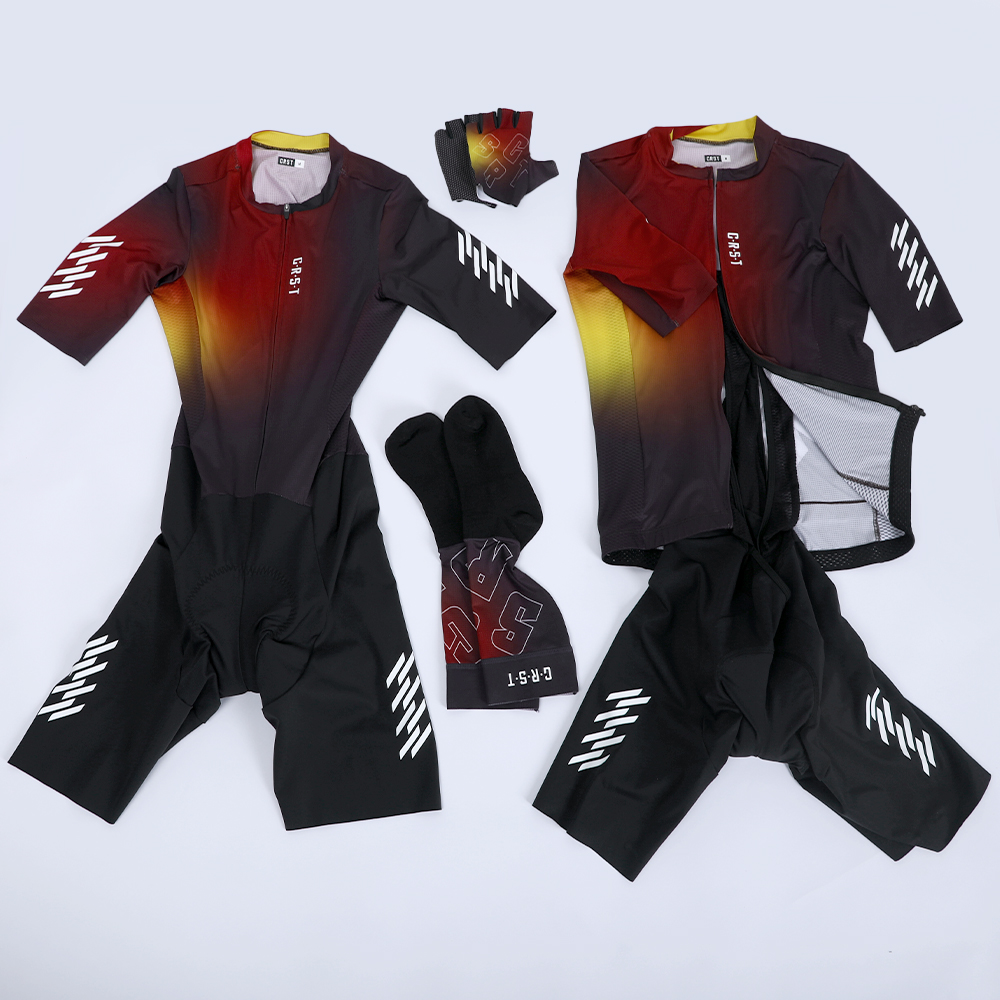
Design complexity also plays a role in shaping overall cost. Custom graphics, color transitions, and detailed layouts require more advanced production processes. These elements are essential for teams and brands seeking a distinct visual identity, but they can also increase both production time and technical requirements. In many cases, the balance between design impact and production efficiency determines whether a project remains within a reasonable budget.
It is also important to recognize that lower prices do not always translate into better value. In some cases, unusually low quotations indicate compromises in areas that are not immediately visible, such as fabric performance, stitching precision, or quality control. These compromises tend to become more apparent during bulk production, where consistency is critical. The result can be increased product variation, delays, or the need for rework, all of which add hidden costs to the project.
A more practical approach is to evaluate cost as part of a broader decision rather than as a standalone number. Buyers who achieve better long-term results are usually those who focus on consistency, communication, and production reliability. Instead of aiming for the lowest price, they look for a balance between cost and performance that can be maintained across multiple orders.
For those seeking to manage budgets more effectively, the key is not simply to reduce cost, but to understand where adjustments can be made without affecting overall quality. Decisions related to order size, material selection, and design structure all influence the final outcome, and these decisions are most effective when made with a clear understanding of how production works.
Ultimately, understanding the cost of custom cycling apparel is only one part of the process. The more important step is selecting a manufacturing partner who can consistently deliver the expected standard. Pricing defines the starting point of a project, but reliability determines whether that project succeeds in the long run.
We support teams and brands in planning MOQ, optimizing order quantity, and ensuring consistent production from design to delivery.
Contact us to discuss your project and get a practical MOQ solution tailored to your needs.
Email: amytong@tarstone.com
WhatsApp: +86 150 5417 8785
Website: www.tarstone.com
What Is a Realistic MOQ for Custom Cycling Apparel Orders
How to Choose a Cycling Apparel Manufacturer in China