How Cycling Apparel Affects Performance in Long Distance Cycling
In short rides, minor discomforts rarely affect overall performance. However, in long-distance cycling, the situation changes significantly. As distance increases, factors such as heat buildup, moisture accumulation, muscle fatigue, and skin friction begin to compound. What initially feels manageable can gradually reduce efficiency, disrupt rhythm, and ultimately limit endurance.
Cycling apparel plays a direct role in controlling these variables. It is not simply about comfort or appearance. The right apparel supports physiological stability, improves energy efficiency, and allows riders to sustain performance over extended periods.
Thermoregulation and its impact on Endurance
Maintaining a stable core temperature is one of the most critical factors in long-distance cycling. As the body generates heat over time, ineffective heat dissipation can lead to elevated heart rate and faster fatigue accumulation.
Well-designed cycling jerseys incorporate airflow-oriented structures that facilitate heat release. Instead of trapping warm air, these garments promote continuous ventilation, allowing the rider to maintain a more consistent internal temperature. Over long distances, this stability translates into more controlled energy output and reduced physiological stress.
The performance advantage is not always immediately noticeable, but it becomes increasingly significant as ride duration extends.
Moisture Management and Energy Efficiency
Sweat management is closely linked to both comfort and energy expenditure. When moisture remains trapped in fabric, it increases garment weight and creates persistent skin contact, which can lead to irritation. More importantly, the body must expend additional energy to regulate temperature under these conditions.
Advanced cycling apparel addresses this issue by facilitating the transfer of moisture away from the skin. This process allows for faster evaporation and helps maintain a drier microclimate between the fabric and the body. As a result, riders experience less friction and more stable thermal regulation.
Over the course of a long ride, improved moisture control contributes directly to energy conservation and sustained performance.
Aerodynamics and Long-Distance Efficiency
Air resistance is a constant force in cycling, and its cumulative effect becomes more pronounced over longer distances. Apparel design plays a key role in minimizing this resistance.
Close-fitting cycling garments reduce surface turbulence and allow air to flow more smoothly across the body. Compared to looser clothing, this results in measurable efficiency gains. While the difference may appear marginal in short efforts, it becomes meaningful when sustained over tens or hundreds of kilometers.
By reducing unnecessary drag, riders can maintain speed with less energy output, which is essential for endurance-focused cycling.
Muscle Support and Fatigue Reduction
Long-distance cycling places continuous stress on muscle groups, particularly in the lower body. Beyond the effort required for pedaling, muscles are also subjected to repetitive micro-vibrations caused by road conditions and movement.
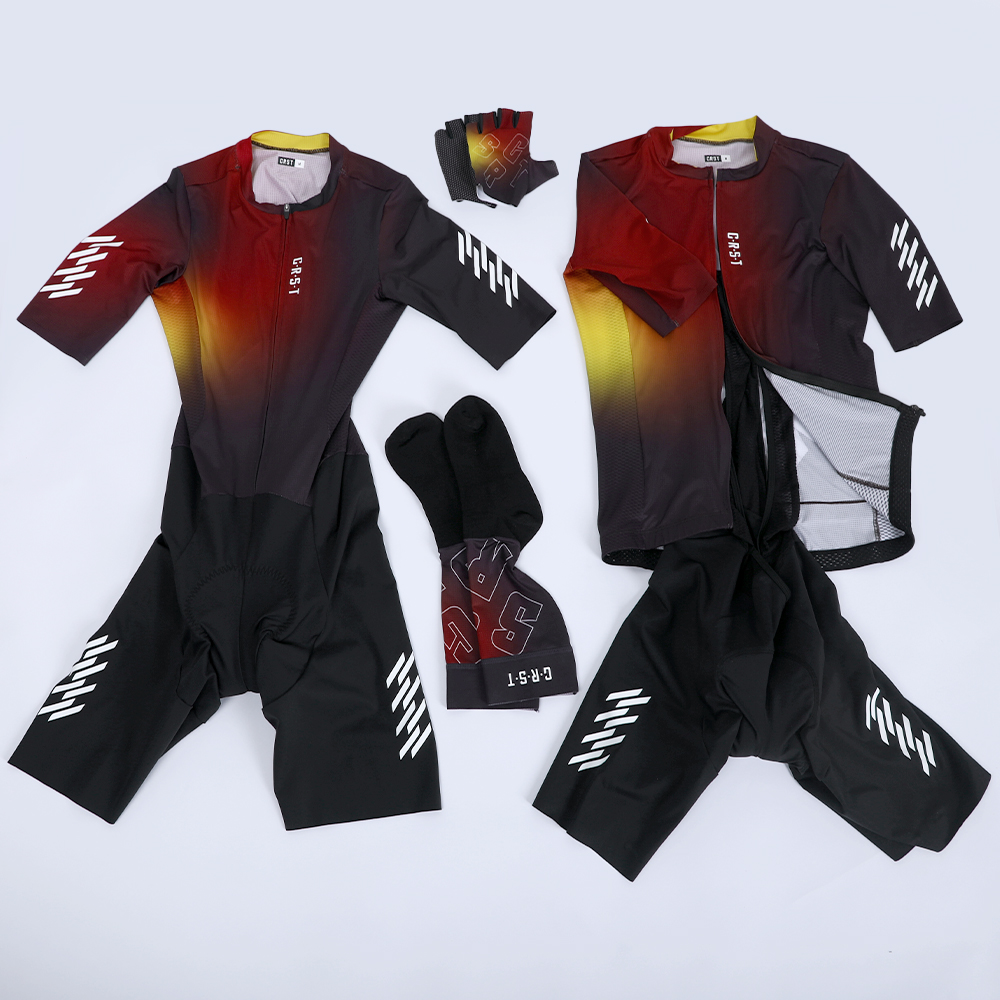
Performance-oriented cycling shorts, especially bib designs, provide structured support that helps stabilize these muscle groups. This support reduces unnecessary movement and improves circulation, which in turn delays the onset of fatigue.
As the ride progresses, this stability helps riders maintain consistency in power output and reduces the physical strain experienced in later stages.
Ergonomic Design and Friction Control
Discomfort caused by friction is one of the most common factors that disrupts long-distance cycling performance. Poorly constructed seams or inadequate padding can create pressure points that worsen over time.
High-quality cycling apparel addresses this through ergonomic panel construction and refined seam placement. By aligning the garment with the body's natural movement, these designs minimize resistance between fabric and skin. In addition, properly engineered padding enhances saddle comfort and reduces localized pressure.
The result is a more stable riding experience where the rider can remain focused on performance rather than adjusting for discomfort.
Adapting Apparel to Long Distance Riding Conditions
The effectiveness of cycling apparel also depends on how well it matches the riding environment. In extended road cycling scenarios, riders benefit from garments that balance aerodynamic efficiency with functional storage, allowing them to carry essential items without compromising performance.
In warmer climates, apparel that enhances airflow and reduces heat retention becomes particularly important, as overheating can significantly impact endurance. Meanwhile, in group or team riding contexts, consistency in apparel design ensures that all riders benefit from the same performance standards.
For teams and clubs, customized cycling apparel offers an additional advantage by aligning performance functionality with visual identity. This approach not only improves rider experience but also strengthens brand recognition during events and group rides.
Choosing the Right Cycling Apparel for Endurance
Selecting appropriate cycling apparel for long-distance riding requires a clear understanding of performance priorities. Fabric technology should support airflow and moisture transfer while maintaining durability over extended use. Fit is equally important, as it influences both aerodynamics and comfort. A well-fitted garment enhances efficiency without restricting movement.
Functional design elements such as secure storage, adjustable ventilation, and stable garment positioning also contribute to overall performance. These details, while subtle, become increasingly important as ride duration increases.
Ultimately, the goal is to create a balance between comfort, efficiency, and reliability, ensuring that apparel supports rather than limits performance.
Conclusion: Apparel as a Performance Factor
Long-distance cycling is defined by the ability to sustain effort over time. Every factor that influences energy use, comfort, and physiological stability plays a role in overall performance.
Cycling apparel is one of those factors. Supporting temperature regulation, managing moisture, reducing aerodynamic drag, stabilizing muscles, and minimizing friction, it enables riders to maintain efficiency throughout extended rides.
For teams, clubs, and organizations, investing in well-designed or customized cycling apparel is not only a matter of presentation. It is a practical decision that directly impacts rider performance and long-term experience.
If you are looking for professional long-distance cycling apparel or custom OEM/ODM solutions for your team, we welcome you to contact us. We provide end-to-end support from design to mass production, ensuring high-performance, comfort-focused apparel for endurance riding. Reach out to us directly via email at amytong@tarstone.com or WhatsApp at +86 150 5417 8785. You can also visit our website at www.tarstone.com to explore our full range of cycling apparel and submit your inquiry anytime.
What to Wear for Long Distance Cycling
How to Plan Cycling Apparel Orders for Teams and Clubs