How Cycling Brands Plan Custom Apparel Collections for a New Season
For cycling apparel brands, a successful seasonal collection does not begin with the first design concept on a computer screen. It starts much earlier with market planning and product positioning. As competition within the cycling apparel industry continues to increase, customers are placing greater emphasis on product performance, brand identity, and the completeness of a product range. Whether a company is a newly established cycling apparel brand or an established business with a loyal customer base, a structured collection development strategy is essential for maintaining competitiveness. Rather than focusing on a single cycling jersey or bib short, many brands are now developing complete cycling apparel collections designed to strengthen brand recognition, improve customer loyalty, and build a stronger market presence over time.
Before planning a new seasonal collection, brands must first define their target market and product positioning. Different customer segments have different expectations when purchasing cycling apparel. Some brands focus on the high-performance racing market and aim to provide professional apparel for riders seeking aerodynamic efficiency and maximum performance. Other target endurance cyclists and recreational riders, emphasizing comfort, durability, and long-term value. Product positioning influences every stage of development, including fabric selection, garment construction, fit development, pricing strategy, and production planning. A clearly defined target audience helps ensure consistency throughout the collection development process and reduces the risk of creating a product range that lacks direction.
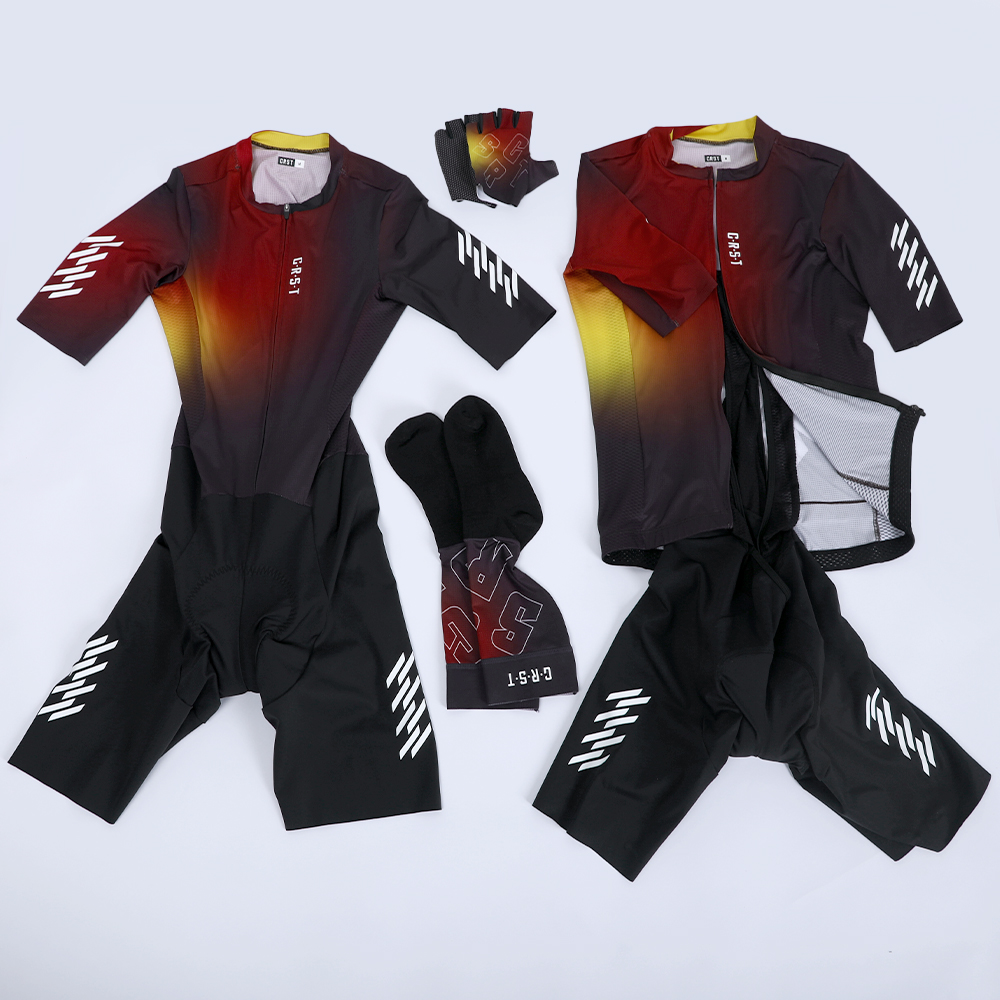
Once the target market has been identified, brands can begin planning the overall structure of their collection. Many new brands focus heavily on cycling jerseys during the early stages of development, but long-term growth often depends on offering a broader and more cohesive product range. Customers typically prefer collections that provide a consistent visual identity and coordinated riding experience. As a result, brands frequently develop multiple product categories simultaneously. The cycling jersey often serves as the centerpiece of the collection because it communicates the strongest visual representation of the brand, while cycling bib shorts play a critical role in rider comfort and overall product credibility. As the collection expands, brands may introduce cycling jackets, cycling vests, thermal tights, and seasonal accessories to create a complete and unified product offering. A well-planned collection not only strengthens brand positioning but also encourages repeat purchases and increases overall customer value.
Seasonality is another important factor that cannot be overlooked during collection planning. Riding conditions vary significantly throughout the year, and consumer expectations change accordingly. Spring and summer products are generally developed with a focus on breathability, moisture management, and lightweight performance to improve comfort in warm weather conditions. Autumn and winter collections place greater emphasis on insulation, wind protection, and long-distance riding comfort. When developing a new seasonal collection, brands must consider not only design aesthetics but also the climate characteristics of their target markets. For companies selling across multiple countries and regions, seasonal differences should be incorporated into the development strategy to ensure products meet the practical needs of customers in different environments.
After the overall product direction and collection structure have been established, brands move into the design and development stage. For mature cycling apparel brands, design is about far more than colors and graphics. It is an extension of the brand itself. A competitive cycling apparel collection is usually built around a consistent visual identity. Brand logos, primary colors, supporting color palettes, and graphic elements should remain consistent throughout the collection. Long-term visual consistency helps strengthen brand recognition and creates a stronger connection with customers. Rather than constantly changing design styles, successful brands often focus on refining and reinforcing their visual language over time.
Beyond visual design, fabric development is one of the most important aspects of collection planning. The performance of cycling apparel is heavily influenced by material selection, making fabric choice a key strategic decision. Summer cycling apparel is typically developed using lightweight and highly breathable fabrics that enhance rider comfort during warm-weather riding. Performance-focused products may prioritize compressive fabrics, close-fitting construction, and aerodynamic efficiency. Winter garments require additional consideration for insulation, protection, and durability. Fabric selection affects not only product performance but also manufacturing costs and retail pricing, making early-stage evaluation essential to the success of the collection.
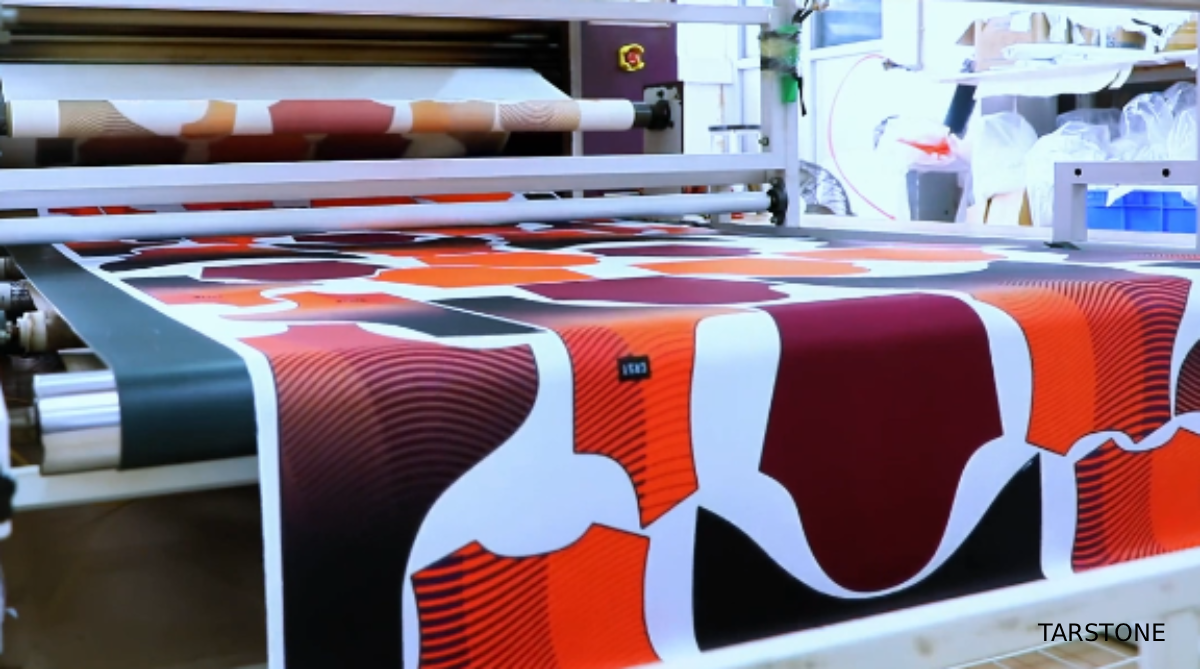
Once design development and fabric selection have been completed, sample development becomes a critical bridge between concept and production. For brands, samples are not simply visual prototypes. They provide an opportunity to evaluate garment fit, construction quality, fabric performance, color accuracy, and overall product appearance. Many development issues are identified and resolved during the sampling process before production begins. Investing sufficient time in sample evaluation and refinement helps reduce manufacturing risks and improves the likelihood of a successful product launch.
Following sample approval, the project gradually transitions into production planning. For cycling apparel brands, production planning extends far beyond determining order quantities. It also involves size distribution, color allocation, delivery schedules, and inventory forecasting. Different markets often require different size ratios, making it important to analyze historical sales data and target market characteristics when planning production. At the same time, brands must estimate demand carefully in order to balance inventory levels and reduce the risk of either overstocking or stock shortages. Effective production planning supports healthier cash flow and allows brands to respond more efficiently to market demand.
For brands preparing to launch a new seasonal collection, time management is equally important. Many companies assume that manufacturing is the primary factor affecting launch schedules, but in reality, product development activities often consume significantly more time. Market research, collection planning, design development, and sample approval all require close coordination and effective communication. If these stages are not managed properly, even a highly efficient manufacturer may struggle to deliver products in time for the intended launch window. For this reason, experienced brands often begin planning future collections several months in advance and establish clear development timelines to keep projects on track.
In today's competitive market, completing an initial production order is no longer enough to support sustainable growth. More brands are incorporating reorder planning into their collection development strategies. Once a product hits the market, availability often becomes more important than the initial launch itself. Failure to replenish inventory can result in lost sales opportunities and reduced customer loyalty. As a result, many brands work closely with their manufacturing partners to establish long-term production plans that ensure fabric availability, color consistency, and production stability for future reorders.
For cycling apparel brands seeking long-term growth, selecting the right manufacturing partner is a fundamental part of collection success. A professional custom cycling apparel manufacturer provides much more than production capacity. Experienced manufacturers can contribute valuable expertise in product development, fit optimization, fabric recommendations, sample development, and production management. As customer expectations continue to rise, relationships between brands and manufacturers are increasingly evolving from traditional supplier arrangements into long-term development partnerships. Manufacturers with extensive industry experience can help brands accelerate product development, improve product consistency, and reduce potential production risks.
From market planning and product development to sample validation and bulk production, every successful cycling apparel collection relies on effective coordination across multiple stages. For cycling apparel brands, collection planning is not simply a product development exercise. It is a strategic process that influences brand positioning, product quality, and long-term business growth. By establishing a structured development system, maintaining a clear market focus, and working with a reliable manufacturing partner, brands can continuously introduce products that meet market expectations and strengthen their competitive advantage. For companies aiming to achieve sustainable growth within the cycling apparel industry, careful planning of every seasonal collection remains one of the most important foundations for long-term success.
We support teams and brands in planning MOQ, optimizing order quantity, and ensuring consistent production from design to delivery for your seasonal cycling apparel collections.
Contact us to discuss your seasonal collection project and get a practical MOQ solution tailored to your needs.
Email: amytong@tarstone.com
WhatsApp: +86 150 5417 8785
Website: www.tarstone.com
How Cycling Teams Manage Apparel Reorders Throughout the Season
What Is Included in a Custom Cycling Apparel Sample