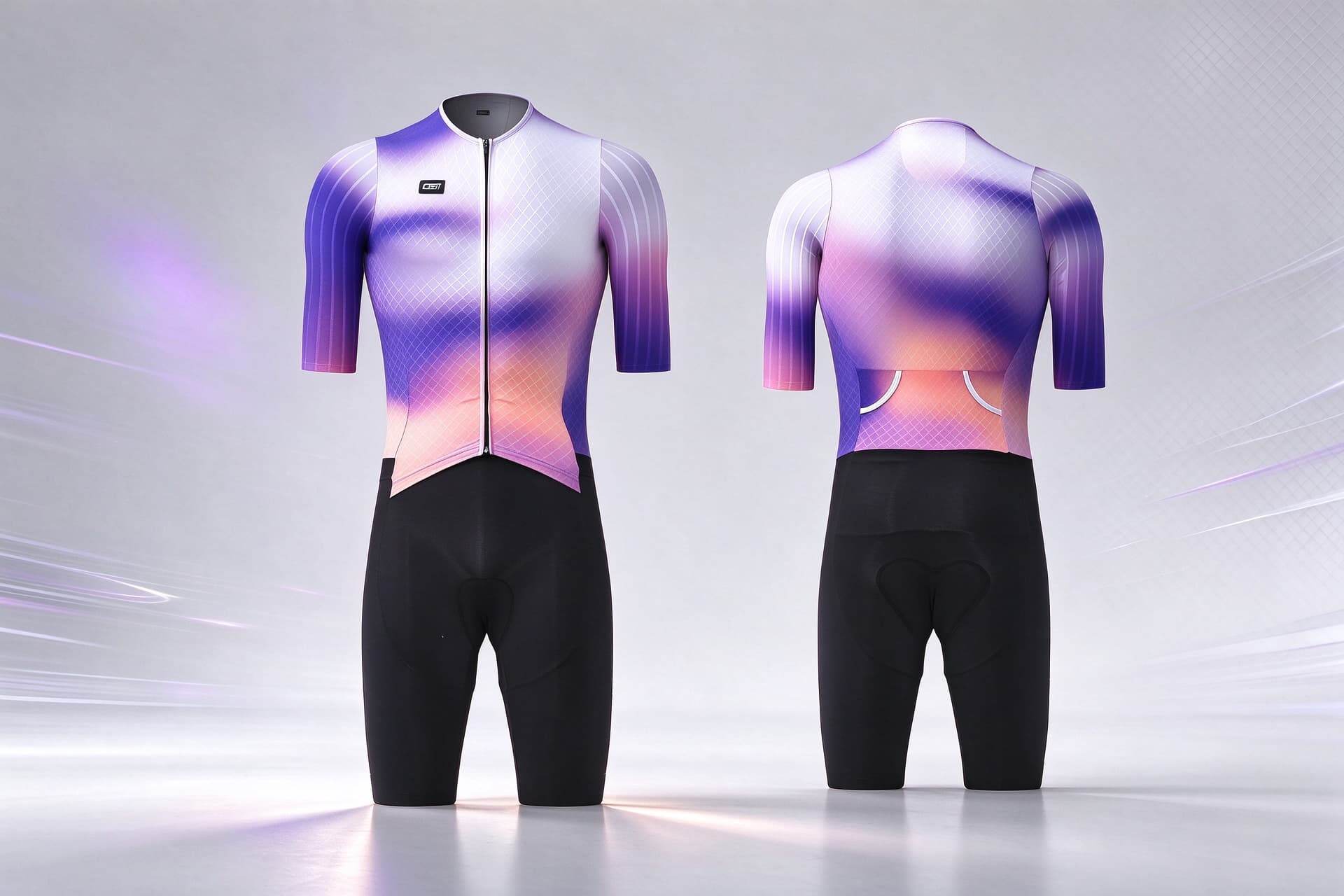
Custom Cycling Teamwear for Teams, Clubs and Brands
Cycling teams, clubs, brands and distributors often need coordinated cycling apparel produced around their own designs, rider requirements and order quantities. Custom cycling teamwear provides a practical way to develop a consistent range of jerseys, bib shorts and other garments for team programs, brand collections and bulk orders.
Instead of selecting standard garments from an existing collection, buyers can develop apparel around their own colors, graphics, logos and product requirements.
For B2B projects, the process also involves product selection, sizing, sampling, bulk production and future reorders. Tarstone provides custom cycling apparel manufacturing for teams, clubs, brands, distributors and other professional buyers.
Custom Cycling Teamwear for Different Buyers
Different organizations may have different requirements when developing their cycling apparel.
Cycling Teams
Cycling teams can develop coordinated apparel for racing, training and team activities. Jerseys, bib shorts and additional garments can follow the same design and branding throughout the collection.
Cycling Clubs
Clubs often need apparel for multiple riders with different sizes. A custom collection allows members to wear a consistent club design while selecting the products and sizes they require.
Cycling Brands
Cycling brands can develop teamwear around their own visual identity and product requirements. A teamwear project can also become part of a wider OEM or private label apparel program.
Race Teams and Event Organizations
Race teams and event organizations may need cycling apparel based on a specific team, competition or event identity, with product selection and production planned around the requirements of the project.
What Can Be Included in a Custom Cycling Teamwear Collection?
A teamwear program can include different garments depending on the team's riding conditions, product requirements and budget.
Custom Cycling Jerseys
Cycling jerseys are often the starting point for a teamwear collection. Team colors, graphics, logos and other design elements can be incorporated into the jersey design.
Cycling Bib Shorts
Bib shorts can be developed to complement the jersey through coordinated colors, graphics and branding, creating a consistent cycling kit.
Other garments, such as cycling jackets, vests, tights, base layers and skinsuits, can also be added when required for different riding conditions or uses.
What Can Be Customized in Cycling Teamwear?
Custom teamwear is not limited to changing the color of an existing garment. The design and product specifications can be developed around the requirements of the team, club or brand.
Team Colors and Graphics
Team colors, artwork and graphic elements can be incorporated across different garments to create a consistent visual identity.
When a collection includes jerseys, bib shorts and additional layers, keeping the design consistent helps create a recognizable team appearance.
Team and Sponsor Branding
Team logos, sponsor logos and other brand elements can be included according to the project requirements.
Logo placement should be considered as part of the overall garment design so that branding works naturally with the garment panels and graphics.
Product Selection
Not every team needs the same combination of products.
A summer cycling club may focus on jerseys and bib shorts, while a racing team or organization with a longer riding season may also require jackets, vests, tights or other cycling apparel.
Fabrics and Garment Construction
Fabric and construction choices should be considered according to the intended use of each garment.
A summer jersey, thermal cycling garment and outer layer have different requirements, so product selection should begin with the riding conditions and application.
Labels and Brand Elements
For cycling brands and private label projects, labels and other brand elements can also be considered during product development according to the requirements of the project.
How Custom Cycling Teamwear Is Developed
A custom teamwear project involves several stages before the final garments enter bulk production.
1. Define the Product and Design Requirements
The process begins with the buyer's requirements, including the products needed, artwork, logos, colors, estimated quantities and intended use.
Clear information at this stage helps establish the direction for product development and sampling.
2. Select Products and Fabrics
Products and materials are selected according to their intended use.
Different requirements may apply to summer jerseys, bib shorts, thermal garments or outer layers. For brands and distributors, product selection may also depend on the positioning of the planned collection.
3. Develop the Sample
A sample allows the buyer to review the proposed product before bulk production.
Depending on the project, the sample can be evaluated for appearance, artwork placement, sizing, fit, fabric and garment construction.
4. Approve the Sample
Once the necessary changes have been made, the sample and relevant product specifications can be confirmed as the reference for the bulk order.
For B2B buyers, sample approval is an important step, but production also requires confirmation of quantities, size distribution and other order details.
Why Sample Approval Does Not Mean Production Starts Immediately
5. Confirm the Bulk Order
After sample approval, the final product specifications, quantities, size breakdown and other order details are confirmed before bulk production begins.
This is particularly important for teamwear because one order may include several products and multiple sizes.
6. Bulk Production
Once the order details are confirmed, the approved specifications are used as the reference for bulk production.
Managing the complete product mix and size distribution helps keep the order consistent with the approved requirements.
7. Quality Control and Packing
Finished garments are checked according to the agreed production requirements before packing and shipment.
For repeat orders, keeping the approved specifications and artwork organized can also make future production easier to manage.
What Should You Consider Before Ordering Custom Cycling Teamwear?
Choosing a design is only one part of a teamwear project. B2B buyers should also consider how the apparel will be ordered, produced and used.
Product Requirements
Determine which garments are needed and whether they are intended for racing, training, everyday riding or different seasons.
Size Distribution
Team orders normally include multiple sizes. Preparing an estimated size breakdown before production helps the order reflect the actual requirements of the riders.
Order Quantity
The total quantity should be considered together with the product mix. An order may contain different quantities of jerseys, bib shorts and additional garments.
Sampling
A sample provides an opportunity to review important product details before moving into bulk production.
Production Schedule
Custom apparel requires time for design preparation, sampling, approval and manufacturing. Buyers should therefore plan the production schedule before a racing season, club program or event.
Future Reorders
Teams may need additional garments when new riders join, existing garments need replacing or a new order is required later in the season.
For brands and distributors, repeat production may also become part of an ongoing product program. Keeping approved product specifications and artwork available can make future orders easier to manage.
Custom Cycling Teamwear for Brands and Private Label Projects
For cycling brands and distributors, teamwear can be part of a broader custom apparel program rather than a one-time team order.
A buyer can develop cycling jerseys, bib shorts and other products around its own brand identity and use the approved specifications for future production.
Depending on the project, this may involve:
- Custom product designs
- Product and fabric selection
- Custom graphics
- Brand labels
- Packaging requirements
- Sample development
- Bulk production
- Repeat orders
For buyers developing their own cycling apparel collections, this approach can provide greater control over the product identity and overall apparel range.
Choosing a Manufacturer for Custom Cycling Teamwear
Developing teamwear involves more than producing the final garments. Product selection, fabric choices, garment construction, sampling, sizing, and bulk production all need to be coordinated throughout the project.
For teams and clubs, this helps keep different garments consistent within the same collection.
For brands and distributors, manufacturing capability becomes particularly important when a custom order may develop into a recurring product program.
Tarstone works with professional buyers on custom cycling apparel projects, supporting product development and bulk production for teams, brands, clubs, and other B2B customers.
Final Thoughts
Developing custom cycling teamwear is a product development and production process rather than simply a graphic design project.
The strongest results come from defining the intended use and product requirements first, then developing the garments, materials, graphics, and construction around those requirements. For teams and clubs, this helps create a consistent kit across different products and sizes. For brands and distributors, the same process can provide a foundation for repeat production and broader apparel programs.
Sampling provides an opportunity to evaluate the actual garments, identify areas that need refinement, and confirm the specifications before bulk production. Clear product information, size distribution, and order requirements then help establish a reliable reference for manufacturing.
Whether you are developing apparel for a cycling team, club, brand or event organization, a clearly defined project brief can provide a practical starting point for product development and production planning.
A successful custom cycling teamwear project starts with clear product requirements and continues through product selection, design development, sampling, order confirmation and bulk production.
The goal is not simply to create a coordinated visual identity, but to develop cycling apparel that matches the intended use, product requirements and needs of the riders or end customers.
If you are developing custom cycling teamwear for a team, club, brand, or organization and already have artwork, product references, or initial requirements, these materials can provide a useful starting point for discussing the project.
Contact us to discuss your custom cycling teamwear project and explore the appropriate development and production approach.
Email: amytong@tarstone.com
WhatsApp: +86 150 5417 8785
Website: www.tarstone.com
Sublimation vs Heat Transfer for Cycling Apparel: Which Printing Method Should Brands Choose?
How to Design a Custom Tri Suit for Your Brand