How to Prepare Artwork for Custom Cycling Jersey Printing
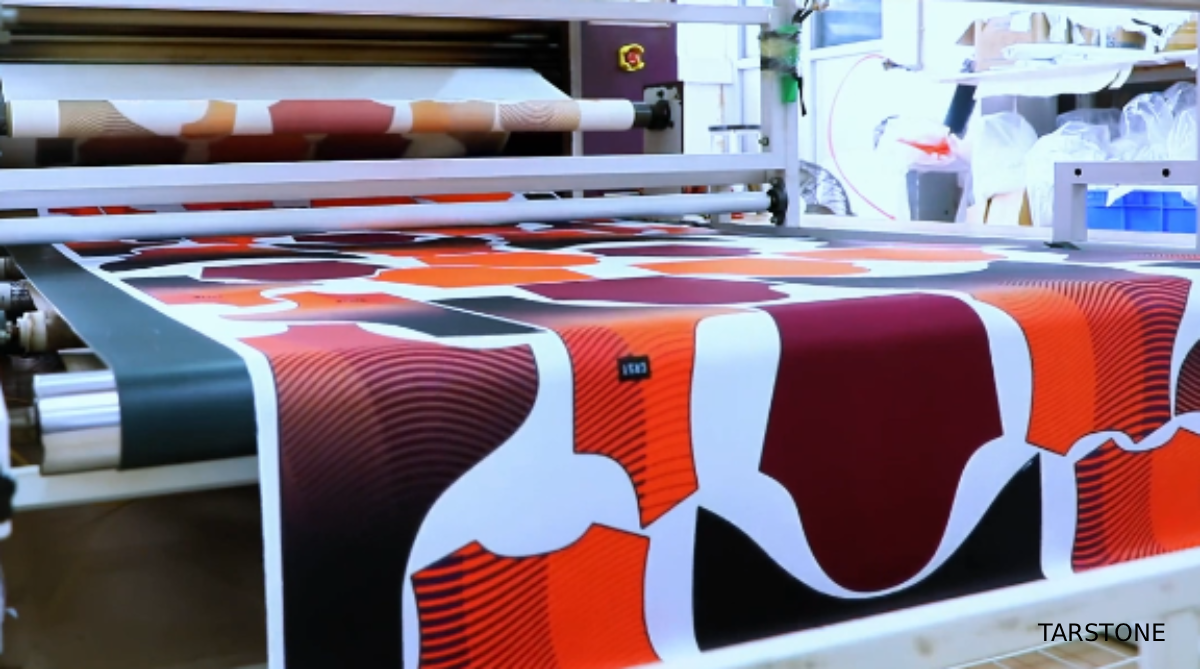
Many custom cycling jersey designs look professional on digital mockups but appear completely different after sublimation printing and garment assembly. In custom cycling apparel production, artwork preparation affects much more than visual appearance. Panel construction, riding posture, fabric stretch and seam positioning all influence how graphics appear on the finished cycling jersey during actual riding conditions.
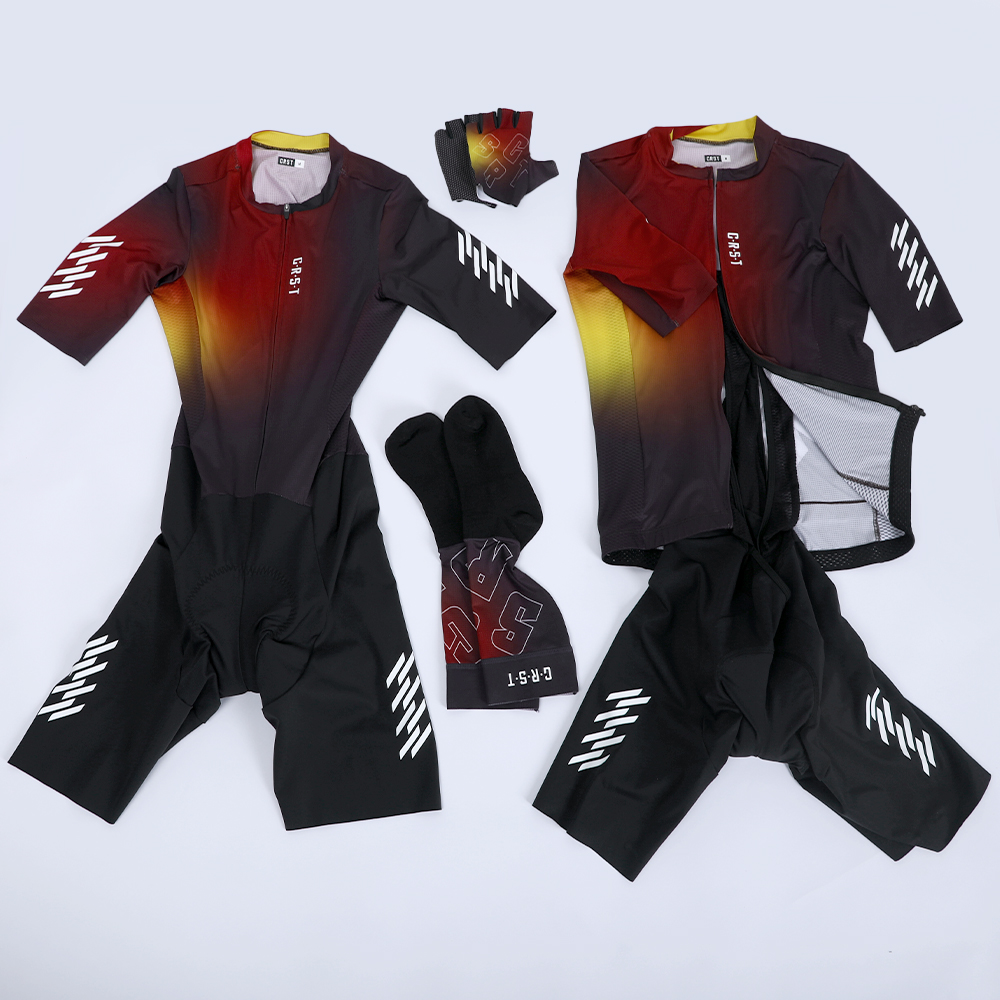
Unlike standard T-shirt printing, cycling jerseys are constructed using multiple curved panels that wrap around the rider's body. Front panels, side sections, sleeves and back pockets are connected together during garment assembly, which means artwork designed on a flat template may not appear balanced after stitching. In race fit cycling jerseys, aerodynamic cuts and compression fabrics can further change how graphics and sponsor logos look once the jersey is worn in riding position.
Logo placement is one of the most important parts of cycling jersey artwork preparation. Sponsor logos positioned too close to seams, zipper lines or pocket edges may become distorted or partially hidden after sublimation printing and sewing. During riding movement, fabric tension the chest, shoulders and lower back can also change how logos appear on the finished garment. Professional cycling apparel manufacturers often adjust artwork positioning during sampling to improve logo visibility and overall design balance.
Artwork continuity between different garment panels also affects the final appearance of custom cycling jerseys. Straight graphic lines, gradients and geometric patterns that cross multiple panels may appear uneven after stitching if seam transitions are not considered during design preparation. This issue becomes more noticeable in full sublimation cycling jerseys with complex graphics covering the entire garment. Careful artwork alignment helps maintain cleaner visual flow across front panels, sleeves and side sections after assembly.
Fabric stretch is another important factor in cycling jersey printing. Lightweight performance fabrics used in professional cycling apparel often stretch differently during riding movement, especially around sleeves, side panels and rear pockets. Thin graphic lines, small text details and highly detailed visual effects may lose clarity after printing and fabric expansion during use. Artwork prepared for cycling jerseys should maintain strong readability even during riding movement and long-distance use.
Visual balance is also important in custom cycling jersey design. Effective cycling apparel is not simply about adding more graphics or bright colors. Professional cycling jersey designs usually focus on maintaining clear brand visibility while working naturally with garment structure and rider position. Balanced layouts help cycling teams, clubs and private label brands create more recognizable apparel with stronger visual consistency across different sizes and product categories.
In professional cycling apparel manufacturing, artwork preparation directly affects sampling efficiency and production consistency. Designs that consider panel construction, fabric movement and seam positioning can help reduce production revisions during sublimation printing and garment assembly. For cycling teams and brands preparing bulk custom cycling apparel orders, well-prepared artwork often leads to more stable production quality and stronger long-term brand presentation.
We support teams and brands in planning MOQ, optimizing order quantity, and ensuring consistent production from design to delivery.
Contact us to discuss your project and get a practical MOQ solution tailored to your needs.
Email: amytong@tarstone.com
WhatsApp: +86 150 5417 8785
Website: www.tarstone.com
Common Communication Problems Between Brands and Cycling Apparel Factories
What Files Do Cycling Apparel Manufacturers Need for Production