Triathlon Suit vs Cycling Suit: What Brands Must Know Before Bulk Production
For brands, event organizers, and team procurement managers, Triathlon Suits and Cycling Suits may look similar at first glance, but they differ fundamentally in functional design, fabric selection, fit, and production processes.
Understanding these differences is critical to ensure successful bulk production, control costs, and maintain brand competitiveness. Triathlon Suits are designed for continuous swimming, cycling, and running, while Cycling Suits are optimized primarily for long-distance cycling - using the wrong design can lead to poor performance, chafing, and increased post-sale issues.
This guide outlines the core differences between Triathlon and Cycling Suits, and key considerations for brands before bulk production to minimize risks and maximize product quality.
1. Key Functional and Design Differences

Cycling Suit - Optimized for Aerodynamics

Triathlon Suit - Multi-Sport Performance
Triathlon Suits: Multi-Sport Compatibility
Triathlon Suits are engineered for three consecutive sports, requiring comfort, support, and fast-drying performance across all scenarios:
- Fit accommodates shoulder extension (swimming), back/shoulder clearance (cycling), and full running mobility
- Fabrics are fast-drying, moisture-wicking, breathable, and UV-resistant
- Mesh panels on the chest/back accelerate sweat evaporation
- Smooth elastic fabrics on shoulders/sleeves reduce water/wind resistance
- Anti-slip inner thigh fabrics prevent friction
- Thin, dense chamois padding (gender-specific) balances cycling support and running comfort
Cycling Suits: Specialized for Cycling Only
Cycling Suits focus exclusively on long-distance cycling performance:
- Fit optimized for aerodynamic posture and prolonged seated comfort
- High-elastic, durable fabrics (no priority on fast-drying)
- Thicker padding for long-distance cycling (causes chafing during running)
- Simpler zipper/printing requirements (no multi-activity adaptation)
2. Critical Considerations for Bulk Production
1 Fit and Ergonomic Design
The pattern must account for swimming strokes, cycling posture, and running motion. Any deviation can restrict movement or cause friction, negatively affecting athlete experience and increasing the risk of costly rework. Professional manufacturers will optimize patterns for multi-sport movement and provide size grading for different body types.
2 Fabric Selection and Performance
Fabrics must be fast-drying, moisture-wicking, breathable, and UV-resistant. High-end designs often feature paneling with mesh on the chest/back, smooth high-elastic fabrics on shoulders and sleeves, and anti-slip fabric on inner thighs. Fabric choice directly affects comfort, weight, and drying speed - low-quality fabrics lead to poor performance and increased returns.
3 Chamois Padding and Gender Considerations
Triathlon padding is thin but dense, balancing cycling support with running comfort. Gender-specific designs are critical; improper padding can cause discomfort during extended use and impact athlete performance. Professional manufacturers provide gender-specific padding to account for pelvic differences.
4 Printing and Production Process
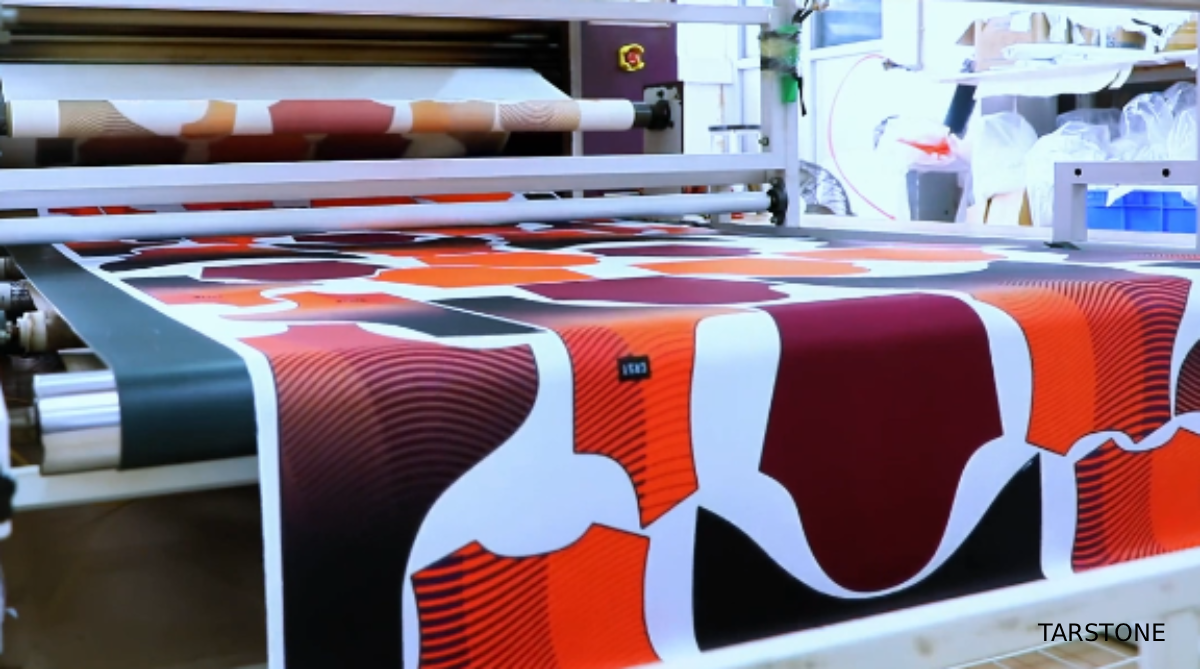
Triathlon Suits often require sublimation printing to ensure vibrant, durable graphics without affecting fabric elasticity or breathability. Logos, gradients, and reflective elements must be confirmed before production to prevent color mismatches, peeling, or blurred designs. Proper production control ensures high yield during bulk manufacturing.
5 Minimum Order Quantity and Lead Time Planning
Triathlon Suits generally have higher minimum orders than Cycling Suits due to fabric waste, printing setup costs, and sample production. Brands should plan production at least 3–4 months in advance, especially during peak event seasons, to avoid missed opportunities or increased logistics costs.
3. Value of Working with a Professional OEM/ODM Manufacturer

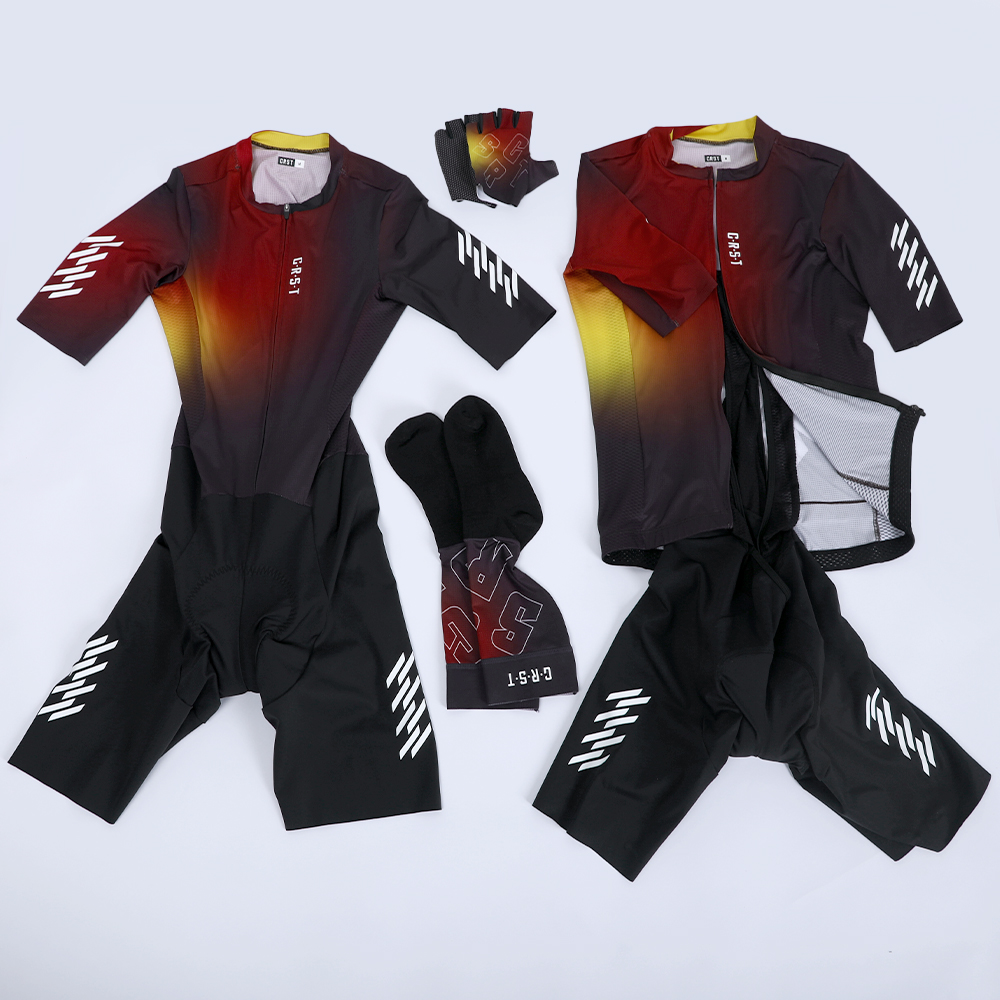
Triathlon Suit technical details - fabric panels, padding, and anti-slip features
Partnering with an experienced Triathlon suit OEM/ODM manufacturer allows brands to:
- Complete sample development and pattern optimization
- Evaluate and recommend fabric performance based on usage scenarios
- Manage sublimation printing and reflective element production
- Ensure on-time delivery even during peak seasons
- Provide quality control throughout production to minimize defects
Professional collaboration reduces production risk, minimizes rework, and ensures Triathlon Suits deliver comfort, durability, and market competitiveness across multiple activities.
4. Ensuring Successful Custom Triathlon Suit Production
- Identify target customers and event levels: sprint, half, or full-distance Ironman events have different requirements
- Decide product tier: race-grade (lightweight, fast-drying, aerodynamic) or training-grade (durable, cost-effective)
- Confirm samples first: verify fabric, fit, and process before bulk production to ensure high precision
- Choose experienced OEMs: select manufacturers who support small trial orders to control risk and cost
5. Conclusion: Partner with Experts for Success
Triathlon Suits and Cycling Suits differ fundamentally in function, fit, fabric, and production processes. Brands must understand these differences before bulk production and choose professional OEM/ODM partners.
Through proper planning, fabric and pattern optimization, and process control, brands can ensure Triathlon Suits are comfortable, durable, and competitive, minimizing production risks while maximizing athlete satisfaction and brand value.
How to Choose a Custom Triathlon Apparel Manufacturer for Your Brand
OEM vs ODM Cycling Apparel: What's the Difference?