Best Fabrics for Cycling Jerseys: Breathability, Comfort and Performance
Cycling jerseys are specifically designed to meet the physical demands of long-distance riding, high-intensity training, and competitive cycling. Unlike regular sportswear, professional cycling apparel relies heavily on performance fabrics that can manage sweat, regulate temperature, and provide a close aerodynamic fit. The fabric used in a cycling jersey plays a critical role in determining how comfortable and efficient the rider feels during different riding conditions.
Modern cycling jersey fabrics are engineered to balance breathability, moisture management, stretch, and durability. Riders often spend hours on the road, which means their clothing must continuously regulate body temperature while maintaining comfort and performance. Because of this, cycling apparel manufacturers carefully select materials that can perform well in both hot summer rides and long endurance training sessions.

Understanding the different fabrics used in cycling jerseys helps cycling brands, teams, and retailers make informed decisions when selecting materials for performance apparel.
What makes a good cycling jersey fabric
A high-quality cycling jersey fabric must deliver several essential performance characteristics. These features ensure the rider stays comfortable while maintaining efficient movement and airflow during cycling.
Breathability
Breathability is one of the most important factors when selecting cycling jersey materials. During cycling, the body generates heat and sweat, especially during climbs or high-intensity training. Breathable fabrics allow air to circulate through the garment, helping regulate body temperature and prevent overheating.

Fabrics designed for cycling jerseys often use lightweight knitted structures that promote airflow while maintaining structural durability. This ventilation allows excess heat to escape and helps riders remain comfortable even in warm weather conditions.
Moisture-wicking performance
Cycling jerseys are typically made from moisture-wicking fabrics that pull sweat away from the skin and move it to the outer surface of the fabric. Once the moisture reaches the outer layer, it evaporates more quickly.

Effective moisture management prevents sweat from accumulating on the skin, which can otherwise lead to discomfort and chafing during long rides. Riders participating in endurance cycling or road racing benefit greatly from fabrics that keep the body dry.
Lightweight construction
Professional cycling apparel is designed to be lightweight. Heavy fabrics can restrict movement and increase fatigue during long rides. High-performance cycling jersey fabrics are engineered to reduce weight while maintaining durability and structure.
Lightweight fabrics also contribute to better ventilation and improved comfort, particularly in warm climates where temperature management is essential.
Stretch and Flexibility
Cycling jerseys are designed to fit closely to the rider's body in order to reduce wind resistance. To achieve this fit, many cycling fabrics include stretch fibers that allow the material to adapt to body movement without restricting mobility.

Stretch fabrics allow riders to maintain an aerodynamic riding position while ensuring comfort during pedaling, cornering, and climbing.
Durability
Cycling jerseys must withstand frequent washing and extended outdoor exposure. High-quality fabrics maintain their color, shape, and performance properties even after repeated use. Durability is especially important for team apparel and training gear that experiences regular wear.
Most common fabrics used in cycling jerseys
Modern cycling jerseys are produced using several specialized fabric types. Each material offers different benefits depending on the intended riding conditions and performance requirements.
Polyester performance fabric
Polyester is the most widely used material in cycling jersey production. Performance polyester fabrics provide an excellent balance of breathability, moisture control, and durability.

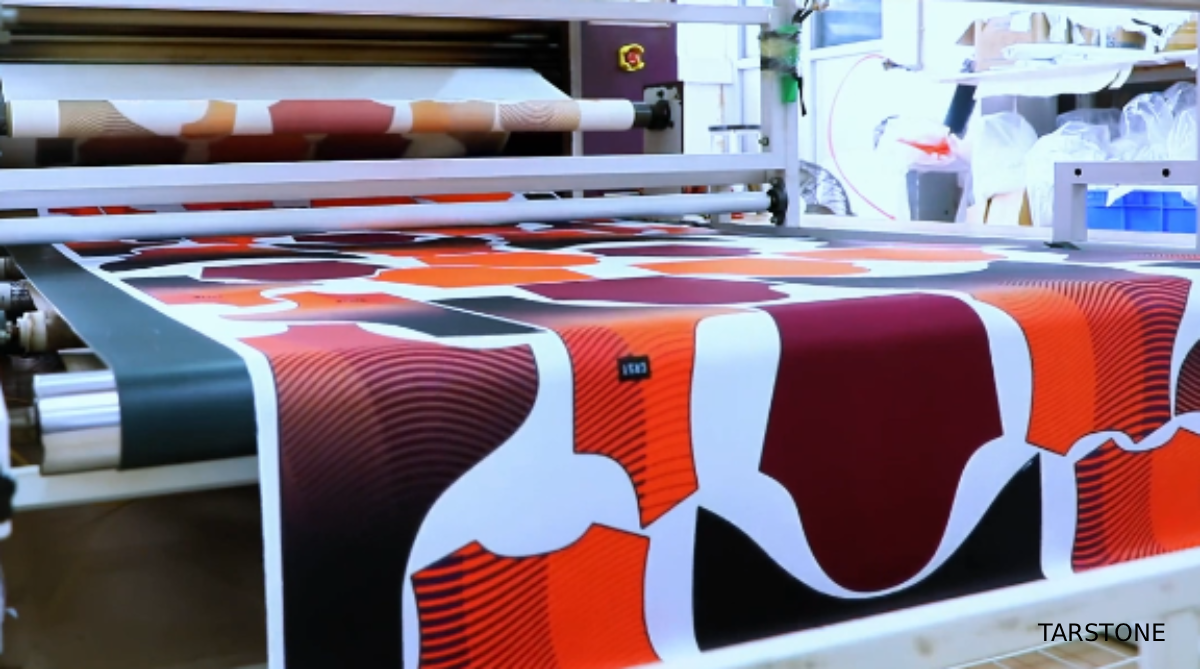
One major advantage of polyester fabrics is their compatibility with sublimation printing. Sublimation allows manufacturers to create vibrant, long-lasting graphics that do not affect the breathability of the garment. Because of this, polyester fabrics are commonly used in custom cycling jerseys for teams and brands.
Polyester fabrics are also lightweight and quick drying, making them ideal for riders who train in hot or humid conditions. The structure of the fibers allows moisture to evaporate efficiently, helping maintain comfort during long rides.
Mesh ventilation fabrics
Mesh fabrics are frequently integrated into cycling jerseys and ventilation panels. These panels are typically placed along the sides, under the arms, or across the back to increase airflow.
The open-knit structure of mesh fabric improves ventilation and helps release body heat more effectively. This type of fabric is especially useful for summer cycling jerseys where maximum airflow is needed.
By combining mesh panels with performance polyester fabrics, cycling apparel designers can create garments that maintain both structure and ventilation.
Lycra or elastane blended fabrics
Many high-performance cycling jerseys incorporate small amounts of elastane or Lycra to improve stretch and fit. These stretch fibers allow the fabric to contour closely to the rider's body while maintaining flexibility.
Stretch fabrics help reduce aerodynamic drag by keeping the jersey smooth against the skin. This close fit also prevents excess fabric movement during high-speed riding.
Lycra blends are commonly used in racing jerseys and aerodynamic cycling apparel designed for competitive performance.
How fabric choice affects cycling performance
The selection of cycling jersey fabric directly impacts how the garment performs during real riding conditions. Different fabrics influence airflow, moisture control, and comfort during extended periods of cycling.

Breathable materials help regulate body temperature by allowing heat to escape. This becomes especially important during summer rides or intense training sessions where overheating can reduce performance.
Moisture-wicking fabrics keep sweat from building up on the skin. This helps prevent discomfort and reduces the likelihood of irritation during long rides.
Stretch performance fabrics support an aerodynamic fit. A close-fitting jersey reduces wind resistance and improves overall riding efficiency. This is one reason why professional cycling apparel often features body-contouring designs made from stretch fabrics.
The right fabric combination can also improve long-distance comfort. Cyclists who spend several hours on the road benefit from materials that remain lightweight, flexible, and breathable throughout the ride.
Cycling teams and apparel brands often evaluate several factors when selecting fabrics for custom cycling jerseys.
Riding conditions play a major role in fabric selection. Jerseys designed for hot climates typically prioritize lightweight breathable materials and ventilation panels. For cooler environments, fabrics with slightly thicker structures may be chosen to provide additional insulation.
Seasonality also influences fabric decisions. Summer jerseys focus on airflow and moisture management, while transitional season jerseys may include fabrics that offer slightly more coverage.
Brands' design requirements are another consideration. Certain fabrics work better with sublimation printing, allowing detailed graphics and sponsor logos to be applied without affecting garment performance.
Durability is equally important for teams that train regularly. Fabrics must maintain their structure and color through repeated washing and extended use.
For this reason, professional cycling apparel manufacturers often provide multiple fabric options to match different riding needs and performance goals.
Conclusion
Cycling jersey performance depends heavily on the materials used in its construction. High-quality fabrics improve breathability, regulate body temperature, manage sweat, and provide the stretch needed for a close aerodynamic fit.
Polyester performance fabrics remain the most common choice due to their excellent moisture-wicking properties and compatibility with sublimation printing. Mesh ventilation panels enhance airflow, while elastane blends improve flexibility and fit. In addition, sustainable recycled fabrics are becoming increasingly popular within modern cycling apparel collections.
By understanding how different cycling jersey fabrics perform, brands and cycling teams can make better decisions when selecting materials for their apparel. Choosing the right fabric helps ensure that cycling jerseys deliver the comfort, durability, and performance riders expect on the road.
Hi Visibility Cycling Jersey - Professional Choice for Safety and Comfort
Why Triathlon Suits Are Different From Regular Sportswear?